Efleets represent the next frontier in sustainable transportation, focusing on electric vehicle fleets that promise reduced emissions and operating costs. As global awareness of environmental issues increases, businesses and municipalities are turning to efleets as a viable solution for eco-friendly and cost-effective transport options. This article delves into the advantages, challenges, and future outlook of adopting efleets.
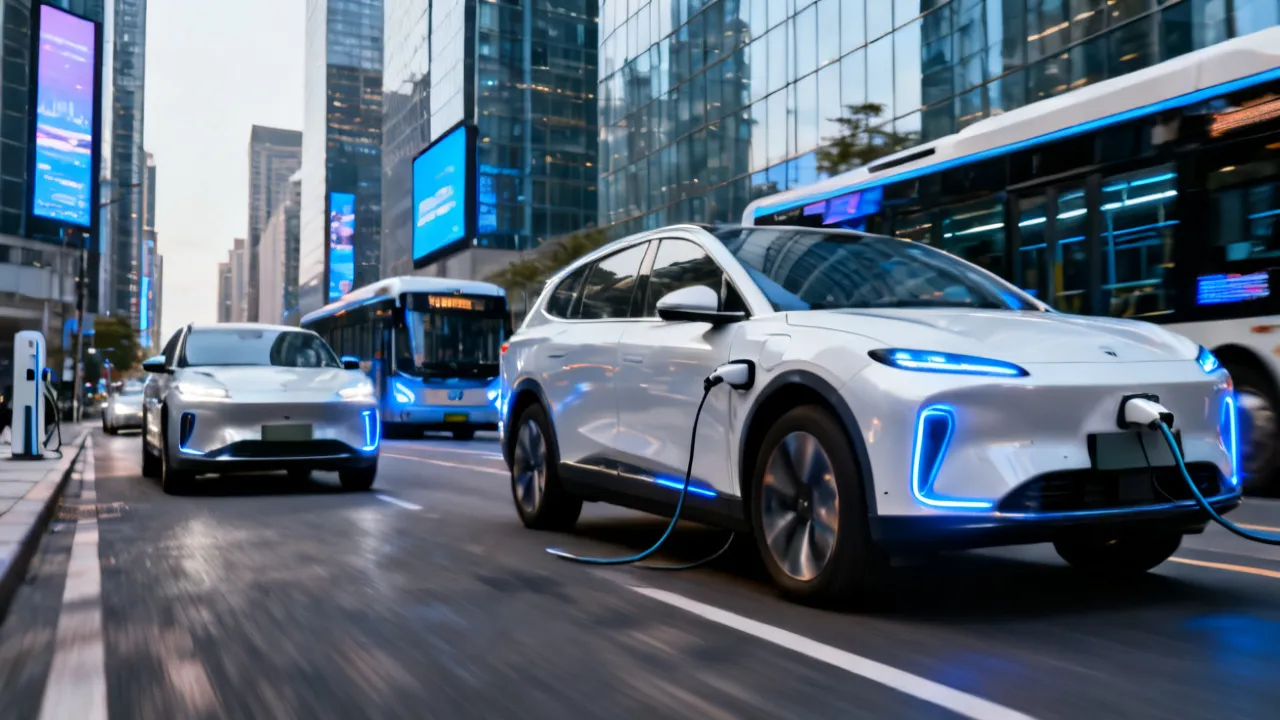
With the mounting pressures of climate change and the undeniable shift towards more sustainable practices, efleets - electric vehicle fleets - have emerged as a pivotal player in the transportation sector. Efleets offer an eco-friendly alternative to traditional fuel-based fleets, drastically cutting carbon emissions and yielding substantial cost savings over time. Companies and governments are increasingly investing in electric vehicles (EVs) to redefine mobility solutions, enhance sustainability, and meet stringent environmental regulations.
The concept of electric vehicle fleets is not just a passing trend; it represents a fundamental shift in how we perceive and utilize transportation. As urban populations grow, cities find themselves grappling with traffic congestion, noise pollution, and ever-worsening air quality. Traditional internal combustion engine vehicles are at the heart of these problems. Efleets, on the other hand, hold the promise of significantly alleviating these issues while creating a more sustainable future.
The necessity for efleets arises from the urgent need to reduce greenhouse gas emissions, which contribute heavily to global warming. Traditional gasoline and diesel engines are among the top sources of these emissions. In fact, the transportation sector is responsible for a significant portion of carbon dioxide emissions worldwide. By replacing these with electric engines, which emit no tailpipe pollutants, efleets present a significant opportunity to improve air quality. This transition is especially pertinent in urban environments, where congested roadways and high vehicle traffic amplify pollution levels. Furthermore, the transition to efleets aligns with global sustainability goals, supporting efforts to curtail fossil fuel dependency and promoting energy security.
In addition to environmental benefits, efleets can promote healthier communities. Studies have shown that reduced vehicle emissions correlate with lower instances of respiratory diseases and other health issues linked to poor air quality. As districts and municipalities strive to create healthier environments for their residents, the implementation of efleets presents a lucrative solution for improving public health.
Despite their benefits, the adoption of efleets is not without its obstacles. One of the primary challenges is the initial cost barrier. Electric vehicles typically require a higher upfront investment compared to traditional vehicles. However, the total cost of ownership over time often compensates for this initial expense, especially when factoring in the lower maintenance costs and fuel savings. Businesses must conduct thorough financial analyses to understand the long-term savings efleets can provide.
Infrastructure remains another hurdle. The deployment of widespread charging networks is crucial for the practical use of efleets. Without a robust infrastructure, potential users may find it challenging to integrate efleets into their operations. Moreover, the current limitations on the range of electric vehicles pose concerns about their viability for long-haul applications. Addressing these infrastructure needs is paramount; cities will need to collaborate with private sector stakeholders to develop comprehensive charging networks that enhance accessibility and convenience. The challenge extends to ensuring that these charging stations are powered by renewable energy, closing the sustainability loop.
In addition to infrastructure, the current battery technology poses limitations. Despite significant advancements in recent years, battery production still has challenges related to sourcing materials sustainably and the environmental impact of mining and production processes. Researchers are exploring alternatives to lithium-ion batteries, such as solid-state and sodium-ion batteries, which promise increased efficiency and reduced environmental impact.
| Attribute | Traditional Fleets | Efleets |
|---|---|---|
| Fuel Cost | Fluctuating, often high | Lower and stable electricity costs |
| Emissions | High carbon footprint | Significantly reduced |
| Maintenance | Higher, frequent maintenance required | Lower, fewer parts to service |
| Vehicle Range | Long established distances | Improving but still limited for long-haul |
| Initial Purchase Price | Generally lower | Higher, but offset over time |
| Operational Flexibility | High, supports diverse applications | Increasing but can be limited by infrastructure |
Despite the current challenges, the outlook for efleets is promising. Technological advancements are rapidly improving battery efficiency and reducing costs, promising longer ranges and shorter charging times. Investment in infrastructure is also on the rise, with more charging stations being installed worldwide. As efleets become more financially viable and technology advances, their adoption is expected to accelerate, marking a transformative shift in the transport industry.
Research and development focusing on battery technology are crucial in shaping the future of efleets. Innovations such as ultra-fast charging and increased energy density in batteries can help address the range anxiety that potential users face. This will lead to not only improved user experience but also allow efleets to expand into sectors currently dominated by conventional vehicles, such as freight and logistics.
Moreover, the advent of smart technology for electric vehicles, including autonomous driving capabilities, can also enhance the operational efficiency of efleets. Fleet operators can utilize data analytics to optimize routes, improve energy consumption, and minimize downtime, leading to enhanced productivity across the board.
As municipal policies evolve and prioritize sustainable transportation, we will likely see increased collaboration between governments and corporations to develop more robust support mechanisms for efleets. This may include coordinated efforts in optimizing charging infrastructure in urban centers, zoning policies that promote electric vehicle use, and investments in greener energy production methodologies.
Internationally, as countries commit to net-zero emissions targets, the global market for efleets stands to expand significantly. The Asia-Pacific region, in particular, is anticipated to see substantial growth in electric vehicle adoption, driven by governmental policies and a burgeoning market for electric fleets. Companies across various sectors, including delivery and logistics, are poised to lead this transition, given the economic and environmental incentives aligning in their favor.
Efleets are fleets of electric vehicles designed to reduce emissions and operational costs by replacing traditional fuel-powered vehicles. They encompass diverse applications ranging from urban transport solutions to commercial logistics.
Efleets play a key role in reducing greenhouse gas emissions and promoting sustainable mobility, aligning with global environmental goals. They also offer economic advantages to fleet operators and improve air quality in urban areas.
The main challenges include high upfront costs, limited charging infrastructure, and concerns about vehicle range for long-distance travel. Ongoing advancements in technology and supportive government policies may alleviate some of these concerns in the future.
Yes, many governments offer incentives such as tax credits, subsidies, and rebates to encourage the adoption of electric vehicles. These policies are crucial for making efleets more economically viable and attractive to businesses.
The transition to efleets is likely to create new job opportunities in various sectors, such as electric vehicle manufacturing, charging infrastructure development, and maintenance services. It also may necessitate retraining programs for workers in traditional automotive sectors.
Vehicle Availability Guide for Car Buyers

Vehicle Availability Guide for Finding Cars on Sale

Understanding Vehicle Availability for Smarter Rentals

How to Evaluate Vehicle Availability Effectively

Understanding Vehicle Availability for Smarter Rentals

Understanding Vehicle Availability for Car Sales

Vehicle Availability Guide for Smarter Sourcing Decisions

Understanding Vehicle Availability for Smart Buying Decisions

Understanding Vehicle Availability for Smarter Rental Decisions

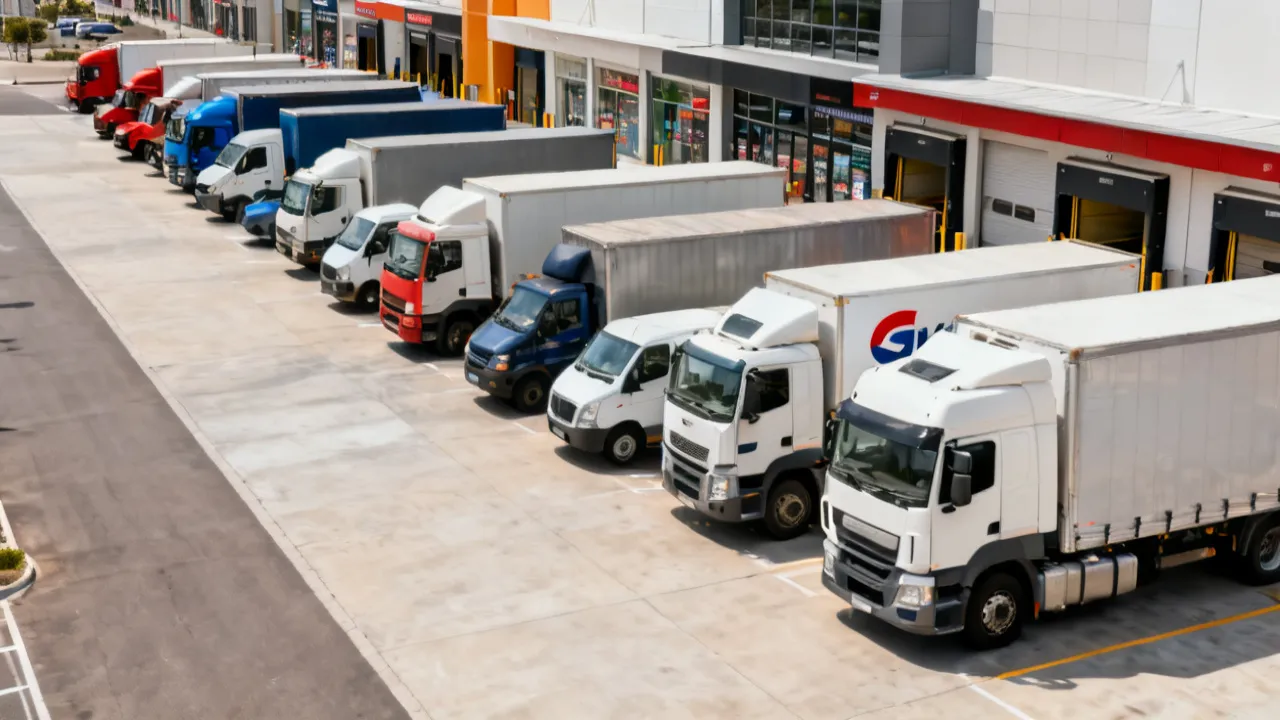
Unveiling Truck Fleets Near Me
Truck fleets near you are integral for logistics, providing critical services for transporting goods in a timely and efficient manner. They encompass a diverse range of vehicles, tailored to meet various business needs, and play a pivotal role in local and regional trade. Exploration of these fleets offers insights into efficiency, innovation, and professional practices within the trucking industry.

Managing Efficient Truck Fleets Nearby
Finding reliable truck fleets nearby is essential for industries reliant on transportation and logistics. Truck fleets play a crucial role in supply chain efficiency, maintaining delivery schedules and reducing costs. This article explores key considerations in selecting truck fleets, their economic impact, and how businesses can optimize their logistics using nearby services.

Understanding Truck Fleets Nearby
Exploring truck fleets near you offers insight into a complex logistics network vital for modern commerce. Truck fleets play a pivotal role in effectively transporting goods locally and globally, showcasing their indispensable presence in trade. Essential considerations include fleet management systems, regional challenges, and technological advancements reshaping this sector, prioritized to augment efficiency and sustainability in logistics.
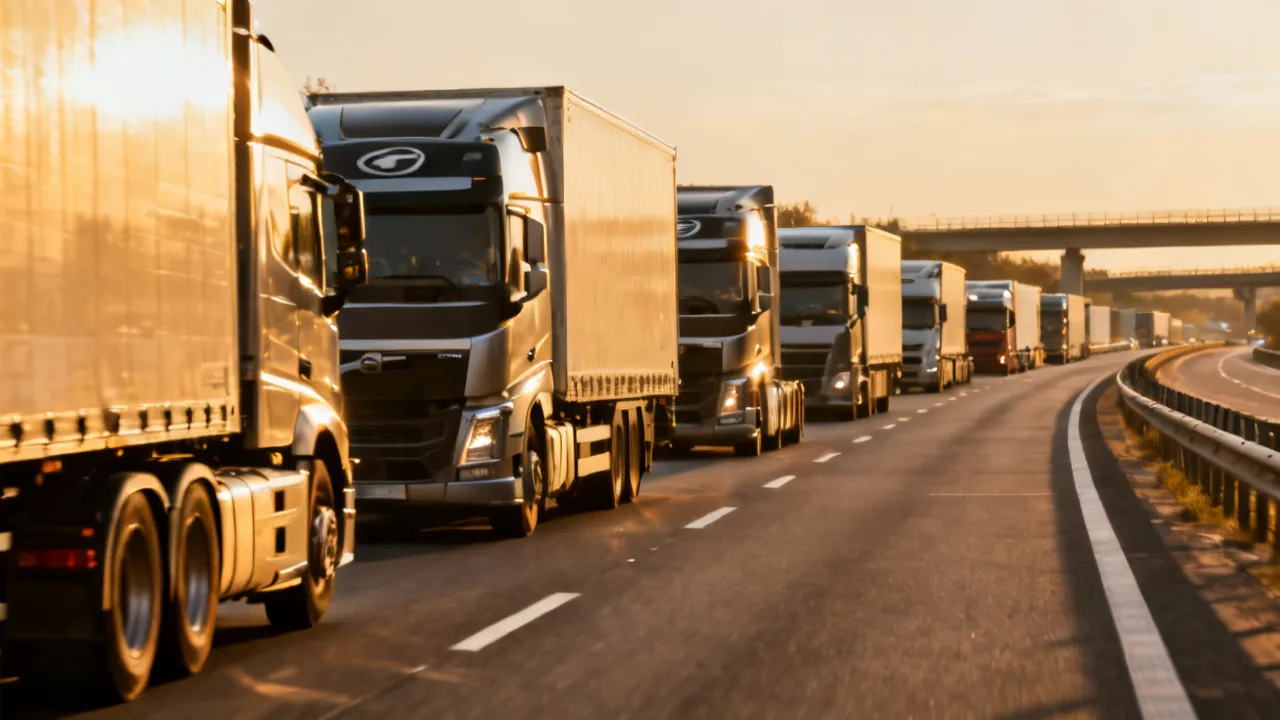
Understanding Truck Fleets Nearby
Truck fleets near you consist of a variety of transportation vehicles managed by companies to ensure efficient logistics and supply chain operations. These fleets vary widely in size and capacity, from small local businesses to large multi-national logistics networks. The logistics industry heavily relies on these fleets for transporting goods efficiently across different regions, underlining their critical role in both urban and rural economies.
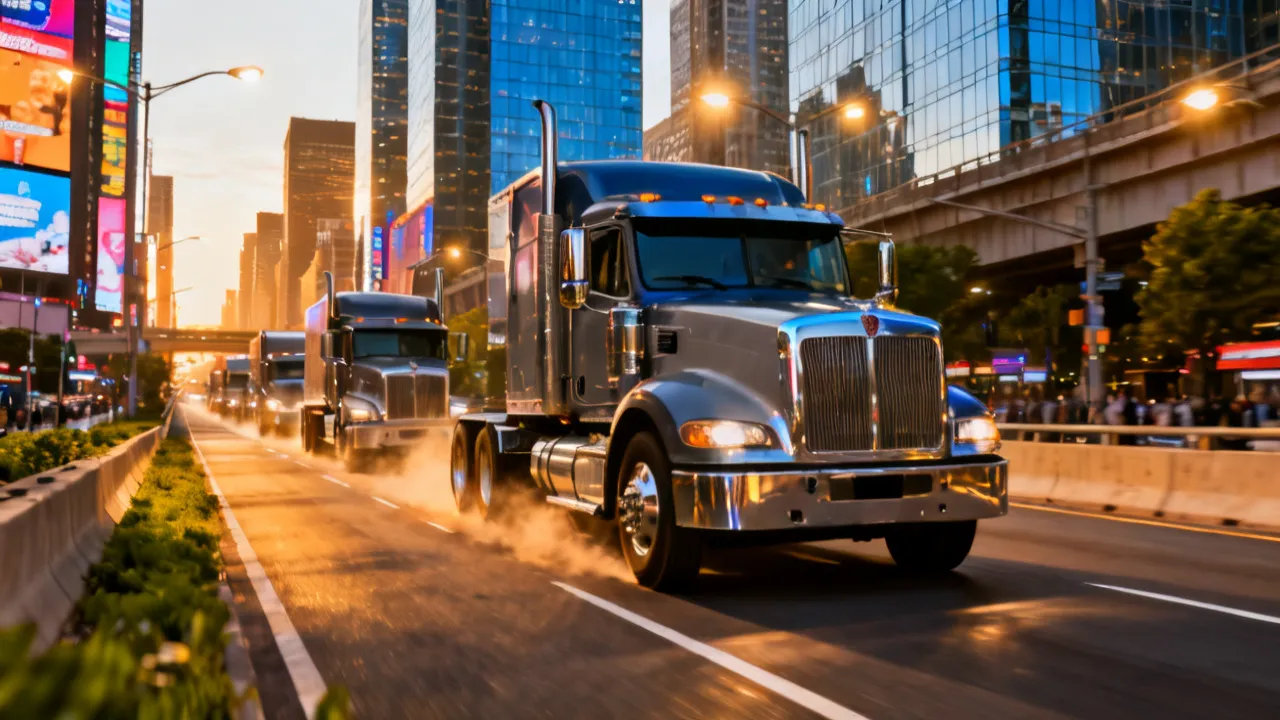
Navigating Truck Fleets Nearby
Discover the dynamics of truck fleets near you. Truck fleets play a crucial role in logistics, transportation, and the broader supply chain, moving goods efficiently and supporting regional economies. This article delves into the characteristics and benefits of local truck fleets, providing insights into their operations and contributions to the industry.
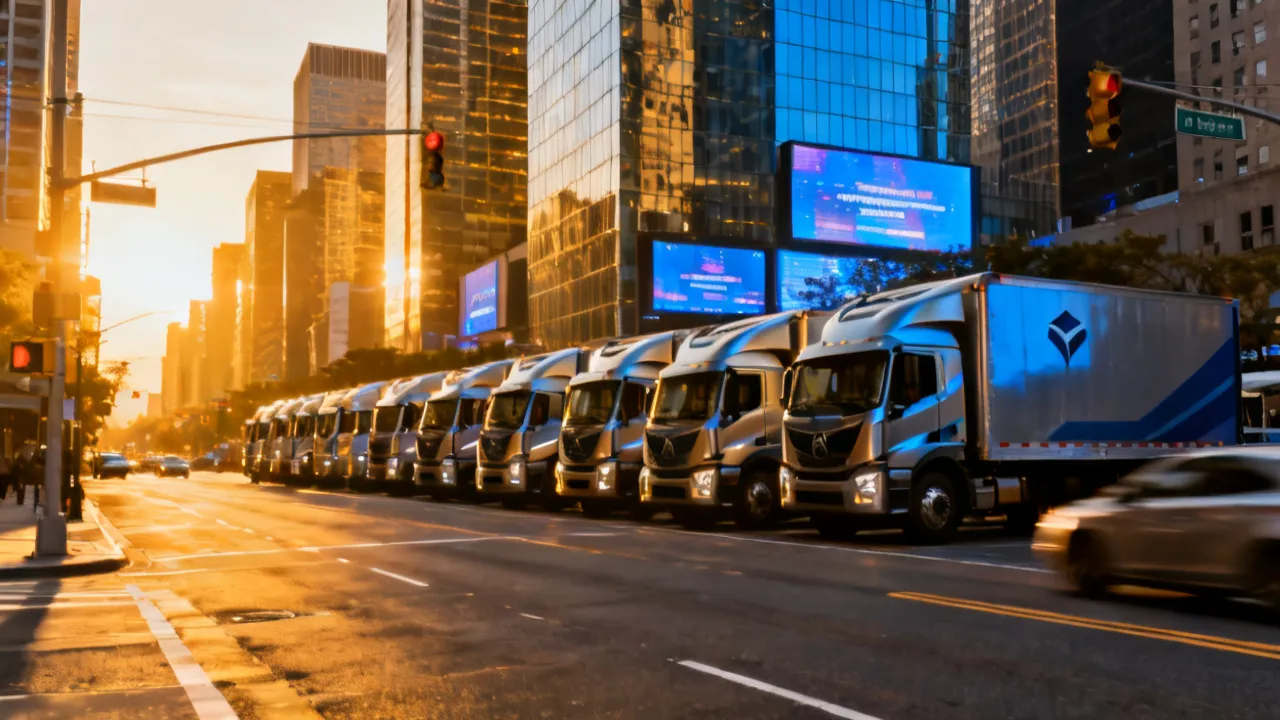
Navigating Truck Fleets Nearby
Discover the strategies and considerations when managing truck fleets nearby, crucial for businesses reliant on logistics and transportation. Truck fleets, essential in various industries, significantly impact operational efficiency and cost-effectiveness. This guide explores fleet management, local service offerings, and optimization tips, helping businesses maximize their transportation capabilities while staying competitive in their regions.