Finding reliable truck fleets nearby is crucial for businesses requiring efficient logistics support. Truck fleets are essential for transporting goods across regions, highlighted by their capacity, flexibility, and cost-effectiveness compared to other transportation modes. This article provides insights into selecting the optimal fleet services, factors to consider, and industry trends to ensure seamless operations and scalability.
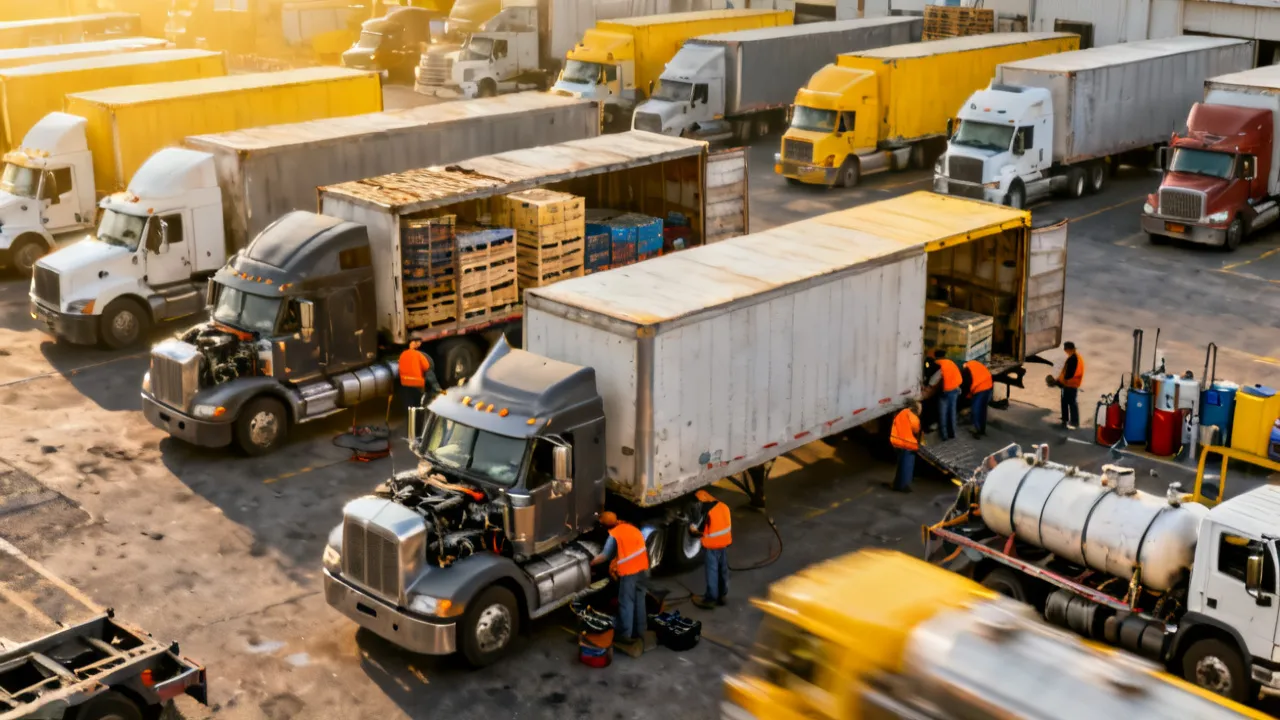
In the realm of logistics and transportation, truck fleets play a critical role. They offer businesses the capability to move goods efficiently and effectively, accommodating a wide range of cargo sizes and transportation distances. The keyword "truck fleets near me" suggests an increasing demand for localized fleet services, driven by businesses aiming to optimize their supply chains and reduce delivery times. The logistics landscape has evolved significantly, emphasizing the need for efficient transportation methods that can respond to consumer demands quickly. Rapid technological advancements and a greater push for sustainability are pushing logistics companies and businesses to reevaluate their transportation strategies.
Choosing truck fleets nearby presents numerous advantages. Localization means reduced travel time, leading to lower fuel costs and faster delivery times. Local fleets often have a better understanding of regional routes and regulations, which can enhance operational efficiency and reduce probabilities of delays due to logistical challenges. Furthermore, local fleets can provide more personalized service. They often have established networks within the community and a better grasp of local traffic patterns, weather conditions, and specific regional needs, all of which contribute to effective and timely delivery.
Moreover, partnering with local truck fleets can enhance a company's reputation among community members. Local businesses often prefer to support each other, fostering a sense of accountability and partnership that might not be present with larger, national carriers. This community-focused approach can translate into better service quality, as local fleets are often motivated to uphold a positive reputation within their geographical area. Additionally, working with local fleets can also lead to simplified communication, as there are fewer time zones and regional variances to manage, ultimately resulting in a smoother transportation process.
When searching for the top truck fleet services nearby, consider the following factors:
The truck fleet industry is undergoing several transformations, influenced by technological advancements and changing economic landscapes. Industry reports highlight trends such as the growth in electric fleet adoption, the utilization of AI in route optimization, and an increasing focus on sustainability and carbon-neutral operations. These trends are shaping how businesses select and manage their transportation logistics. Fleet operators are now integrating advanced technologies such as machine learning algorithms to analyze traffic patterns and optimize routes, thus reducing travel times and operational costs.
Additionally, the rise of e-commerce has fundamentally changed consumer expectations around shipping. Businesses are now pressed to provide faster delivery services. The trend for 'same-day delivery' or 'next-day delivery' is reshaping logistics and requiring truck fleets to adapt to rapid changes in order volume. Consumers expect transparency in the shipping process, prompting fleets to adopt advanced communication tools that allow clients to track their shipments in real-time.
Furthermore, regulatory changes aimed at reducing carbon emissions are steering companies toward greener practices. The introduction of stricter emission standards is prompting logistics providers to not only evaluate their vehicle fleets but also to consider more sustainable transportation methods, such as bike couriers or electric vehicles for short-distance deliveries. As companies increasingly aim to present themselves as socially responsible, the integration of sustainable practices becomes crucial in maintaining their market competitiveness.
Effective truck fleet operations depend on several critical conditions:
| Factor | Considerations |
|---|---|
| Fleet Size | Diverse truck options to match varying cargo requirements, including weight capacity and type of goods. |
| Service Reputation | Client feedback for reliability and quality assurance; consider awards and recognitions in the industry. |
| Technological Integration | GPS and logistics management for operational efficiency, including automated reporting on delivery status. |
| Environmental Considerations | Utilization of eco-friendly vehicles and practices; explore carbon offset initiatives offered by the fleet. |
Q: How do I choose the top truck fleet service nearby?
A: Consider factors such as fleet size, service reputation, technological integration, and environmental policies. Engaging with service providers to understand their offerings can also be beneficial. Additionally, industry affiliations and certifications can offer insights into a fleet's credibility and operational standards.
Q: What are the primary benefits of using local truck fleets?
A: Local fleets offer reduced delivery times, lower costs, and better understanding of regional regulations and routes. They often provide personalized service, which can enhance operational flexibility and responsiveness. Moreover, fostering local partnerships can create a sense of community and shared success, reinforcing business relationships.
Q: How is technology transforming truck fleet operations?
A: Technology enables better tracking and route optimization through GPS systems, alongside enhanced fleet management capabilities that improve efficiency and reliability. Innovations such as predictive analytics are also becoming common, allowing fleets to anticipate operational challenges and adapt accordingly. The shift to automated systems and digital platforms aids in streamlining processes, reducing overhead costs, and improving service delivery timelines.
By strategically selecting a truck fleet service nearby, businesses can enhance their logistical efficiency, ensuring timely delivery and customer satisfaction while adapting to emerging industry trends. The commitment to continuous improvement, driven by both technology and customer feedback, will set successful fleet operators apart in a competitive supplier landscape. Embracing partnerships that prioritize flexibility, innovation, and sustainability will be key for organizations looking to thrive in the evolving world of logistics.
The future of truck fleet management is poised for significant evolution, strongly influenced by ongoing advancements in technology, changing consumer behaviors, and broader societal shifts towards sustainability. Innovations such as autonomous vehicles could fundamentally change how logistics and transportation are managed, promising increased efficiency and potentially lower operational costs. Companies are already beginning to explore automated delivery systems, alongside drone technology for last-mile delivery, which may soon revolutionize traditional concepts of transport logistics.
Moreover, as businesses increasingly focus on enhancing their supply chain resilience, we anticipate a trend toward greater collaboration within the logistics industry. Strategic alliances among companies that share resources, data, and best practices can mitigate risks and enhance adaptability. Utilizing a collaborative approach can help fleets manage fluctuating demand and navigate challenges more effectively.
Furthermore, the emphasis on transparent and ethical supply chains will continue to grow. Businesses are now required to not only deliver products efficiently but also demonstrate their commitment to ethical practices in sourcing and logistics. Consumers are becoming more socially conscious, valuing companies that prioritize ethical standards, sustainability, and corporate responsibility. As a result, truck fleets will need to adopt practices that reflect these values, making it essential for service providers to recognize the impact of their operations on both local and global scales.
In summary, the future of truck fleets in logistics is heading in a direction that embraces innovation, sustainability, collaboration, and ethics. As the industry continues to evolve, companies that prioritize flexibility, customer-focused service, and sustainable practices will be best positioned to thrive, ensuring they meet the ever-changing landscape of consumer expectations and technological advancements in transportation and logistics.
Vehicle Availability Guide for Car Buyers

Vehicle Availability Guide for Finding Cars on Sale

Understanding Vehicle Availability for Smarter Rentals

How to Evaluate Vehicle Availability Effectively

Understanding Vehicle Availability for Smarter Rentals

Understanding Vehicle Availability for Car Sales

Vehicle Availability Guide for Smarter Sourcing Decisions

Understanding Vehicle Availability for Smart Buying Decisions

Understanding Vehicle Availability for Smarter Rental Decisions

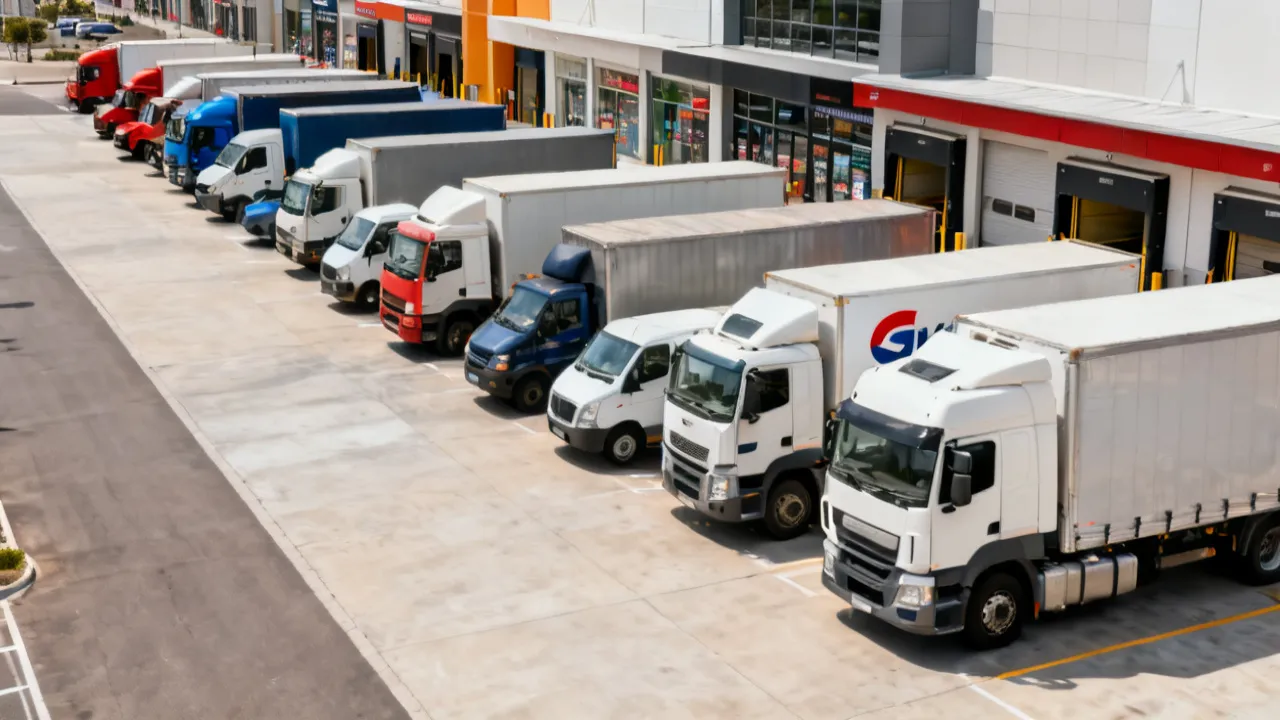
Unveiling Truck Fleets Near Me
Truck fleets near you are integral for logistics, providing critical services for transporting goods in a timely and efficient manner. They encompass a diverse range of vehicles, tailored to meet various business needs, and play a pivotal role in local and regional trade. Exploration of these fleets offers insights into efficiency, innovation, and professional practices within the trucking industry.

Managing Efficient Truck Fleets Nearby
Finding reliable truck fleets nearby is essential for industries reliant on transportation and logistics. Truck fleets play a crucial role in supply chain efficiency, maintaining delivery schedules and reducing costs. This article explores key considerations in selecting truck fleets, their economic impact, and how businesses can optimize their logistics using nearby services.

Understanding Truck Fleets Nearby
Exploring truck fleets near you offers insight into a complex logistics network vital for modern commerce. Truck fleets play a pivotal role in effectively transporting goods locally and globally, showcasing their indispensable presence in trade. Essential considerations include fleet management systems, regional challenges, and technological advancements reshaping this sector, prioritized to augment efficiency and sustainability in logistics.

Understanding Truck Fleets Nearby
Truck fleets near you consist of a variety of transportation vehicles managed by companies to ensure efficient logistics and supply chain operations. These fleets vary widely in size and capacity, from small local businesses to large multi-national logistics networks. The logistics industry heavily relies on these fleets for transporting goods efficiently across different regions, underlining their critical role in both urban and rural economies.

Navigating Truck Fleets Nearby
Discover the dynamics of truck fleets near you. Truck fleets play a crucial role in logistics, transportation, and the broader supply chain, moving goods efficiently and supporting regional economies. This article delves into the characteristics and benefits of local truck fleets, providing insights into their operations and contributions to the industry.

Navigating Truck Fleets Nearby
Discover the strategies and considerations when managing truck fleets nearby, crucial for businesses reliant on logistics and transportation. Truck fleets, essential in various industries, significantly impact operational efficiency and cost-effectiveness. This guide explores fleet management, local service offerings, and optimization tips, helping businesses maximize their transportation capabilities while staying competitive in their regions.