Vehicle Availability is the practical starting point for finding the right car in a market that changes daily. This guide explains how to evaluate inventory, pricing signals, and dealer listings without guesswork, using established official trading websites. You’ll learn how to locate offers, compare options, and decide efficiently—backed by clear conditions and expert buying considerations.
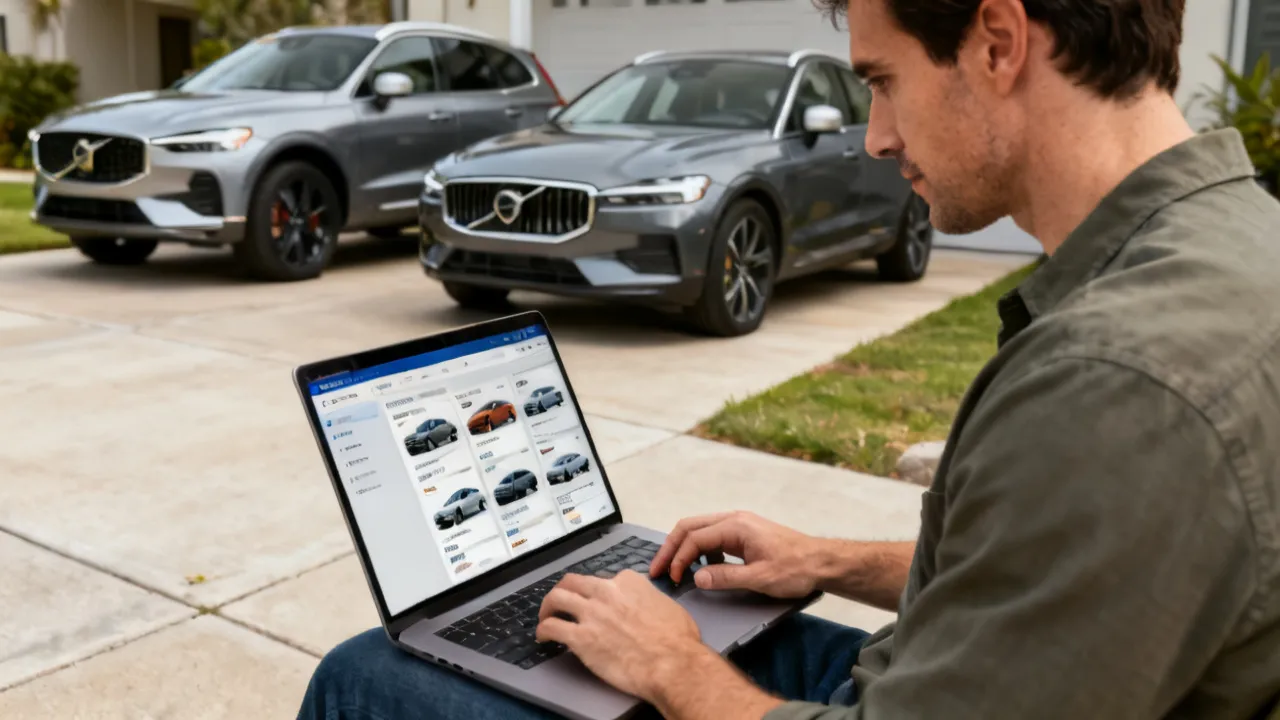
When shoppers talk about “Vehicle Availability,” they’re really referring to something very concrete: whether specific models, trims, and feature combinations are currently in stock, at what price, and under what conditions. If you start your search without checking availability, you risk chasing outdated listings, making travel decisions based on stale inventory, or negotiating from the wrong baseline. In practice, many “great deals” fail not because the advertised price is false, but because the exact unit you saw is no longer purchasable at that price—or because the listed price depends on conditions you haven’t verified.
From an industry perspective, the top results come from using inventory-aware search habits—then narrowing choices to the vehicles that are truly purchasable right now. That means you don’t just look for “cheap car” keywords or “on sale” badges; you validate that the vehicle you’re considering is actively for sale, matches the listing at a VIN level, and can be purchased under the same terms you believe you’re getting. This “availability-first” approach protects your time, your money, and your negotiation leverage.
Vehicle Availability typically reflects three overlapping layers:
For buyers, availability is not just a yes/no state. It’s the difference between “you can buy it” and “you can submit an interest form and wait.” For sellers and dealers, it’s equally critical because misaligned inventory reporting leads to wasted time, re-listing costs, and weaker conversion rates. In other words, Vehicle Availability is where marketing meets reality: the gap between what’s advertised and what can be purchased immediately.
But to shop effectively, you must also understand how “availability” behaves across time. Inventory systems update frequently. A vehicle can move from “available” to “pending” or “sold” within hours. Even if a listing page looks unchanged, the vehicle itself may already be reserved for another buyer, scheduled for pickup, transferred to another location, or temporarily blocked due to reconditioning, title processing, or documentation holds. That’s why availability must be treated as a dynamic variable, not a static label.
People often start their search with a budget number—monthly payment, down payment range, or target purchase price. Yet the biggest trap is assuming that the cheapest listing will also be the cheapest out-the-door transaction for your situation. Vehicle Availability is the gatekeeper to whether that cheap listing can actually become your purchase.
Consider two common scenarios:
In both cases, your “spending confidence” collapses because availability wasn’t verified before you invested effort. The more expensive and time-consuming your next steps become (travel, deposit, trade negotiation, financing pre-approval timing), the more important it is to treat availability as the first verification milestone.
If your goal is to align your search with real Vehicle Availability, begin with reputable online platforms that maintain active inventories and structured listings. Below is a comparison of the official websites referenced for this guide, focusing on how they present inventory and where you can typically confirm stock status.
| Website | What you use it for (inventory-focused) |
|---|---|
| cars.com | Searching large listings and filtering by availability-related criteria such as make, model, price, and location. |
| carmax.com | Viewing ready-to-purchase inventory with transparent dealership presentation and online shopping flow. |
| caronsale.com | Browsing offers presented in an online trading format; you still verify availability and deal conditions with the seller. |
| autotrader.com | Comparing listings across sellers with searchable filters that help you narrow to current stock. |
source: [www.cars.com](https://www.cars.com/) • [www.carmax.com](https://www.carmax.com/cars) • [www.caronsale.com](https://www.caronsale.com/en) • [www.autotrader.com](https://www.autotrader.com/)
(Source of the websites used for information in this guide.)
Even with reputable platforms, you still need a verification step. A listing can be correct when posted, but still change quickly. Think of these websites as “inventory discovery tools,” not as final proof of purchase readiness. The final proof lives in dealer confirmation, VIN matching, and itemized pricing documents.
Finding a car on sale is less about “finding the lowest number” and more about building a shortlist where Vehicle Availability is real and the final out-the-door cost makes sense. Here’s a step-by-step workflow that reflects how experienced buyers reduce risk while moving quickly.
To strengthen this workflow, treat each step like a checkpoint. If Step 2 fails (stale listing), move on. If Step 3 fails (unknown incentives), pause and request clarification. If Step 5 isn’t completed quickly, reduce the listing to “probability” rather than “certainty.” This creates discipline and prevents emotional purchasing decisions driven by deal excitement.
From an expert standpoint, the top “on sale” opportunity is one you can validate. Use this verification checklist to turn a listing into a real purchase option.
To make the checklist more actionable, you can ask verification questions in a specific order. Start with “Is this VIN available right now?” Then ask “What is the final price and what’s included?” Then ask “What conditions change the price?” Once those are answered, you can focus on inspection, warranty, and next-step paperwork.
Even conscientious shoppers can stumble. The very common errors come from assuming that online visibility automatically means immediate purchase readiness. The biggest mistakes are subtle because they don’t always show up in the listing details.
Another hidden misread happens when buyers confuse “approval” with “qualification.” For example, a dealer may advertise a discount that requires a specific credit profile, term length, or down payment amount. The listing may be available, but the discounted price may not be available to you unless you meet the financing conditions. That’s why verification should extend beyond the car itself to the deal structure.
In real-world inventory cycles, “on sale” can mean multiple things:
As an expert guideline, treat “on sale” as a starting point—not a guarantee. Your final confirmation should come from itemized documentation and VIN-level match.
It’s also important to recognize that sellers may use “on sale” phrasing for vehicles that are not necessarily discounted compared to comparable models; they may simply be offering a different structure (for instance, a lower monthly payment but longer term financing). If you only look at the headline, you may misjudge the actual cost. Always request the total price and compare it to alternatives where Vehicle Availability is verified.
Each official trading platform in the references section above typically supports search filters and inventory views. The key is how you use them:
To keep the search disciplined, create a simple comparison template (even in notes). Track: VIN, listed price, incentives shown (if any), distance, listing date, and the dealership’s next step. Then, once you contact each dealer, update the template with verified availability and an itemized quote. This prevents you from mixing “possible” with “confirmed.”
Also consider how platform syndication works. Some listings appear across multiple websites because inventory feeds are shared. That can be useful, but it can also create a duplication problem: you may contact the same dealership multiple times through different platforms. The best practice is to verify the dealership identity, then contact once with the correct VIN and your exact terms.
To identify truly affordable vehicles, consider total cost of ownership factors in addition to the listing price. Industry buyers often apply a “total value lens”:
A vehicle can be “on sale” and still represent poor value if the ownership cost is high. This is why inventory-based savings should be evaluated alongside inspection results.
To apply this lens during shopping, you can do lightweight research before you contact the dealer. For example, compare insurance quotes for your top trim candidates, estimate fuel costs using your average driving pattern, and check common reliability issues associated with the model year. You don’t need to become a mechanic—just ensure your “cheap car” is cheap for reasons that won’t surprise you later.
When Vehicle Availability is time-sensitive, you also need to balance research depth with speed. That means you should research ownership factors quickly for top candidates, then use dealer verification for the exact purchase readiness. If a vehicle fails availability confirmation, you stop. If it passes, you go deeper with inspection and paperwork.
Negotiation becomes more effective when you enter with verification. Here’s an objective approach:
To make negotiation cleaner, avoid bargaining over the wrong number. A dealer may quote a monthly payment influenced by term length, interest rates, and add-ons. Instead, insist on a breakdown that includes: selling price (or adjusted price), itemized taxes and fees, documentation charge, title and registration, and any optional products. When you have that, you can compare against competing offers from similarly verified vehicles.
Another practical tactic is to negotiate after you have confirmed Vehicle Availability and VIN match, but before you have emotionally attached yourself to the deal. If you wait until you’ve “committed” (mentally or with a deposit), you lose leverage. If you negotiate too early without verified availability, you risk arguing about a vehicle that no longer matches your terms. The sweet spot is verification first, negotiation second.
Look for indicators of stock status and recency, and confirm directly with the seller. Availability is not just whether a listing exists—it’s whether the specific vehicle can be purchased under the stated price and terms. The most reliable proof is VIN-based confirmation and an itemized quote.
Use filters, check listing recency, and confirm availability immediately. Request VIN-level confirmation and an itemized quote before committing to travel or deposits. If possible, ask for a same-day response and request a brief written confirmation (email or message screenshot) so you have a record.
Not always. Taxes, fees, documentation charges, and possible add-ons may change the total. Ask for a written out-the-door number so you can compare offers fairly. Also ask which fees are mandatory versus optional and confirm whether any add-ons can be removed.
Distance can be offset by savings, but only after you estimate travel and time costs—and confirm the car is truly purchasable. A slightly higher local price can sometimes be cheaper overall once you include transportation, time away from work, and the risk of wasted trips. If you must travel, consider requesting a purchase hold tied to a verified VIN.
Request service history details (if available), disclosure information regarding title/accident status, and any warranty terms. A pre-purchase inspection report is also a strong risk-reduction step. If the vehicle is certified by a program, ask what certification covers and how long it lasts.
Compare trim level, drivetrain, major options, mileage, and safety equipment. If needed, ask for a VIN breakdown to avoid mismatched equipment. Also compare whether certain features are present (heated seats, adaptive cruise, driver assistance package) because these can affect both price and long-term ownership costs.
Marketplaces can help you discover inventory quickly, but you should treat them as a starting point. For purchase readiness, you must confirm with the dealer/seller directly. When the listing is provided through a lead form or third-party channel, ask who controls the inventory and who provides the final purchase paperwork.
Pick 3–7 candidates that match budget and must-have features. Then verify availability and price conditions for each. Proceed quickly with inspection once the top candidate passes verification. Keep your short list small enough that you can respond fast when inventory changes.
The following condensed sequence reflects how many experienced buyers reduce uncertainty when Vehicle Availability is shifting:
To make this sequence even more reliable, you can add two “risk gates.” First, require written confirmation that the VIN is available at the quoted price and terms. Second, verify what happens if the inspection reveals issues: will the dealer adjust price, offer repairs, or cancel the deal? Risk gates prevent misunderstandings and keep the process aligned with your expectations.
Online vehicle offers are frequently conditional. While the exact requirements vary by seller and vehicle, the following are common conditions that buyers should clarify:
When a deal is conditional, you should request a “what-if” explanation. Ask: “If I don’t finance with you, what happens to the price?” Ask: “If my trade is valued differently, does the discount change?” Ask: “If I remove add-ons, does the discount remain?” These questions clarify whether the “on sale” price is flexible or only available under a specific scenario.
Also watch for ambiguity around documentation charges and optional products. Some sellers present add-ons as required or as pre-installed “packages.” Others may present them as optional at the contract stage, where removal requires negotiation. Either way, the outcome matters: you must know the final out-the-door price based on what you will actually buy.
Beyond the checklist and workflow, you can make Vehicle Availability work for you by tightening your information loop and reducing wasted effort. A disciplined approach often beats a purely opportunistic one.
When you contact a dealer, don’t just ask, “Is it still available?” Be precise. Ask for confirmation using the VIN and the exact stock status. For example, you can ask: “Can you confirm this VIN is in stock and available for sale at the listed price today?” This signals you understand Vehicle Availability as a measurable state—not a vague listing status.
If you’re contacting multiple dealers, identical message structure also makes it easier to compare responses. You want consistent data: same-day stock confirmation, itemized pricing, and clear next steps.
Many buyers lose time by traveling before securing purchase readiness. If you’re driving a distance, ask about a hold policy tied to the VIN. Even if the dealer won’t officially “hold” without a deposit, they may agree to reserve the vehicle for a short window while you complete a same-day inspection.
If there’s a deposit, ask what it covers and whether it is refundable if the inspection or price changes. A good deal is not only about getting the lowest number—it’s about ensuring your time and money are protected through the process.
Online listings often show a base price plus fees. But the real distortion comes when additional dealer-installed products are bundled into the price. Common examples include appearance packages, extended warranties, etching, tire-and-wheel protection, or prepaid service plans. These may be legitimate offers, but they can be overpriced relative to what you could purchase elsewhere.
When you ask for an out-the-door number, insist on itemization. If a dealer refuses to provide itemized details, treat it as a red flag. Transparent pricing is not only customer-friendly—it’s a sign the dealer can match Vehicle Availability claims with real contract numbers.
Timing can influence negotiation, but it cannot replace verification. A listing that has been online longer might be more negotiable, yet it could also be stale. The solution is to verify quickly, then decide whether to negotiate based on documented facts.
In practice, you can do this by contacting the dealer early in your search process and requesting the same information each time: VIN match, availability confirmation, and itemized pricing. If the dealer responds fast and provides written details, you can invest more time. If they delay or provide unclear answers, you should shift attention to other verified listings.
Some listings are structured as leads. You submit information and then a dealer contacts you with details. This doesn’t mean the vehicle isn’t real; it means the dealer hasn’t committed to an offer. Vehicle Availability must still be confirmed with actual contract terms.
If you want a faster path, request a quote that includes: selling price, incentives applied (if any), documentation fees, tax estimate, and registration estimates. A buyer who demands structure reduces the risk of surprises and improves negotiation clarity.
A common emotional trap is collecting many listings that look promising, then trying to decide later. That approach often collapses when several vehicles disappear or change price. Instead, you should build a verified shortlist: you only keep vehicles that have passed availability and pricing verification.
For example, start with 10 candidates found online. Then verify availability and request itemized pricing for the top 5. When you receive confirmation, narrow to 2–3 for inspection and final negotiation. This workflow prevents you from spreading attention across vehicles that might not be purchasable under your assumptions.
Vehicle Availability is time-sensitive. A vehicle that is available today can become unavailable tomorrow. Therefore, once you confirm availability, schedule inspection quickly. If you’re buying used, an inspection is not just about mechanical issues; it’s also about confirming the condition matches the listing and understanding any upcoming maintenance needs.
If the dealer can’t accommodate an inspection quickly, that can be a sign of other complications. It doesn’t automatically mean “don’t buy,” but it does mean you should slow down and increase verification until you’re comfortable.
Pricing is only one part of purchase readiness. Warranty terms and return/cancellation policies determine whether you can recover value if something is wrong. Ask what is included, how long it lasts, and what documentation is required for warranty claims.
Also ask what happens if the deal is contingent on certain conditions (for example, financing approval or trade acceptance). If you understand those conditions early, you reduce the risk of “deal failure” after you’ve already invested time.
In used car shopping, title status matters. Some vehicles may have salvage branding or other title constraints that affect financing and resale. Before you invest in travel or inspection, ask for title disclosure and what it means for registration and financing.
Availability confirmation should include not only whether the car is physically present, but whether it is eligible for the transaction at your desired financing structure. This is where VIN-level match and documentation transparency work together.
Even a basic log helps. Save the VIN you confirmed, the date/time of verification, and the details of the quoted price and any incentives mentioned. If a dispute arises, you’ll have evidence of what was promised and when.
This is especially helpful when you’re coordinating multiple dealers. It prevents memory errors and helps you compare offers based on the actual terms discussed. Vehicle Availability decisions become much easier when you treat each conversation as a recordable step.
Vehicle Availability is the foundation for a confident purchase—especially when your objective is to find a cheap car or a car on sale. The very effective strategy is to use reputable online trading websites to discover options, then validate availability, confirm pricing conditions, and evaluate ownership risk through inspection and documentation. When you combine disciplined verification with smart shortlisting, “on sale” becomes a measurable opportunity rather than a hope.
Ultimately, “cheap” is only meaningful when it is real. Real means the vehicle exists, matches the listing exactly, can be purchased under the advertised or clarified terms, and is priced fairly once you add the true out-the-door costs. Treat Vehicle Availability as the first gate in your decision process, and you’ll spend less time chasing listings and more time securing the right deal.
1) The above information comes from online resources, and the data is as of October 2023. 2) For more information, please refer to the official website.
All links mentioned in this article:
Vehicle Availability Guide for Buying a Used Car
Vehicle Availability Guide for Buying a Car
Vehicle Availability Guide for Buying a Deal Car

Vehicle Availability Guide for Reliable Sourcing Decisions
Understanding Vehicle Availability for Smarter Buying Decisions

How to Check Vehicle Availability and Buy Cheap
Vehicle Availability Guide for Buying a Car
How Vehicle Availability Shapes Smart Fleet Decisions
Understanding Vehicle Availability for Smart Rental Decisions
Vehicle Availability Guide for Buying a Used Car
Vehicle Availability determines how quickly you can match your needs with cars on sale, from pricing and inventory to lead times. This guide explains, in an objective way, how to evaluate availability across major trading platforms, compare listings from official car trading websites, and use a step-by-step method to find a cheap car with confidence—while accounting for condition, location, and verification requirements.
Vehicle Availability Guide for Buying a Car
Vehicle Availability is the practical starting point for finding the right car in a market that changes daily. This guide explains how to evaluate inventory, pricing signals, and dealer listings without guesswork, using established official trading websites. You’ll learn how to locate offers, compare options, and decide efficiently—backed by clear conditions and expert buying considerations.
Vehicle Availability Guide for Buying a Deal Car
This guide explains how to assess Vehicle Availability before buying a car on sale, so you can avoid common surprises in stock, timing, and paperwork. It covers how to compare listings, confirm inventory details, and evaluate total costs beyond sticker price. Background sections outline how online marketplaces, dealer inventory systems, and vehicle history information shape what shoppers see.
How to Check Vehicle Availability and Buy Cheap
Vehicle Availability is the deciding factor for buying a car that fits your budget, because the top deals often depend on what’s actually in stock. This guide explains how to use reputable official trading platforms to locate on-sale vehicles, compare pricing and terms, evaluate history and condition, and complete a purchase safely. It also provides a structured checklist, key conditions, and FAQs.
Vehicle Availability Guide for Buying a Car
Vehicle availability determines what you can buy today, what arrives next, and where pricing pressure may appear. This guide explains how to interpret current inventory, use trusted official car trading websites (cars.com, Carmax, Caronsale, and AutoTrader), compare dealer offers, and apply practical steps to find a reliable low-cost vehicle while meeting key purchase conditions.

Vehicle Availability Guide for Buying a Car Deal
Vehicle Availability determines how quickly you can match your preferences with a car on sale, especially when inventory shifts day to day. This guide explains how to assess listing volume, verify dealer details, and evaluate offers across reputable platforms. It also outlines practical steps to find and buy a cheap car while managing inspection, financing, and transfer requirements—using objective, widely used online resources as references.