Police Vehicle Replacement Standards shape how agencies plan fleet budgets, safety upgrades, and operational readiness. This guide explains the objective criteria commonly used to retire aging patrol cars and procure replacements, then shows how to find and buy a car on sale with due diligence. It also compares major car marketplace websites for current listings.

Police Vehicle Replacement Standards are ultimately about risk management: agencies aim to avoid vehicle downtime, reduce safety and reliability issues, and ensure that patrol cars meet operational expectations. From fleet managers to procurement officers, the “replacement decision” typically blends measurable vehicle condition—like mileage, maintenance history, and inspection results—with mission needs—such as response duty cycles, equipment compatibility, and local driving conditions. When these elements are evaluated consistently, replacement timing becomes defensible and transparent, which matters both for public trust and budgeting. Just as importantly, good standards reduce the number of “surprise problems” that tend to erode confidence in fleet leadership. When a vehicle fails unexpectedly, the cost isn’t only the repair bill; it often includes lost patrol coverage, emergency towing or rental expenses, overtime for maintenance staff, delays in enforcement operations, and the administrative overhead of emergency procurement.
A well-run fleet program therefore treats replacement standards as a living system rather than a one-time document. The system translates real-world performance into repeatable thresholds. It also creates a feedback loop: if a certain vehicle model repeatedly experiences a specific failure mode, the policy should evolve so future replacements and maintenance focus can prevent recurrence. That is how replacement programs become not just compliance tools, but operational performance tools.
In practice, police fleets rarely replace vehicles based on a single trigger. Instead, agencies use a set of standards—often documented in fleet policies or procurement guidance—that consider:
Because agencies operate under public oversight and strict accountability, replacement standards also serve as an audit trail: they explain why a vehicle was retained longer than planned or replaced earlier than planned due to condition or policy changes. This is especially important when budgets tighten or when a citizen concern or internal incident occurs involving fleet readiness. Auditors often look for consistency: Were vehicles evaluated using a documented method? Were deviations justified? Did the fleet act quickly when safety-critical issues appeared?
Replacement standards also protect the organization against procurement inefficiencies. Without clear thresholds, agencies can end up with inconsistent purchasing—sometimes buying vehicles too early in a lifecycle, and other times waiting until failures force rushed purchases. Both patterns can inflate costs due to emergency contracting, limited trim availability, or installation backlogs.
Finally, replacement standards help align multiple stakeholders. Operations leadership cares about readiness and response times. Fleet leadership cares about maintainability, parts predictability, and labor planning. Procurement leadership cares about contract compliance and vendor capability. Replacement standards create a shared language so each group understands what the decision is optimizing for: safe readiness at defensible cost.
From an industry perspective, the very credible replacement programs treat fleet decisions as an engineering-and-finance problem, not a gut-feel exercise. Typical standards are designed so that two officers looking at the same fleet data would reach similar conclusions. The very commonly used criteria include:
Many agencies track mileage, but mileage alone is not enough. A patrol car used for short stop-and-go runs with frequent idling can accumulate wear differently than a car that does steady highway work. Replacement standards often incorporate duty-cycle indicators such as:
Duty cycle matters because wear mechanisms differ. For example, frequent idling can increase oil contamination and stress certain cooling and emissions components. Stop-and-go driving can accelerate brake pad and rotor wear because of repeated braking events. In contrast, highway driving may produce higher tire wear per mile but lower brake wear depending on traffic patterns and driver behavior. A robust fleet program uses mileage bands as a starting point, then modifies replacement priority based on duty-cycle indicators and regional conditions.
Some agencies also incorporate data from telematics or onboard diagnostics, where available. Even without full telematics integration, inspection reports and maintenance logs can show how often a vehicle is coming in for brakes, cooling system service, battery replacement, or exhaust-related repairs. That operational evidence helps fleet managers determine whether a vehicle has “high stress mileage” (many wear-inducing events per odometer mile) or “low stress mileage.”
One of the clearest signs a vehicle is approaching retirement is not a single repair, but a pattern: repeated failures in the same subsystem (cooling, transmission, drivetrain mounts, electrical accessories, or sensor networks). Replacement policies often specify thresholds like:
“Repair volatility” is a key concept. A vehicle that has predictable maintenance needs (even if they’re not cheap) is easier to plan for than a vehicle that unpredictably requires major repairs. Volatility drives downtime risk: if the timing of failures is unpredictable, the fleet may not be able to schedule labor efficiently. It also drives operational uncertainty—patrol commanders may have less confidence about which units will remain available for shifts.
To translate maintenance data into replacement recommendations, agencies often separate repairs into categories such as:
This taxonomy helps fleets identify when the pattern indicates systemic aging. For example, if the cooling system is failing repeatedly, replacing the vehicle might be cheaper than continuing to “chase” problems. Conversely, if failures are limited to a minor upfit component that can be replaced separately, a full replacement may not be necessary.
Another important dimension is warranty coverage and how it changes. Early in life, warranty may reduce cost and simplify repair approvals. Later, warranty expiration shifts cost to the agency. Replacement standards often consider the period after warranty ends, because repair cost can suddenly increase, and parts sourcing can become less predictable.
For police operations, being out of service has direct consequences. Agencies commonly track:
Even when a vehicle is not fully “broken,” the probability of imminent failure can be a strong replacement signal. For example, if inspection results repeatedly show thinning brake pads and rotor wear near allowable limits, the fleet may decide to retire the vehicle sooner rather than assume it will “make it through” another inspection cycle. Similarly, if steering components show progressive play or suspension bushings show advanced degradation, a replacement decision can be justified on safety and reliability grounds.
Out-of-service events also function as operational metrics. A vehicle that is placed out-of-service for a week because a minor part is on backorder may indicate procurement issues or parts sourcing problems. Replacement standards can include a “downtime severity” metric, such as total out-of-service days per quarter, or percentage of time a vehicle is unavailable during peak patrol scheduling. That approach makes replacement planning directly measurable against mission readiness.
In some organizations, replacement triggers are tiered. Safety-critical components may trigger immediate removal from service or expedited replacement evaluation. Non-critical items might lead to scheduled replacement or repair while still keeping the vehicle active until the next checkpoint.
Modern patrol vehicles need to support standardized equipment layouts. Replacement standards often consider:
Procurement teams sometimes prefer newer platforms not only for reliability, but because standardized integration reduces labor time and reduces the chance of wiring faults after installation. In reality, upfit integration often creates its own risk. Even a reliable vehicle can become unreliable if wiring is poorly routed, if console mounts loosen under vehicle vibration, or if electrical loads exceed factory circuit margins.
As vehicles age, electrical systems can degrade—battery health declines, alternators may struggle under higher accessory loads, and modules can develop faults. If the original platform has limited electrical capacity, adding equipment during upfit may require additional components or may lead to recurring issues. Replacement standards that account for fit and integration help prevent the “equipment-created failure” problem.
Agencies may also consider the lifecycle of the equipment itself. For instance, radios and MDTs have their own upgrade cycles and compatibility standards. A replacement decision can be optimized if it aligns vehicle replacement with equipment refresh windows, minimizing the need to migrate hardware across incompatible systems.
Another integration dimension is physical configuration. Some vehicles may offer better access to under-dash wiring, more stable mounting surfaces for dash consoles, or improved crash safety features relevant to equipment placement. Replacement standards can include checklists used by upfit technicians to score how easily and reliably equipment can be installed and later serviced.
When a vehicle reaches a certain age, parts procurement may slow and repair labor may rise—especially for niche trims, older electronics, or discontinued powertrain components. In reliable replacement standards, the fleet manager can demonstrate whether:
Parts availability is sometimes underestimated in replacement decisions, but it directly affects readiness and costs. If a fleet experiences repeated waits for specific components—such as certain sensor assemblies, specialized modules, or discontinued trim parts—it may be better to replace the vehicle before the organization becomes dependent on long lead times. That is especially true for police fleets, where downtime impacts public safety and enforcement continuity.
Serviceability also includes technical documentation and diagnostic capability. Some vehicle lines might have parts, but if diagnostic procedures are complex or dealer-only, costs and delays can increase. Replacement standards often assess whether the fleet’s service partner can efficiently diagnose and repair the vehicle model with the tools available.
In addition, the availability of quality refurbished components or remanufactured parts can influence replacement logic. If certain components are routinely replaced with remanufactured equivalents at a stable cost, the fleet might extend the service life more safely. But if reman quality is inconsistent or reman lead times vary unpredictably, replacement should occur sooner to reduce operational risk.
A common expert-level approach is to avoid “over-optimizing” either direction. Replacing too early can strain budgets and reduce useful life; replacing too late can raise downtime and safety risk. The very defensible strategies typically:
This is particularly important because a replacement vehicle is not merely purchased—it must be upfitted, inspected, and placed into service with documented configuration control. The “time to ready” often spans multiple steps: order placement, manufacturing/shipping, receiving inspection, upfit scheduling, calibration/validation of mission equipment, final safety inspection, and administrative readiness approval. If this lead time is not included in planning, the fleet may end up with gaps where old vehicles are retired but new ones are still waiting for upfit.
Rolling evaluation cycles help mitigate this. By evaluating condition more frequently, the fleet can identify which vehicles are trending toward replacement earlier, allowing budget and procurement actions to begin at the right time. Instead of waiting for annual inspection outcomes to trigger action, the fleet uses earlier signals—like repair frequency, minor defects trending upward, or increased downtime—to stage replacement.
Replacement timing should also account for fleet composition. Even if a vehicle is not “worst” in the fleet, it might be critical to a patrol unit’s coverage schedule. For example, some vehicles might be assigned permanently to a shift or geography due to equipment familiarity or driver preference. Replacement standards can include operational criticality so that vehicles assigned to high-demand routes or specialized response roles are evaluated with higher priority.
Budgets are another constraint. Agencies typically allocate funds across multiple fiscal years, and procurement contracts may require planned ordering windows. Replacement standards must be flexible enough to align with fiscal calendars. Many fleets plan with a “target replacement count per year” and then adjust based on actual condition scores. This ensures the fleet doesn’t replace too many vehicles in one year while still meeting readiness goals.
Finally, replacement timing should reflect the reality that not all vehicles age at the same rate. Two vehicles with the same mileage might have different maintenance outcomes due to operator habits, road conditions, or chance failure modes. Rolling scoring and risk-based prioritization help the fleet reflect that difference without relying solely on mileage.
Police Vehicle Replacement Standards are strongest when documentation is consistent. Industry top practice typically includes:
These steps support transparency and help teams defend decisions during budget hearings or audits. In public-sector environments, it is often not enough to show that a replacement occurred; stakeholders may ask why it occurred when it did, why other vehicles weren’t replaced, and whether the organization considered alternatives such as repair or extended use.
Standardized scoring reduces subjectivity. A rubric might assign points for categories such as brake system wear trend, frequency of “major repairs,” out-of-service days, corrosion progression, safety inspection nonconformities, and upfit integration complexity. The key is that the scoring method must be applied consistently. It should also be transparent enough that maintenance staff and procurement staff understand how the points translate into a recommended action.
Exceptions process prevents ad hoc decisions that can undermine the credibility of the program. If an agency must keep a vehicle beyond its recommended replacement timeline—perhaps due to delayed procurement deliveries—there should be documented risk mitigation steps. For example, the fleet may implement enhanced inspection frequency, ensure specific repairs are prioritized, and require approval by a fleet manager and operations leadership. If possible, exceptions should include a shortened “next review” date rather than a vague extension.
Vendor and upfit documentation is often overlooked. When patrol vehicles are upfitted, warranty coverage and liability allocation can be complex. Documenting installation specifications and any deviations helps avoid disputes later. It also supports future maintenance by clarifying what was installed where, how wiring was routed, and what components should be inspected first during preventive maintenance.
Lifecycle forecasting ensures budgets are built on realistic assumptions. Some fleets focus on purchase price, but procurement decisions should account for maintenance trends, expected downtime, and the cost of labor hours. A vehicle with slightly higher purchase price might cost less over its operational life if it has fewer recurring failures and more predictable parts costs.
In addition, policy should specify who owns what part of the process. For example, the fleet manager might own the condition scoring and replacement recommendation, while procurement owns contract execution and ordering timelines. Operations might own schedule readiness requirements. Clear responsibility reduces delays and ensures decisions occur within planned timelines.
To supplement replacement planning with current market availability, fleet managers and procurement staff often consult large, reputable marketplaces to review listing volume, pricing trends, and available trims. Below is a comparison of major official listing platforms referenced for vehicle inventory discovery.
| Platform | Typical use in procurement research | Notes on how it helps |
|---|---|---|
| cars.com | Broad search for passenger cars and listings | Useful to compare current asking prices and model availability by region |
| carmax.com | Inventory browsing with structured listings | Often supports faster shortlisting for shoppers and upfit planning discussions |
| caronsale.com | Market discovery for listings and dealer inventory | Helpful when cross-checking availability and comparing trims or condition descriptions |
| autotrader.com | Searching across multiple dealer offers | Useful for understanding listing patterns and price ranges for similar vehicles |
source: cars.com, Carmax, Caronsale, Autotrader (official online listing platforms). The information referenced here is based on the provided reference URLs.
source: www.cars.com ; www.carmax.com/cars ; www.caronsale.com/en ; www.autotrader.com
Marketplaces can be useful for planning, but they should not be treated as a replacement for vehicle assessment. Listing sites can help fleet teams understand:
However, a listing’s description may not capture details relevant to police readiness, such as prior upfit modifications, service history quality, or how the vehicle was maintained by previous owners. A police fleet needs to assess the vehicle through inspection and documentation, not listing summaries alone.
In an ideal fleet acquisition workflow, marketplace data provides an “initial screen.” The real decision still depends on inspection results, maintenance record review, and confirmation of how well the vehicle integrates with police equipment. By using marketplaces as a preliminary tool rather than a final decision source, fleets avoid the trap of selecting vehicles simply because they are easy to find quickly.
This distinction matters even in replacement programs. Some agencies use the market to identify alternative vehicles when procurement lead times delay new unit deliveries. In those situations, marketplace visibility can help reduce risk of downtime gaps. But again, suitability must be verified before vehicles are accepted for service.
Replacement planning may be for fleet vehicles, but many agencies and local buyers still need to acquire vehicles under cost pressure. If you want to find a cheap car or a car on sale without compromising safety, treat it like a risk-screening process—similar to the logic behind Police Vehicle Replacement Standards.
Before browsing deals, list requirements such as vehicle class, drivetrain needs, basic safety features, and budget constraints. If the vehicle is being considered for police-like use (e.g., equipment mounting), also note:
Defining must-have requirements early prevents costly scope creep. Buyers often get attracted to a cheap offer with desirable color or minor convenience features, only to find later that the vehicle lacks mounting access or cannot support the necessary electrical loads. A fleet-minded approach insists on functional requirements first: structural integrity for mounting, acceptable brake and tire baselines, and an electrical system capable of supporting radios, chargers, and computing gear.
On major marketplaces, filter by:
When reading listings, focus on comparable specifications and avoid selecting only on a low sticker price. A common mistake is to compare a vehicle with different trim levels, drivetrain, or wheel/tire sizes. Those differences can affect maintenance costs and safety-critical wear patterns. A structured filter approach helps maintain consistency with the evaluation logic used in fleet replacement standards.
Cheap prices can be legitimate—or they can reflect hidden issues. To reduce unplanned costs:
For risk management, the goal is to verify claims that influence safety and reliability. Images are helpful but incomplete. Maintenance records can reveal recurring repair categories, such as repeated battery replacements, coolant system issues, or frequent brake work. Even if the current price looks good, the records can show whether “cheap” is simply shifting risk from the seller to the buyer.
Even during promotions, pricing can vary by condition and trim. Compare the offer price to other currently listed equivalents on the same platform. If a deal is far below typical ranges, ask targeted questions about why (e.g., mechanical issues, prior damage, or missing documentation).
Targeted questions should be practical rather than vague. For example, ask whether the vehicle has had any cooling system repairs, whether warning lights are currently on, whether tire wear looks uneven, and whether the vehicle has been used in harsh conditions. If the seller cannot provide answers or records, treat that as a risk factor.
An independent inspection can uncover the kinds of safety and reliability risks that replacement standards are designed to avoid. Consider requesting inspection coverage for:
When a vehicle will be used for demanding operational purposes—like enforcement work, frequent stops, or high accessory loads—the inspection should be more thorough. The inspection should evaluate not just whether the vehicle can drive today, but whether it is likely to require major repairs soon. In fleet language, you’re trying to predict repair volatility and out-of-service risk.
“Cheap” can become expensive quickly when repair volatility rises. For buyers, TCO is the practical lens: insurance, expected maintenance, tire cycles, fuel costs, and likely repair categories for the model year.
TCO analysis can be simple initially: estimate expected annual maintenance, estimate tire replacement intervals, and factor in likely repairs based on known failure trends for that model. If the vehicle has a history of major failures, the buyer’s decision should reflect that risk. Buyers can also ask for quotes on near-term maintenance items discovered during inspection, rather than assuming the seller’s price already accounts for them.
If you’re approaching vehicle acquisition with fleet-style discipline, apply a structured checklist. This helps translate Police Vehicle Replacement Standards principles into a shopping workflow.
| Requirement | How it’s evaluated | Decision impact |
|---|---|---|
| Documented service history | Records consistency and major repairs trend | Improves confidence in reliability and reduces repair volatility |
| Safety-critical component condition | Inspection results focused on brakes/steering/suspension | Prevents costly downtime and supports safe operation |
| Compatibility with mission equipment needs | Mounting feasibility and electrical readiness planning | Reduces upfit labor and integration risk |
| Transparent vehicle history | Disclosure review and verification of claims | Helps avoid hidden structural or recurring issues |
| Comparable market pricing | Cross-check offers for same trim and mileage | Ensures “on sale” is actually a value, not a risk signal |
This checklist can be adapted into a scoring rubric. For example, document service history might be worth more points than color or minor cosmetic features. Safety-critical readiness might carry the largest weight. Compatibility with police equipment might require input from a vehicle upfit technician who understands where wiring runs, how consoles attach, and how to maintain service access.
From an operational standpoint, fleet leaders often learn that the replacement plan succeeds or fails not in the policy document, but in procurement execution. Market dynamics—like inventory availability, seasonality, and trim-specific supply—can shift the ideal replacement timeline. The expert approach is to:
This method preserves the intent of Police Vehicle Replacement Standards while acknowledging that acquisition occurs in a changing marketplace.
Another aspect of expert procurement is proactive vendor and service partner coordination. Fleet managers can reduce future downtime by confirming that their chosen service partners can schedule upfit and maintenance work within the expected time window. If upfit shops are booked for months, then procurement should begin earlier or the fleet should stage replacements to avoid gaps. Experts plan around the constraints of the entire lifecycle, not just the purchase step.
Experts also pay attention to configuration consistency. When agencies buy vehicles with different equipment packages, they create maintenance and parts complexity. Standardization reduces training complexity for mechanics, simplifies parts stocking, and can reduce the risk of installation mistakes. Replacement standards can encourage standardization as a policy goal—not only for cost control, but also for safety and reliability.
In addition, expert programs include a “lessons learned” mechanism. If a certain model experiences repeated electrical module failures or if a specific upfit component loosens under vibration, those findings should update future scoring weights or integration standards. Over time, the replacement policy becomes smarter because it incorporates real outcomes rather than only assumptions.
Although agencies differ, many successful programs use a rubric approach that converts multiple data sources into a recommendation. Below is an example framework that illustrates how agencies might structure scoring. It is not intended as a universal standard, but as a blueprint for thinking.
Category A: Safety and compliance readiness
Category B: Reliability and repair volatility
Category C: Operational impact
Category D: Integration and serviceability
Category E: Risk mitigation feasibility
When the scoring outputs a recommendation (e.g., “replace within 6 months,” “replace within 12 months,” “extend with enhanced inspection”), the decision becomes easier to justify and manage. Importantly, the rubric should be calibrated using actual fleet outcomes: vehicles that were scored as “replace soon” should generally show higher failure rates than vehicles scored as “extend.” Calibration ensures the rubric remains credible.
Replacement decisions can be impacted by upfit realities. Upfit can take weeks, and equipment needs can change over time. Agencies should plan with the assumption that upfit requirements are not static. For example, a department might add a new body-worn camera system, a new radio interface, or updated computing hardware. Those changes can affect electrical load, console space, and available mounting points.
Vehicles nearing retirement might require costly upfit changes that will not be amortized over enough remaining service life. In that scenario, replacement standards might recommend replacing sooner rather than investing in upgrades that will not be maintained long enough to deliver operational value. Alternatively, a fleet might decide to standardize equipment so it can be transferred more easily between vehicle platforms. But transferring equipment is not always frictionless; cables, mounts, and wiring harness compatibility may vary.
Upfit also affects downtime. If a new platform requires a new wiring harness design, integration might take longer and require engineering support. Replacement standards can incorporate integration complexity as a factor. For example, if a platform is a “known quantity” with established upfit processes and proven reliability, the fleet might be more comfortable extending its use because future repairs and modifications are more predictable.
Another upfit-related consideration is service access. Police vehicles often require routine replacement or maintenance of equipment such as mobile chargers, antenna components, and console mounts. If a vehicle platform is difficult to access for upfit maintenance, minor issues can create longer service windows. This is not always obvious from sales listings or general vehicle specs. It is a reason why fleet and upfit teams should collaborate early on replacement standards.
Even the best replacement standards can face disruptions. Emergency events may include sudden vehicle failures, accidents that remove vehicles from service, delivery delays, or unexpected budget changes. When exceptions occur, the program’s strength is measured by how controlled the exception process is.
A mature exceptions process usually includes:
For example, if a vehicle fails with a drivetrain issue during a high-demand season and the recommended replacement date is still months away, the fleet may replace the vehicle earlier or assign a substitute unit while repairs occur. The exception documentation should explain why that decision was necessary and what alternatives were considered. This is crucial for accountability, because emergency decisions can be scrutinized.
Similarly, if new vehicle orders are delayed due to manufacturing or shipping constraints, the fleet may extend some vehicles beyond their standard replacement thresholds. In that case, the exception process might require more frequent safety inspections, proactive replacement of known wear items (tires, brakes, batteries), and closer monitoring of repair volatility.
Replacement standards exist because real-world programs often fail in predictable ways. Understanding common failure modes helps explain why certain criteria matter.
Failure mode 1: “Mileage-only” decision making
Agencies that use mileage alone can retain vehicles that are mechanically worn out due to severe duty cycles (idling-heavy patrol work, rough terrain, frequent stop-and-go braking). The result is high repair volatility and increased out-of-service events. Mileage-only policies also fail to capture corrosion severity, which can be region-dependent and can affect structural integrity and mounting points for equipment.
Failure mode 2: Ignoring inspection outcomes
Inspection data can provide early warning signals. When fleets treat inspection outcomes as purely administrative, they miss trend signals like progressive brake thinning or recurring electrical faults. Ignoring those signals leads to “safety surprises.” Replacement standards prevent this by integrating safety inspection results and out-of-service durations directly into replacement logic.
Failure mode 3: Underestimating downtime cost
A vehicle that fails and sits waiting for parts can be more expensive than maintaining it proactively. Replacement standards that incorporate downtime severity and out-of-service days can justify earlier replacement when the operational impact is high.
Failure mode 4: Lack of integration and compatibility planning
Procurement without upfit compatibility considerations can lead to vehicles that are technically purchased but operationally delayed. For example, a vehicle might lack mounting points, require complex wiring harness changes, or exceed electrical load capacity. Standards that incorporate equipment integration feasibility reduce these costly delays.
Failure mode 5: Inconsistent scoring and weak documentation
If replacement decisions are based on personal judgment rather than a consistent rubric, the program can become difficult to defend. During audits or public scrutiny, inconsistent decisions can erode trust. Standardized scoring and documentation ensure repeatability and accountability.
Replacement standards aren’t only about vehicles—they’re also about people. Fleet maintenance capacity affects when vehicles can be repaired and when replacements can be upfitted. If maintenance shops are overwhelmed, even a vehicle that is scheduled for repair may sit longer than planned, increasing downtime risk. Likewise, if upfit capacity is limited, procurement schedules must account for installation lead times.
Agencies can incorporate workforce capacity into replacement planning by:
This is a subtle but powerful part of risk management. A vehicle might be mechanically repairable, but if it takes the shop too long to repair, it still creates operational risk. By integrating repair time trends and labor capacity constraints, replacement standards become more effective.
A replacement program should include what happens after retirement. If a fleet replaces vehicles but does not plan for disposal or remarketing, the residual value may be lost and disposal costs may rise.
Agencies often handle decommissioning through processes such as:
Replacement standards can support lifecycle closure by including expected remarketing timing. If an agency knows that retired vehicles will be sold quickly, replacement timing might consider residual value trends. For example, if selling quickly reduces carrying costs and improves residual value, the fleet might prefer to retire vehicles earlier within a policy window rather than letting them sit in storage awaiting disposal paperwork.
Decommissioning and disposal are also relevant for public trust and compliance. Secure removal of equipment and verification of removal reduces the risk that sensitive data or operational tools remain attached to retired vehicles.
They provide a consistent, defensible framework for deciding when vehicles should be retired and replaced—reducing safety risk, reliability issues, and unexpected costs while maintaining operational readiness. They also create an audit trail that explains decisions transparently.
Usually not. Strong replacement standards evaluate mileage alongside maintenance history, inspection outcomes, duty cycle, out-of-service events, and serviceability/parts availability. Mileage is useful, but it can misrepresent wear if duty cycle and failure patterns are not considered.
Marketplaces help teams benchmark current pricing and confirm model availability by trim and specification. This supports procurement forecasting, but listings should be validated through inspection and documentation before purchase.
Compare it with similar listings for the same configuration, request records when possible, and use an independent inspection to verify safety-critical conditions. If the price is significantly lower than comparable offers, ask why and treat the difference as a risk signal until verified.
Often, yes—newer platforms may have better mounting options and electrical system support. However, the decision should still be evidence-based: compatibility, integration workload, reliability, and parts/serviceability should all be considered.
Maintain the evaluation rubric results, inspection reports, maintenance history summaries, and any approved exceptions with written justification. This aligns with accountability expectations typical of public-facing agencies and helps demonstrate that decisions were made using a consistent standard.
Yes, if the exception process is controlled and the agency adds risk mitigation steps. Extension may be appropriate when procurement delays occur, but fleets should require enhanced inspection frequency, targeted replacement of wear items, and clear next review dates.
They can track out-of-service days per vehicle, the frequency of safety-critical defects that remove vehicles from service, and the timing of repairs relative to operational demand. Incorporating these metrics into scoring helps prioritize vehicles that are most likely to disrupt coverage.
Disclaimer: The above information comes from online resources, and the data is as of October 2023. For more information, please refer to the official website.
Police Vehicle Replacement Standards and Fleet Buying
Police Vehicle Replacement Standards and Buying Used Cars
Police Vehicle Replacement Standards Explained

Police Vehicle Replacement Standards Explained for Fleet Teams
Police Vehicle Replacement Standards and Buying Options
Police Vehicle Replacement Standards Explained
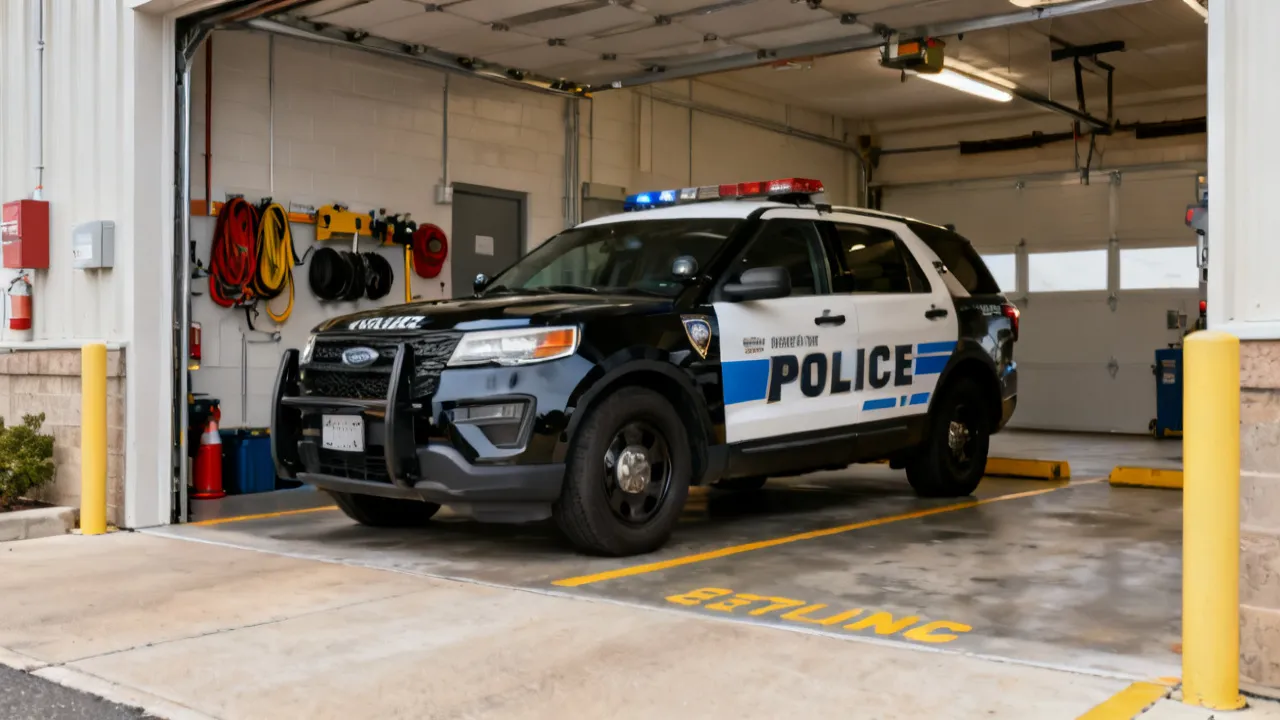
Police Vehicle Replacement Standards and Safer Procurement
Police Vehicle Replacement Standards and Fleet Buying Guide
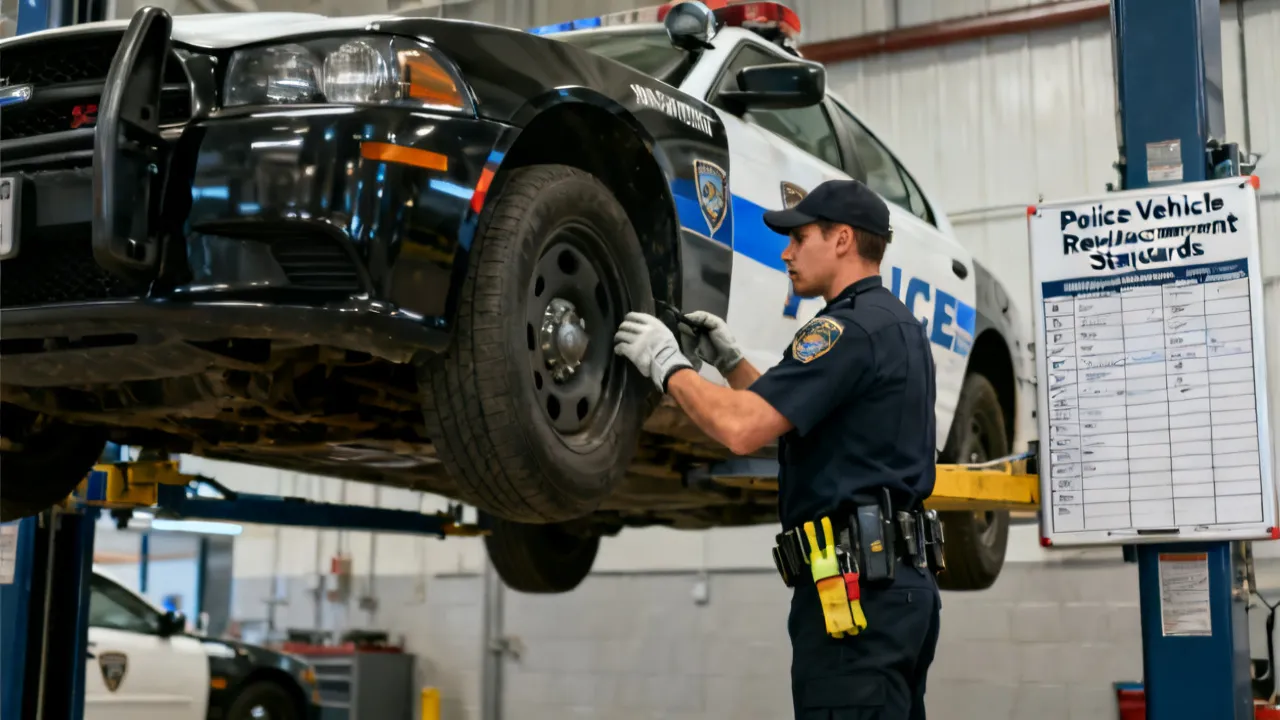
Police Vehicle Replacement Standards and Buying Guide
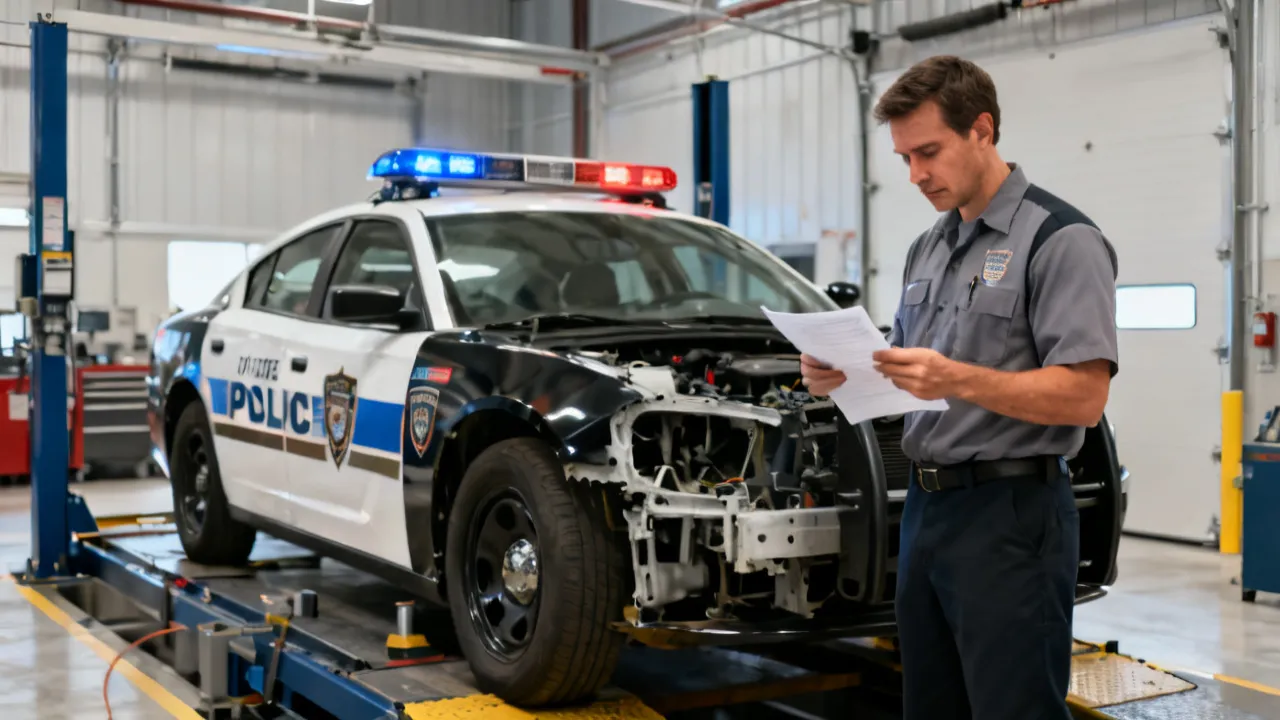
Police Vehicle Replacement Standards and Fleet Buying
This guide explains how Police Vehicle Replacement Standards shape budgeting, safety, and readiness for departments, while showing how to find a cheap car on sale through reputable marketplaces. It also provides objective steps for evaluating replacements—mileage, lifecycle costs, safety equipment, and compliance—using practical criteria you can apply whether you’re sourcing marked units or general-purpose vehicles.
Police Vehicle Replacement Standards and Buying Used Cars
This guide explains Police Vehicle Replacement Standards and how agencies evaluate fleet age, condition, safety, and readiness—then translates those same discipline-driven checks into a practical process for finding a cheap car on sale. It introduces major official trading platforms, offers a comparison framework, and provides expert-style requirements and FAQs. Objective, compliance-focused, and built for real-world decisions.
Police Vehicle Replacement Standards Explained
Police Vehicle Replacement Standards shape when agencies retire and replace patrol cars to balance safety, reliability, budgeting, and compliance. This guide explains the objective framework agencies use—vehicle lifecycle planning, performance metrics, and procurement controls—then shows how buyers can find a cheap car for sale by comparing reputable dealer listings like Cars.com, Carmax, CaronaSale, and Autotrader.
Police Vehicle Replacement Standards Explained for Fleet Teams
Police Vehicle Replacement Standards shape how agencies decide when to retire, repair, or replace patrol cars and support units to maintain safety, reliability, and readiness. This guide outlines the objective criteria fleets commonly use—mileage, condition, cost-to-maintain, and mission requirements—then compares official dealer marketplaces and explains how to find and buy a reasonably priced car for fleet or backup needs.
Police Vehicle Replacement Standards and Buying Options
Police Vehicle Replacement Standards define when fleet agencies should retire and replace patrol cars based on safety, reliability, and operational readiness. This guide explains how replacement standards work, how to evaluate vehicles like any other used-car purchase, and where to find current listings on major official car trading websites. It also outlines a practical decision checklist and key requirements.
Police Vehicle Replacement Standards Explained
Police Vehicle Replacement Standards guide agencies in deciding when to rotate patrol and support fleets, balancing safety, reliability, cost control, and regulatory expectations. This guide explains how standards are typically built, what to document during replacement planning, and how to find and compare discounted vehicles. It also summarizes key purchasing steps using reputable car trading websites.