Vehicle Availability is the key factor behind whether you can quickly find the right deal, especially when inventory shifts week to week. This guide explains, in an objective way, how official used-car marketplaces work, how “on sale” listings are structured, and how buyers can compare listings to secure a better match. You’ll also learn practical steps to buy a low-cost car while managing risks and verifying condition details.
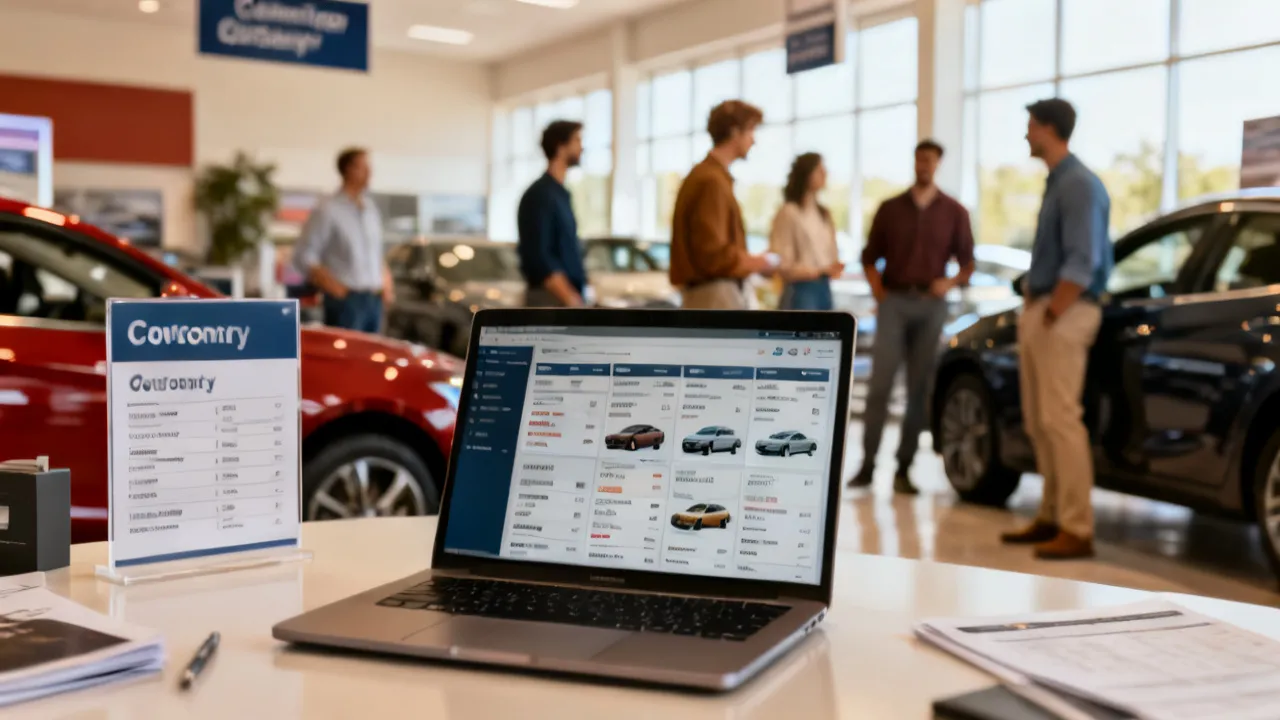
When shoppers say they want an “on sale” car, the real bottleneck is often Vehicle Availability: what’s currently listed, what can be reserved, what’s already sold, and what delivery options exist. In the U.S. used-car market, listings can change quickly—sometimes within days—because dealers update inventory in real time and marketplaces syndicate dealer stock. A price that looks compelling today can be gone tomorrow, replaced by a different vehicle, a different payment estimate, or a “pending” status that never gets resolved. The very effective way to buy a bargain is therefore to treat availability as a process: check inventory status first, then compare pricing and vehicle condition second.
Many buyers make the mistake of starting with sticker price or an eye-catching headline like “Limited-time sale” and only later checking if the vehicle is still available in the exact form described. That approach is convenient but risky. Availability-aware shopping flips the order: you decide first what you can actually buy right now (or within an acceptable window), and only then you decide whether it’s a bargain relative to condition and total cost.
From an industry perspective, “availability” is not only the count of cars—it’s also the type of inventory (trade-ins, lease returns, wholesales), the timeline (ready-to-deliver vs. arriving soon), and the transparency of listing details (vehicle history reporting, inspection notes, and financing disclosures). Even two cars that appear similar in photos may differ significantly once you review stock number, mileage, title status, and documentation. Sometimes “on sale” doesn’t mean “in stock and ready today”—it can mean “priced as part of an incoming inventory wave” or “available after a dealer inspection and cleanup process.”
In practice, marketplaces like cars.com, Carmax, Caronsale, and AutoTrader provide structured listing feeds that help buyers filter by body style, budget, mileage bands, location proximity, and price range—reducing search time. However, the deeper advantage comes from comparing the listing’s metadata (stock status, dealer-provided report availability, and return policies where offered) rather than relying only on advertised “on sale” language.
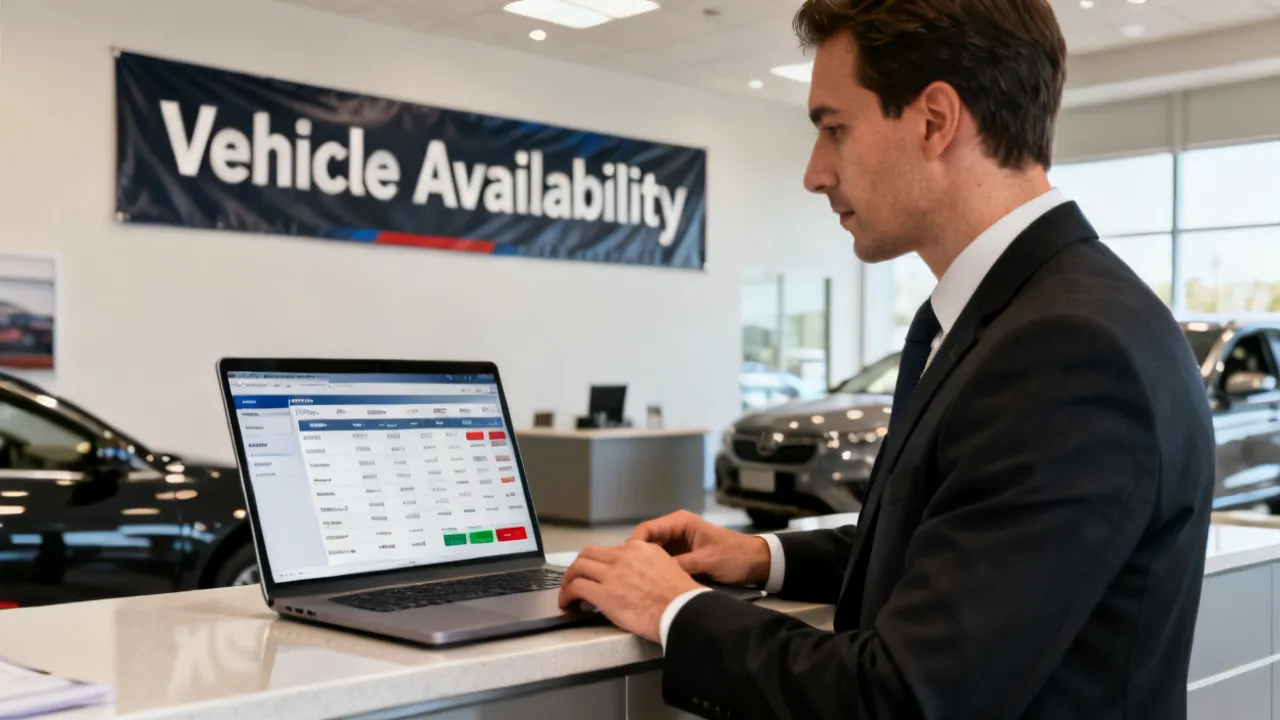
Vehicle Availability can also change because of dealership workflow. A vehicle might be “available” on a Tuesday, “pending” by Wednesday, and “sold” by Friday after a walk-in buyer reserves it. Or it might remain listed but become unreachable due to timing—such as requiring a recharge for the battery, waiting for a missing title document, or awaiting a third-party inspection report. Some listings are technically still visible but functionally unavailable because they are not yet prepared for sale.
Another underappreciated factor is how marketplaces update. Syndication can lag. A dealer might update the vehicle’s status in their internal inventory system, but the website may take time to reflect it. Buyers sometimes travel based on outdated information. Therefore, availability-aware shopping involves confirming status through the seller channel rather than treating a listing as a live inventory truth without verification.
If your goal is to find cars currently on sale and confirm they are actually available, the first step is to use established marketplaces that publish inventory from dealers and/or directly list vehicles from their own networks. Below is a compact comparison of official platforms you can use to monitor Vehicle Availability and “on sale” inventory. This is written as a neutral reference for where listings typically come from and how shoppers usually navigate them.
| Platform | How it typically supports Vehicle Availability checks | Common buyer workflow (high level) |
|---|---|---|
| cars.com | Aggregates dealer listings and supports real-time browsing by filters like price and mileage. | Search → filter by budget → open listing details → verify inventory status. |
| Carmax | Known for structured inventory presentations and consistent documentation practices. | Browse → compare similar trims → review disclosures → schedule next steps. |
| Caronsale | Markets used vehicles with searchable catalog-style inventory pages. | Scan listings → narrow by key specs → review listing-provided information. |
| AutoTrader | Provides dealer and third-party listings with filtering and comparison tools. | Compare offers across listings → confirm availability details → proceed to inspection. |
source: [www.cars.com](www.cars.com) [www.carmax.com](www.carmax.com) [www.caronsale.com](www.caronsale.com) [www.autotrader.com](www.autotrader.com)
Note: The links above are the source of the information referenced in this article section.
Buying a low-cost vehicle is rarely about finding one magic price; it’s about disciplined comparison under real-world Vehicle Availability constraints. The steps below are designed to help you identify cost-effective options while reducing avoidable risk. Think of these steps as a workflow you can repeat, especially when the exact car you want disappears and you need a backup plan quickly.
Because inventory moves fast, you want your process to be both structured and efficient. A structured process helps you avoid emotional decisions based on a photo or a one-line deal claim. An efficient process helps you avoid losing the car to a buyer who acts faster. The goal is to act quickly and verify accurately.
Start with a strict budget that includes expected ownership costs: taxes/fees, insurance, registration, and—if relevant—financing interest. Vehicle Availability searches often show prices, but the out-the-door amount can change depending on location, trade-in, and documentation fees. Establish a ceiling you can afford comfortably for both payment and insurance.
This step matters because “on sale” pricing can be misleading when the listed price assumes certain conditions. Some listings are low because they exclude mandatory fees, or because the payment estimate is based on a credit tier you don’t have. Others look affordable until the dealership adds documentation costs, add-ons, or required services to qualify the vehicle. By setting a total-cost ceiling early, you reduce the temptation to stretch for a deal that would be financially uncomfortable after closing.
To make your ceiling practical, consider writing down three numbers:
Having those numbers ready helps during dealer communication. A quick “My out-the-door ceiling is $X—can you meet it with this availability status?” is more effective than vague bargaining or asking for “the best price.” It also helps you compare multiple listings with consistent assumptions.
Once you use official platforms, apply filters consistently: year range, mileage range, drivetrain, trim level, and fuel type. If you compare a 70,000-mile example against a 110,000-mile one, you may misjudge whether the listing is “cheap” or merely “priced differently.” A better approach is to compare within tight bands so that availability differences reveal true value, not just spec gaps.
For many buyers, the easiest way to stay grounded is to choose a “comparison set.” For example, you might decide to search for:
Then, within that set, you can examine the listing details for differences that matter. Vehicle Availability will likely determine which one is obtainable—your job is to prevent yourself from overpaying for a car that is “on sale” only because it’s actually a higher-risk vehicle with unclear history.
Also consider whether your filter choices unintentionally create a bias. If you filter too tightly, you may miss alternative deals that are genuinely comparable but labeled slightly differently. For example, some listings categorize the same trim under different naming conventions, or options are inconsistently reported. Keep your filter strategy strict enough to compare fairly, but flexible enough to avoid missing your best option.
When a platform includes listing details such as condition notes, service/maintenance highlights, or vehicle history information (where available), take them seriously. Industry practice emphasizes that transparent reporting reduces uncertainty. If two cars appear similar, prefer the one with clearer documentation and fewer red flags (for example, title-related disclosures or inconsistent mileage narratives).
Documentation reduces uncertainty because it translates what you cannot see into evidence. You cannot fully evaluate a transmission’s internal wear from photos. You can, however, interpret evidence like service records, inspection reports, or reported accident history with caution. A listing that provides more detail often signals better process quality—or at least less attempt to hide negative factors.
When comparing listings, look for:
At the same time, be aware that not all documentation is equal. A listing may show a history report but omit context. For example, it may disclose “minor damage” without telling you the severity of repairs or whether airbags were deployed. That is why Step 4—contact and verification—remains important even when the listing looks transparent.
Vehicle Availability moves fast because popular trims and high-value deals are often reserved within short windows. The “cheap on sale” car you want may require rapid scheduling. Still, speed should not replace verification. Contact the dealer or seller promptly to confirm:
When you contact the seller, the smartest approach is to combine speed with specificity. Instead of asking “Is it available?” ask “Is stock number [X] still available, and is it ready for sale today (not pending reconditioning or documents)?” Specificity reduces the chance of misunderstanding and forces the seller to confirm details rather than giving a generic answer.
If the platform provides an automated message system, use it for initial reach but still follow up by phone when possible. A phone call often gets you answers faster, especially about inventory status and readiness. If you can’t call, ask for a written confirmation of key terms via email or a platform message thread.
Even “on sale” listings can include vehicles with hidden wear. A professional pre-purchase inspection is one of the very cost-efficient safeguards you can buy. Choose the inspection depth based on vehicle type:
Your risk profile should come from a combination of mileage, price, and documentation. A “cheap on sale” car at a very low price point compared to similar listings is not automatically a bargain. It may be discounted for reasons that the listing doesn’t emphasize. In those cases, you should treat the vehicle as higher risk and inspect accordingly.
There are different inspection styles, and choosing the right one matters:
Also, align inspection timing with Vehicle Availability. If the seller is willing to hold the car pending inspection, ask for a timeline. If they cannot hold it, consider moving quickly and scheduling inspection immediately after your initial confirmation. Otherwise, you risk paying for an inspection and then discovering the vehicle sold before your appointment.
In a fast-moving inventory cycle, negotiation can change. If you’re speaking to a dealer while the vehicle is still in active stock, you have leverage to ask about:
However, a fair industry approach is to negotiate on documented comparables and total cost—not on assumptions. If you cannot confirm the competitor car’s condition and availability, do not treat it as an automatic price benchmark.
Negotiation strategies that work well in availability-sensitive contexts include:
In addition, negotiation should be sensitive to the seller’s actual situation. Sometimes a dealer is already operating with minimal margin because the vehicle is priced competitively. In that case, you may not get a big discount, but you might be able to negotiate a service package or a price adjustment after inspection reveals additional issues.
To avoid wasted trips, confirm the sale workflow: where signatures occur, deposit rules, title timelines, and how the seller handles test drives. Vehicle Availability can change between your first call and your appointment date, so ask for a status update and a written summary of the key terms when possible.
Before you commit time or travel expenses, ask practical procedural questions that determine whether the deal can close smoothly. For example:
Paperwork clarity reduces stress and helps you avoid situations where the vehicle you thought you were buying cannot be delivered due to missing documentation. Vehicle Availability includes not only the car’s presence but also the readiness of administrative steps (title acquisition, lien release processing, recall completion, and inspection scheduling).
Below is a neutral comparison of common conditions that influence whether a low-cost “on sale” deal is truly feasible. The goal is to help you assess readiness early and avoid situations where a listed price doesn’t match final purchase realities.
| Condition/Requirement | Why it matters for Vehicle Availability and pricing | Recommended buyer action |
|---|---|---|
| Financing eligibility | Some “on sale” vehicles may be priced assuming specific credit tiers or financing terms. | Pre-check credit/financing options; request the out-the-door estimate. |
| Title and disclosure status | Vehicles with certain title situations can affect registration and final cost. | Verify title condition and review disclosures before test driving. |
| Inspection timing | Inventory may sell before your inspection appointment is completed. | Schedule inspection quickly or request dealer inspection documentation. |
| Return policy or purchase protections | Policies vary by seller and can change total risk. | Confirm return terms and any conditions tied to mileage or wear. |
Buying a cheap car is not only about a low sticker price; it’s about aligning price with condition and expected maintenance. Here are expert-style evaluation points that help you avoid common traps:
To expand on these points, consider how owners commonly budget for upcoming maintenance. Even if the car is mechanically sound today, many used vehicles require scheduled expenses within the next 6–18 months depending on mileage and driving habits. If the “on sale” vehicle is priced low enough to cover those expenses, it might still be a bargain. If not, you may be better off paying slightly more for better documentation and more remaining useful life.
A key skill in bargain buying is recognizing how scarcity affects pricing. Vehicle Availability doesn’t just determine whether you can buy; it also affects the seller’s willingness to negotiate. When a vehicle is scarce in the market—rare color, hard-to-find trim, low mileage—dealers may treat it as less negotiable. When a vehicle sits unsold longer, the seller might reduce price or offer more incentives. That means the “on sale” label isn’t the only signal of a deal; timing and supply conditions matter.
Practical ways to apply this concept:
In other words, “on sale” is a marketing descriptor. “Availability-aware pricing” is your method of verifying whether the marketing descriptor matches the real supply-and-demand situation and the car’s condition.
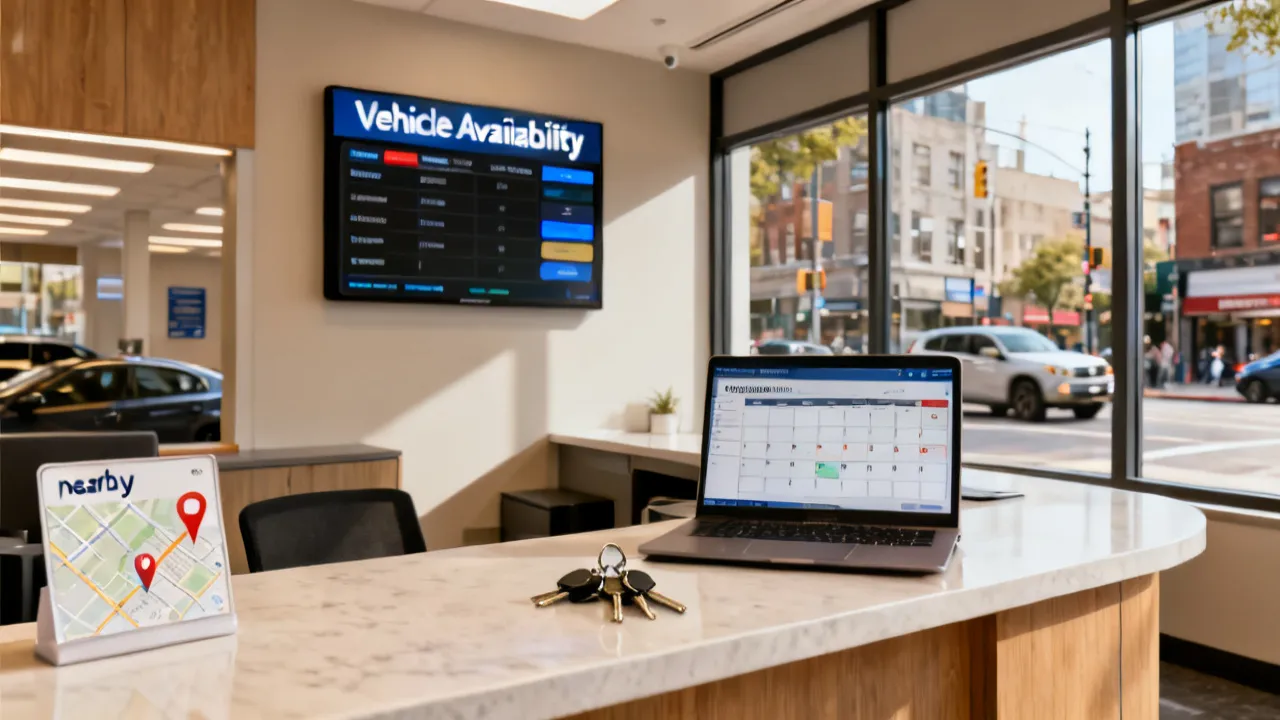
If you are using filter-based browsing, treat “nearby” inventory as a practical advantage: it reduces transport costs, makes test drives easier, and can accelerate decision-making. For many shoppers, the fastest path to a good deal is coordinating within a short radius—especially when Vehicle Availability updates frequently. Still, do not let convenience replace inspection. A short drive should make verification more convenient, not less necessary.
Nearby searches also help in another way: they make it easier to schedule backup options. For example, if your top vehicle disappears before your appointment, you can still visit a second or third listing quickly. That reduces the “panic factor” that sometimes leads to overspending. When your alternatives are close by, you can afford to verify properly.
However, be careful about assuming that nearby equals better value. Some dealers in certain regions may price differently due to local demand, regional income levels, or differences in average repair costs. A nearby listing might be cheaper because it has more visible wear, or because the seller needs to move inventory quickly. Conversely, a slightly farther listing might be better documented and still cost less in total after factoring in expected maintenance.
Not all listings are equally available in practical terms. Some vehicles are marked as ready, others as in transit, and some as arriving soon. These phrases can be meaningful:
From a buyer perspective, your negotiation and inspection strategy should change based on this status. If the vehicle is ready, you can inspect sooner. If it is arriving soon, you must ask whether you can reserve it, what deposit is required, what condition is expected when it arrives, and whether the listing details (including mileage and title status) are confirmed at the time of arrival.
Vehicle Availability isn’t just present/absent; it’s the certainty that the vehicle you’re evaluating will still match the listing when it’s time to close.
The test drive is where “on sale” claims become real. A cheap price doesn’t automatically mean a bad car, but it does mean you should treat the test drive as diagnostic rather than casual. Use a checklist that covers what typically reveals problems, especially in vehicles with higher mileage.
Consider checking:
When you find something concerning, use it as negotiation input only if you can translate it into actionable maintenance costs. “It felt weird” doesn’t translate into leverage unless you can say “This likely indicates worn brakes/suspension/engine mounts” and then use an inspection or mechanic estimate. That is why your inspection strategy (Step 5) matters.
Sometimes you may be shopping for a vehicle that is still available but may be reserved for someone else, or the seller might be waiting on documentation. In these cases, you can reduce risk by adding structure to your communication.
Practical protections include:
This matters because Vehicle Availability is not always a stable fact. It can change due to other buyers, internal dealership processes, or document timing. Your job is to make the transaction less dependent on hope and more dependent on confirmed steps.
In used-car contexts, “on sale” can be a broad label rather than a strict promise. It can refer to a discount, a promotional price, or a vehicle included in a marketing campaign. But “on sale” can also exclude certain essential elements, such as:
Therefore, interpret “on sale” as “priced for sale marketing,” then verify what is actually included in the deal. The most reliable approach is to request an out-the-door price and a breakdown of what’s included before you compare deals between different sellers.
When you contact a seller, your success often depends on the questions you ask. Well-designed questions reduce back-and-forth and force clarity. Consider using a message template that includes availability, total cost, and documentation.
For example, you can ask:
Clear questions also help your inspection. If you know the seller’s disclosed issues ahead of time, you can tailor your inspection to focus on those likely areas. That improves your chances of catching problems before you buy.
Check the listing’s current inventory status (available vs. pending/sold) and contact the seller promptly for confirmation. Vehicle Availability can change quickly, especially for popular trims or unusually low-priced inventory. Also consider requesting the stock number confirmation and asking if the car is physically present and ready for test drives.
Compare within tight bands of mileage, trim, drivetrain, and options. Then weigh each listing’s documentation quality (condition notes, history reporting, and disclosure clarity). A slightly higher price can be cheaper overall if it reflects better maintenance, fewer near-term wear items, or fewer disclosed issues that require costly repairs soon after purchase.
Not necessarily. Each marketplace can show different inventory availability and provide different listing detail depth. The practical approach is to cross-check the same criteria across multiple sites, especially if you’re searching for a narrow target (for example, a specific trim or mileage range). If you find a strong match on one platform, confirm details directly with the seller regardless of which platform you used.
From a risk-management standpoint, the top choice is usually the one where price aligns with verifiable condition. If the low price option lacks disclosures, history, or inspection detail, the “savings” may shift into maintenance costs soon after purchase. However, a low price with good documentation and a clean inspection can be a great deal. The decision should be based on evidence and total cost rather than marketing language.
Ask for current inventory status, any known issues, recall/disclosure information, out-the-door pricing breakdown, and whether an inspection report or vehicle history is available. If financing is part of the plan, ask how the advertised price changes under your credit/term scenario. Also ask whether any reconditioning or repair work is still pending, since that affects what you’ll see during your visit.
It’s strongly recommended for any used car purchase, particularly when the price is “on sale” and may reflect underlying condition factors. Inspections help you confirm what’s in the listing and identify what’s not. If the seller offers an inspection already, you can still benefit from independent verification, especially for safety-critical components and systems with expensive repair costs.
Prices can differ due to vehicle condition, documentation depth, demand, dealer overhead, and financing assumptions. Vehicle Availability also affects pricing: when a vehicle is scarce, dealers may price more aggressively; when inventory is less competitive, deals may be more pronounced. Additionally, different platforms may show different dealer-provided incentives or display pricing differently (cash price vs financing price).
“Nearby” can reduce logistics and accelerate action, but it doesn’t automatically guarantee a better price. Evaluate the total cost and the car’s condition the same way you would for any distance. Nearby can be a strategic advantage for speed and backup planning, but it should not replace verification and inspection.
It’s possible, but you should treat it as uncertain. “Pending” can mean reserved for a buyer who has not finalized paperwork or might mean the deal is nearly complete. Contact the seller immediately and ask: what does pending mean in their workflow, and what is the likelihood the car will become available again? If you still want it, ask whether they can offer a backup appointment or provide an alternate vehicle with similar specs.
Ask for a clear status and readiness statement (available and ready for test drives vs pending vs in transit). Request written confirmation of your appointment terms and any deposit requirements. If possible, schedule your inspection or appointment soon after the seller confirms availability. Keep an alternative option nearby so you can pivot quickly if the car is no longer available.
1) The above information comes from online resources, and the data is as of October 2023.
2) For more information, please refer to the official website.
Understanding Vehicle Availability for Smart Purchases
Vehicle Availability Strategies for Smarter Decisions

Vehicle Availability and Smart Buying Guide
How to Use Vehicle Availability to Find Deals
How to Secure Vehicle Availability for a Deal

Mastering Vehicle Availability for Smarter Rentals
Understanding Vehicle Availability for Smarter Rentals
Vehicle Availability: Expert Guide for Smart Selection
Vehicle Availability and How to Buy a Cheap Car

Vehicle Availability and Smart Buying Guide
Vehicle Availability is the key factor behind whether you can quickly find the right deal, especially when inventory shifts week to week. This guide explains, in an objective way, how official used-car marketplaces work, how “on sale” listings are structured, and how buyers can compare listings to secure a better match. You’ll also learn practical steps to buy a low-cost car while managing risks and verifying condition details.
How to Use Vehicle Availability to Find Deals
Vehicle Availability tools can help shoppers narrow choices and act quickly when cars are listed for sale. This guide explains what “Vehicle Availability” typically means in online listings, how to cross-check inventory accuracy, and how to buy a cheap car responsibly. It also summarizes major official car trading sites and provides an expert step-by-step checklist, including requirements to verify condition, history, and pricing.
How to Secure Vehicle Availability for a Deal
Vehicle Availability is the practical reality behind car shopping: inventory changes, listings move, and availability can differ by trim and location. This guide explains, in an objective way, how to use official trading platforms to monitor Vehicle Availability and find a reasonably priced car quickly. It also covers how to evaluate listings, verify condition, and complete a purchase with appropriate checks.
Vehicle Availability and How to Buy a Cheap Car
This guide explains how to evaluate Vehicle Availability and locate on-sale vehicles efficiently, from official inventory pages to final purchase steps. It provides objective background on how inventory turnover, pricing transparency, and vehicle history influence what’s available. You’ll also find a practical checklist to compare listings, confirm eligibility, and buy with confidence—without relying on guesswork.

Vehicle Availability Guide for Buying a Cheap Car
Vehicle availability determines how quickly you can test-drive and secure a deal, especially when you’re hunting for a cheap car. This guide explains how to assess inventory at major official trading platforms, compare offers, and reduce risk during purchase. It also provides an expert, objective framework for evaluating listed cars and selecting the right next step.
Vehicle Availability Guide for Buying a Deal
Vehicle availability is the deciding factor when shopping for an on-sale car, since stock, condition, and timing shape both price and options. This guide explains how to evaluate inventory realistically, compare reputable listings from official car trading sites, and choose a “cheap” option without compromising safety. You’ll also learn a practical process for finding deals, verifying details, and completing a purchase with fewer surprises.