This guide explains the Chevy Silverado Manteca Edition’s key specs, typical pricing factors, and how to evaluate suppliers before you buy. It gives objective background on what “Manteca Edition” usually implies in the market—trim-level presentation, appearance packages, and dealer-installed options—so you can compare offers confidently and avoid mismatches.
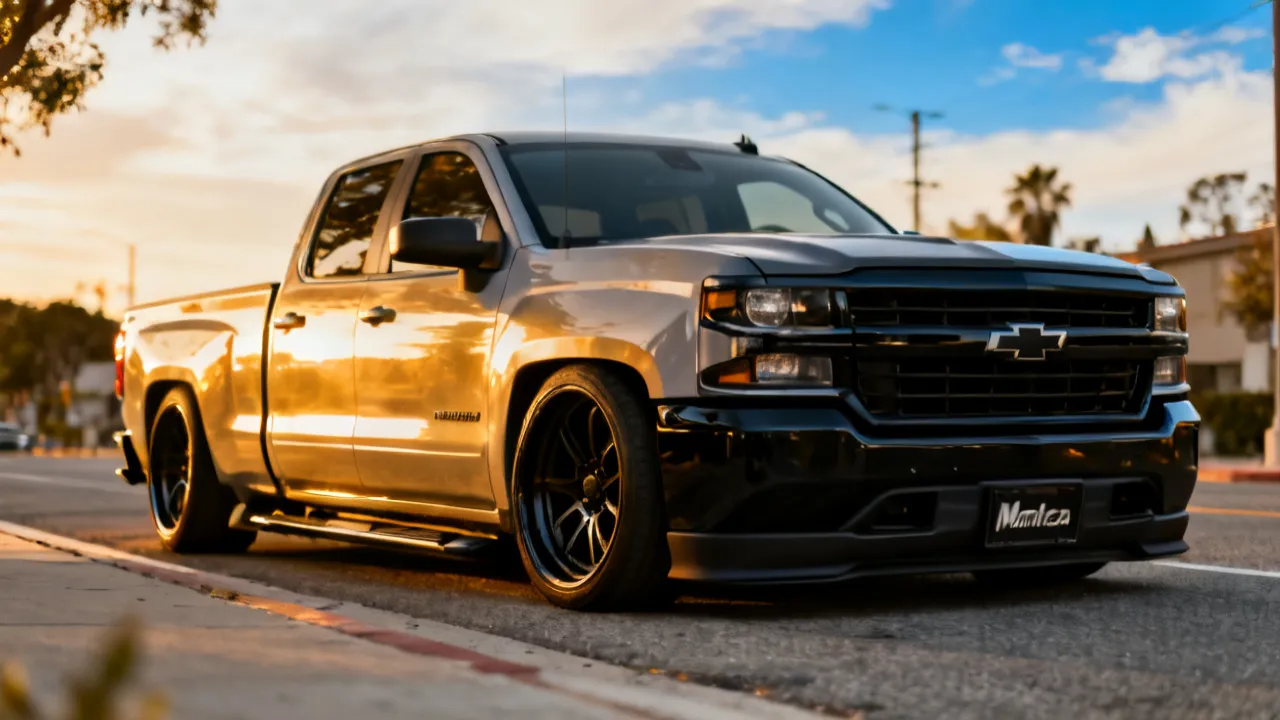
If you’re considering the Chevy Silverado Manteca Edition, treat every listing as a “complete-vehicle value” question, not just a headline price. The very critical step is verifying what’s included (trim level, wheels, interior appointments, and any dealer-installed or bundled options), then comparing the total out-the-door cost from each supplier. Because editions can vary by region and dealer packaging, documentation matters: confirm the VIN build sheet, option codes, and warranty coverage before committing.
From an industry perspective, the “edition” label often blends factory content with locally curated appearance and convenience features. That means two trucks marketed as the same name can still differ in equipment. Your top protection is structured comparison: ask for itemized pricing, confirm whether the package is factory-backed or dealer-added, and check terms for maintenance and any included accessories.
The phrase Chevy Silverado Manteca Edition is commonly used by sellers to indicate a specific presentation or bundle rather than a single globally uniform factory trim worldwide. In many markets, “edition” names are used to describe:
For buyers, the objective takeaway is simple: treat “Manteca Edition” as a menu that must be verified item-by-item. A reputable supplier should be able to provide a clear breakdown of what the package contains and how it maps to the vehicle’s official option structure.
In real-world transactions, sellers sometimes use “edition” as shorthand for “this truck is nicer than the base trim, and we bundled the popular add-ons together.” That can be helpful, but only if the bundle is transparent. Without itemization, “edition” becomes marketing language rather than a measurable value proposition. When you’re spending Silverado-level money—often five figures—your goal is to replace assumptions with proof.
Also recognize that “edition” packaging is frequently shaped by dealer inventory and buyer preferences. If a dealer typically sells trucks to contractors and families who want towing readiness plus upgraded comfort, they may curate an “edition” that matches what they see moving. Another dealer in a different climate may curate the “edition” differently—changing wheel size for tire availability, swapping interior comfort features, or bundling winter-ready gear like all-weather mats. That’s why the same name can conceal meaningful differences.
When shoppers compare the Chevy Silverado Manteca Edition across suppliers, the sticker price alone rarely tells the whole story. Industry pricing differences typically come from:
To stay grounded in objective comparisons, use the same checklist for every seller and request the itemized breakdown of price components. If one supplier can’t clearly explain what you’re paying for, that is itself information.
Consider the most common “pricing illusion”: two trucks appear close in advertised price, but one listing includes the edition package contents and the other listing includes only a label. The “missing” value can be hidden in separate line items like “wheel locks,” “appearance protection,” “VIN etching,” “dealer-installed electronics,” or even freight/delivery differences. While some of those items may be legitimate, the point is that you cannot compare value if you don’t compare composition.
Another issue is the payment-based comparison trap. A seller might quote you a lower monthly number by extending the loan term, increasing the total interest, or shifting the down payment. Payment quotes can be useful for budgeting, but they are not the best tool for comparing two offers. For that, you want an out-the-door total plus the actual invoice lines tied to the truck and its bundle.
When you evaluate price, treat it like cost accounting:
If you get this structured list from every seller you contact, the “best” offer becomes much easier to identify—and you avoid paying for items you didn’t intend to buy.
Choosing a supplier for the Chevy Silverado Manteca Edition is less about sales pitch and more about verifiable process. A professional dealership or commercial seller should be prepared to provide:
In short: your supplier should be able to answer “what is included and how do we know?” If they can’t, you’re left to negotiate in the dark—something buyers in the truck market can least afford when budgets tighten.
Supplier legitimacy doesn’t only mean “they have inventory.” It means they can support the transaction with clean paperwork and consistent information. A strong seller will:
On the other side, red flags include: refusing to provide written breakdowns, giving vague answers about included wheels or interior features, or changing the explanation between calls. If a “Manteca Edition” listing’s equipment details shift after you ask for verification, that suggests you may be dealing with packaging ambiguity or incomplete documentation.
Because you didn’t specify a named city or country inside the keyword set, this guide uses the neutral term nearby where local context can be relevant. Even when location is “nearby” rather than a specific municipality, buyers often face common regional realities:
When you compare suppliers nearby, don’t assume “same edition name = same truck.” Confirm build details and option content each time.
There’s also a practical, non-obvious factor: “nearby” affects how much you should worry about post-sale issues. If the seller is within reasonable driving distance, you can more easily address documentation corrections, schedule warranty service, and return accessories if needed. If you buy from far away, the “savings” on price can disappear in logistics—especially if you need to swap tires to match the wheels or correct an included accessory mismatch.
Even if the edition is the same, regional inventory may influence things like tire brand and model (often based on what is available), which can change ride comfort and long-term replacement costs. Two trucks with similar wheels but different tire brands might feel different and wear differently, especially if you drive varied terrain.
The process below is designed for objective decision-making and works whether you’re shopping for a new build, a near-new unit, or a used configuration.
Because “edition” packaging can mix factory and dealer-installed components, it helps to break your verification work into categories. Use this as a checklist during calls, emails, or in-person reviews.
This checklist matters because it replaces “edition” ambiguity with a concrete list you can compare between listings. Once you can see exactly what’s in the bundle, you can also estimate how much you’d pay to recreate it if the deal didn’t include it.
| Evaluation Point | What “Good” Looks Like | What to Watch For |
|---|---|---|
| Edition content | Itemized list of appearance/tech items with clear inclusion | Only a marketing name with no breakdown |
| VIN verification | Build details that match the advertised configuration | Mismatch between described features and build references |
| Pricing structure | Out-the-door estimate with documented fees | Ad price that excludes common fees or accessories |
| Supplier documentation | Clear paperwork and transparent terms | Unclear add-ons, vague warranty language |
| Warranty alignment | Factory coverage confirmed; dealer-added items explained | Accessories that may not be covered or warranty limitations not stated |
| Vehicle condition (used) | Service history and condition report availability | Missing history or limited disclosure of wear/repairs |
Many buyers can compare prices, but fewer buyers can compare value. Value analysis starts with understanding how a dealership or seller structures charges. Even if you don’t have access to every internal number, you should insist on an itemized invoice or a buyer’s order that includes each line item.
When you receive an out-the-door quote, scan it in this order:
Then ask yourself: “If I remove everything that doesn’t match the edition description, what’s left?” If the seller can’t clearly define that difference, you may be paying for extras you don’t want—or you may discover that the advertised edition content is smaller than expected.
As a buyer, you don’t need to be adversarial, but you do need to be precise. Precision is the fastest route to a clean deal. A seller who is confident in their package should welcome your questions, because itemization reduces misunderstandings and makes the purchase smoother.
Before finalizing your Chevy Silverado Manteca Edition purchase, the practical requirements below help you avoid common pitfalls:
In addition to those items, it’s wise to plan for the “handoff moment.” That is when many misunderstandings happen: a buyer arrives expecting a certain wheel or seat configuration and finds a different accessory installed, or discovers that a promised add-on is not actually completed.
To protect yourself, do these steps early:
Even “nearby” purchases should not be treated as casual. The more money you spend, the more you should demand controlled documentation.
From a procurement and product-planning lens, edition value is usually determined by the overlap between:
In the Silverado segment, buyers often justify edition features as “comfort + presentation.” The expert approach is to validate whether those features align with your driving habits. If you rarely use certain technologies or don’t care about appearance upgrades, you may be overpaying for what is effectively a style bundle. Conversely, if you do want the specific wheel, interior trim, and accessory combination, a well-documented edition can reduce your time spent assembling options.
There is also a less-discussed value factor: future resale. While resale pricing varies by market, an edition that is documented with real features can be easier for buyers to evaluate later. If the edition content is vague, future buyers may feel uncertain and discount the price. If the edition content includes widely recognized factory options (or well-documented dealer-installed items), the truck’s story stays consistent.
Professionals also consider the “cost to replicate.” Imagine you wanted to rebuild the same look and functionality after purchase. Ask yourself:
This is why documenting whether items are factory-installed matters. Factory options are typically easier to understand because they follow a known configuration. Dealer-installed items can still be excellent, but they introduce a layer of variability—both in how they were installed and in how coverage applies later.
Even if a seller confidently calls a truck a “Manteca Edition,” you should verify it. Verification is not distrust—it’s due diligence. Here’s how you can do it effectively.
1) Validate the build through the VIN
Ask for a build sheet reference or a screenshot/photo showing trim and option codes tied to the VIN. When possible, match the advertised features to the build sheet items. If the build sheet lists certain features, then your “edition” story gets anchored to factory truth.
2) Match photos to known feature markers
Marketing photos can be deceptive, but edition features often have visual markers: wheel design, grille trim, seat stitching patterns, headlamp style, and badge placements. Compare the photos with what you’re told in writing. If photos contradict the seller’s description, assume there is an issue.
3) Request an itemized add-on list
Edition bundles frequently include dealer-installed accessories. Ask the seller to itemize these with names and installation status. For example: “bed liner installed,” “tonneau cover installed,” “all-weather mats included,” “wheel locks included.”
4) Confirm warranty allocation
If dealer-installed accessories are included, ask whether there is any warranty attached to those accessories and whether they are covered under any extended plan. Some plans cover labor only in limited circumstances, while others cover parts for a limited period. Get clarity in writing if possible.
5) Confirm missing or damaged items
If the truck has any imperfections—scratches, dents, tire wear differences, or missing caps—ask whether those are already reflected in price or will be corrected. A “deal” can disappear when you realize repairs are on you after purchase.
You asked for supplier details integration, but no explicit supplier name, URL, or specific “price information” was provided in the prompt. Since unverifiable details can lead to incorrect conclusions, this section focuses on a safe and objective method: confirm the supplier’s legitimacy through documentation and process rather than assuming a label implies credibility.
When evaluating a supplier offering the Chevy Silverado Manteca Edition:
This “process verification” approach is standard in automotive purchasing, where appearance-based bundles can otherwise blur the lines between factory and dealer-installed equipment.
If you want an additional layer of confidence, ask the seller to provide a summary that distinguishes:
A seller who can provide that structure is more likely to be transparent and to deliver what you expect. A seller who cannot may be relying on generic statements that are difficult to compare and difficult to enforce.
For general guidance on how vehicle pricing and supply dynamics have been discussed in the industry, buyers can reference official and research-backed channels such as:
When using sources, keep the perspective grounded: they inform the environment, while the VIN-linked documents confirm the specific truck you’re buying.
One practical use of these sources is to reduce your surprise risk. If you’re buying used (or near-new), recalls and safety actions can be checked by VIN. That doesn’t necessarily eliminate issues, but it helps you plan—especially for timeline and service appointments.
Typically, it refers to a package of appearance and convenience items marketed under an “edition” name. Because packaging can vary by supplier and region, the only reliable method is to confirm the included features using VIN-linked build details and an itemized package list.
In practice, “Manteca Edition” may include some combination of wheel/tire upgrades, interior trim upgrades, infotainment tier upgrades, and dealer-added accessories (like liners or tonneau covers). However, those components can differ significantly between listings. So your best approach is always the same: verify, document, and compare.
Not necessarily. Some components may be factory-equipped, while others can be dealer-installed or bundled as accessories. Ask the supplier to specify what is factory and what is added, and how each item is covered under warranty.
If you’re trying to estimate risk, think this way: factory-installed equipment tends to align with known option structures, while dealer-installed items can vary in how they were installed and what documentation they have. That doesn’t mean dealer-installed items are bad—it means you should ensure they are documented and covered appropriately.
Compare the out-the-door totals and itemized equipment lists. A lower advertised price can be offset by higher fees or missing accessories; likewise, a higher price may include items you would otherwise purchase separately.
To compare apples to apples:
Expect an itemized invoice, VIN-linked build or option confirmation, warranty coverage terms, and—if the truck is used—a condition report or service history documentation where available.
More specifically, you should look for:
Yes. Marketing photos can’t confirm option codes, installed accessory scope, or exact trim content. The risk is paying for features that aren’t actually included or assuming coverage where none applies. VIN-based verification and written documentation reduce that risk.
Marketing photos are also sometimes staged to show the best angles and can omit details like differences in wheel design, minor trim variations, or the exact infotainment screen model. That’s why the only acceptable evidence is documentation tied to the vehicle and a clear invoice.
Yes, but negotiation should be anchored to verifiable differences: equipment content, warranty coverage, condition, and fee structure. Using objective comparisons makes offers more defensible for both parties.
A strong negotiation strategy uses evidence. For example:
It’s not automatic fraud, but it’s a major due diligence issue. If the seller can’t provide VIN-linked option details, you should treat the deal as unverified. You can still proceed only if they provide an alternative method that is equally reliable (such as a documented build sheet that can be tied to the VIN).
In modern auto purchasing, it’s reasonable to request proof. A dealer with legitimate inventory should be able to produce VIN-based details quickly.
For used vehicles, you should check service history, accident indicators, tire and brake condition, alignment and undercarriage condition, and whether the edition accessories show signs of improper installation. Request a condition report and confirm any missing components. Also verify that the warranty remainder is sufficient and covers the things you care about most.
Because edition packages sometimes include accessories, used trucks should be inspected not only as vehicles but also as systems. Accessories can affect:
No. A higher price can be justified if the edition includes more desirable equipment or a better warranty, but it can also reflect differences in fees, financing assumptions, or pricing markup. The correct approach is to compare the specific package contents and out-the-door cost. The “best” offer is the one with the correct equipment at the lowest verified total cost, within your risk tolerance.
The Chevy Silverado Manteca Edition can be a smart buy when its package features match your needs and the supplier provides documentation that ties the edition name to the exact VIN-equipped configuration. Use a structured comparison approach—confirm edition content, verify VIN-linked details, and compare out-the-door pricing—so you’re evaluating real value rather than marketing shorthand.
If you’d like, share the specific listing details you’re considering (VIN, mileage, whether it’s new or used, and the included “edition” items). I can help you build a side-by-side checklist for two or more offers in a way that’s consistent and objective.
Chevy Silverado Manteca Edition: What to Know Before Buying
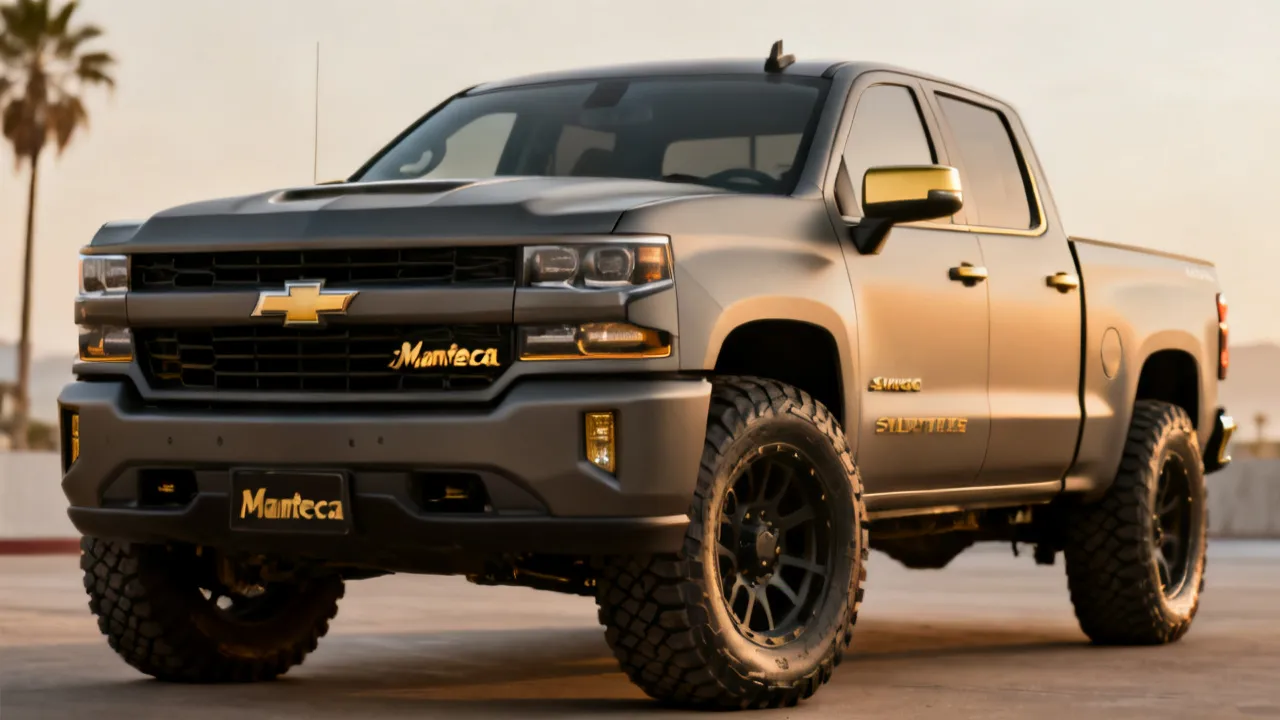
Chevy Silverado Manteca Edition Buying Guide and Analysis
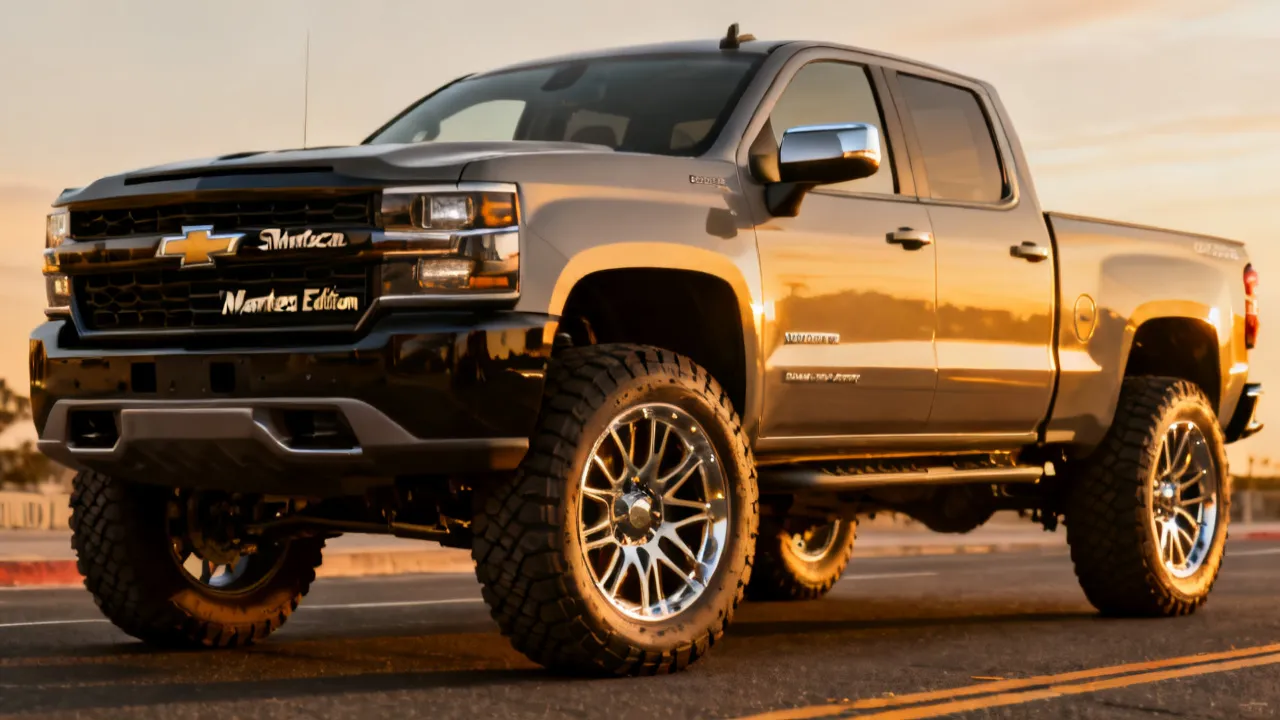
Chevy Silverado Manteca Edition: Buy Smart Guide
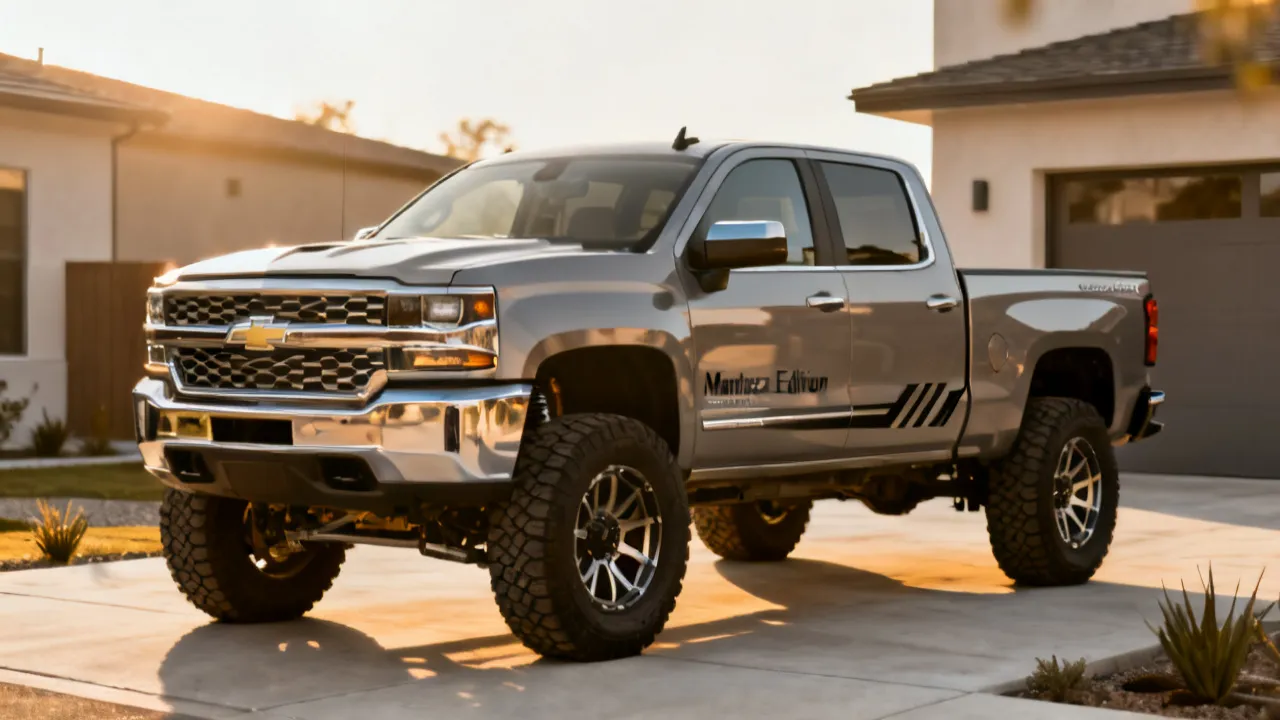
Chevy Silverado Manteca Edition: Buying Guide & Options
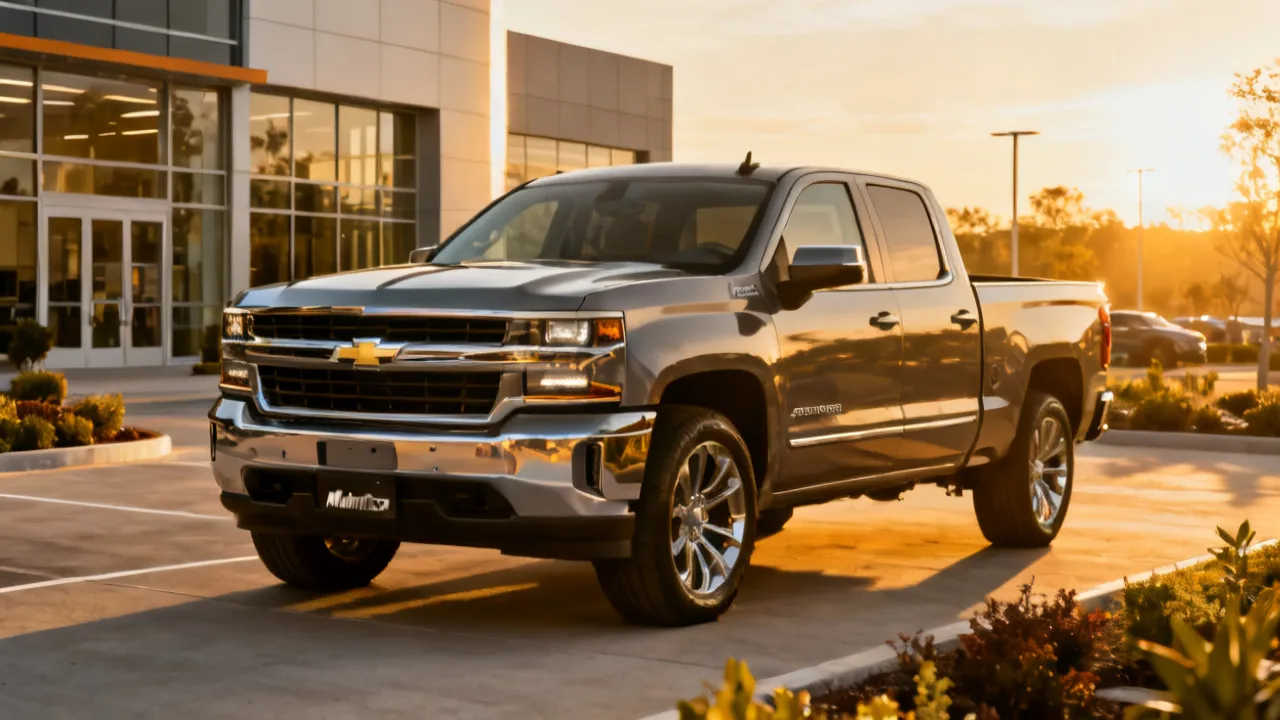
Chevy Silverado Manteca Edition: Buying Guide and Analysis
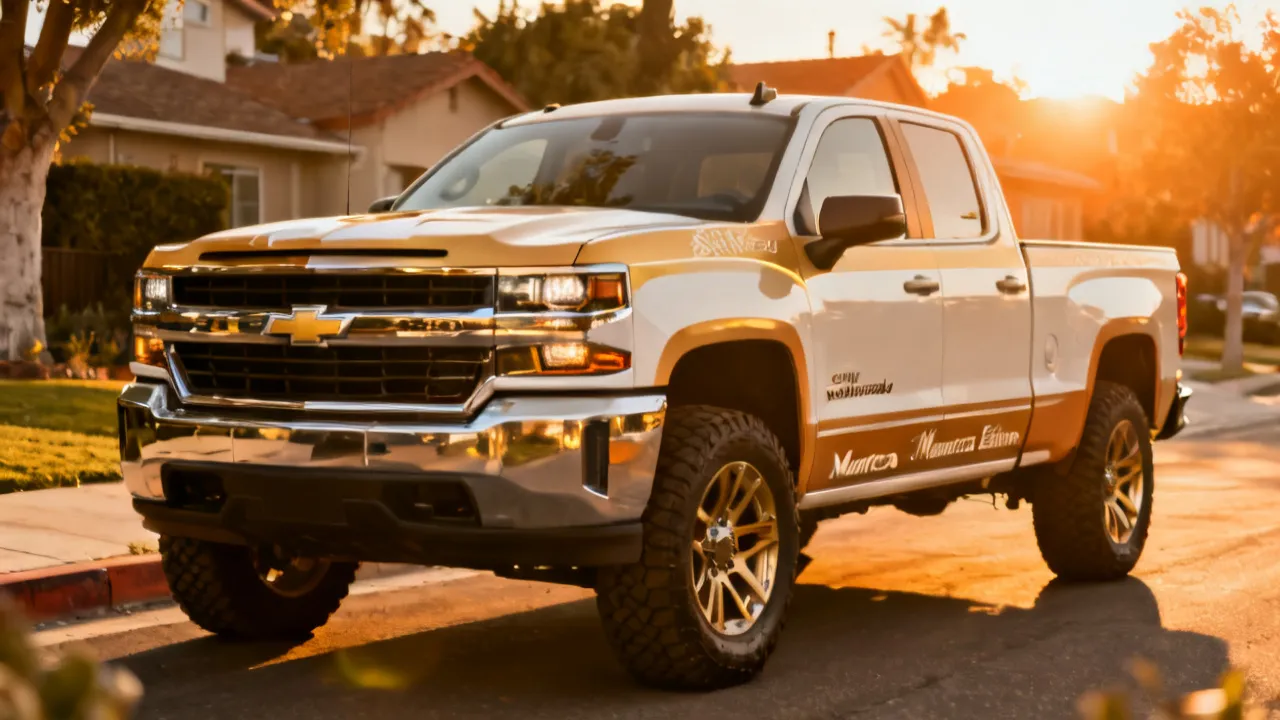
Chevy Silverado Manteca Edition Buying Guide
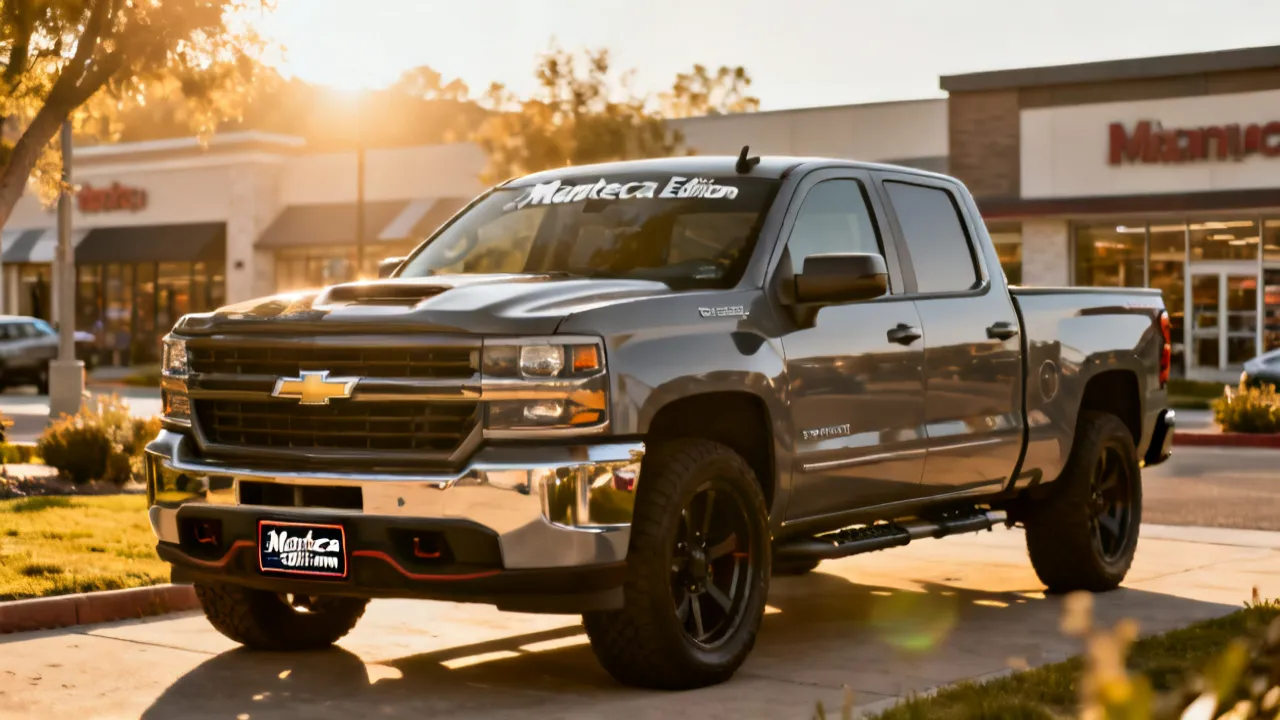
Chevy Silverado Manteca Edition Buying Guide
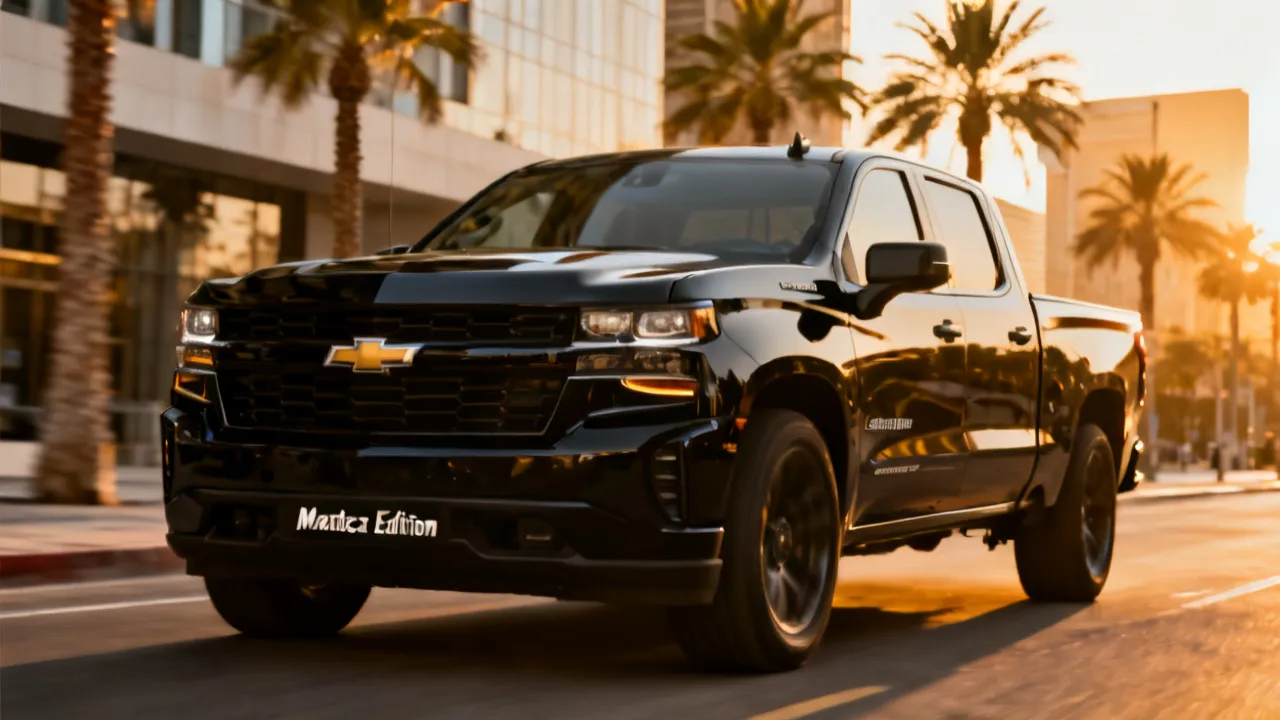
Chevy Silverado Manteca Edition: Buying Guide & Dealers
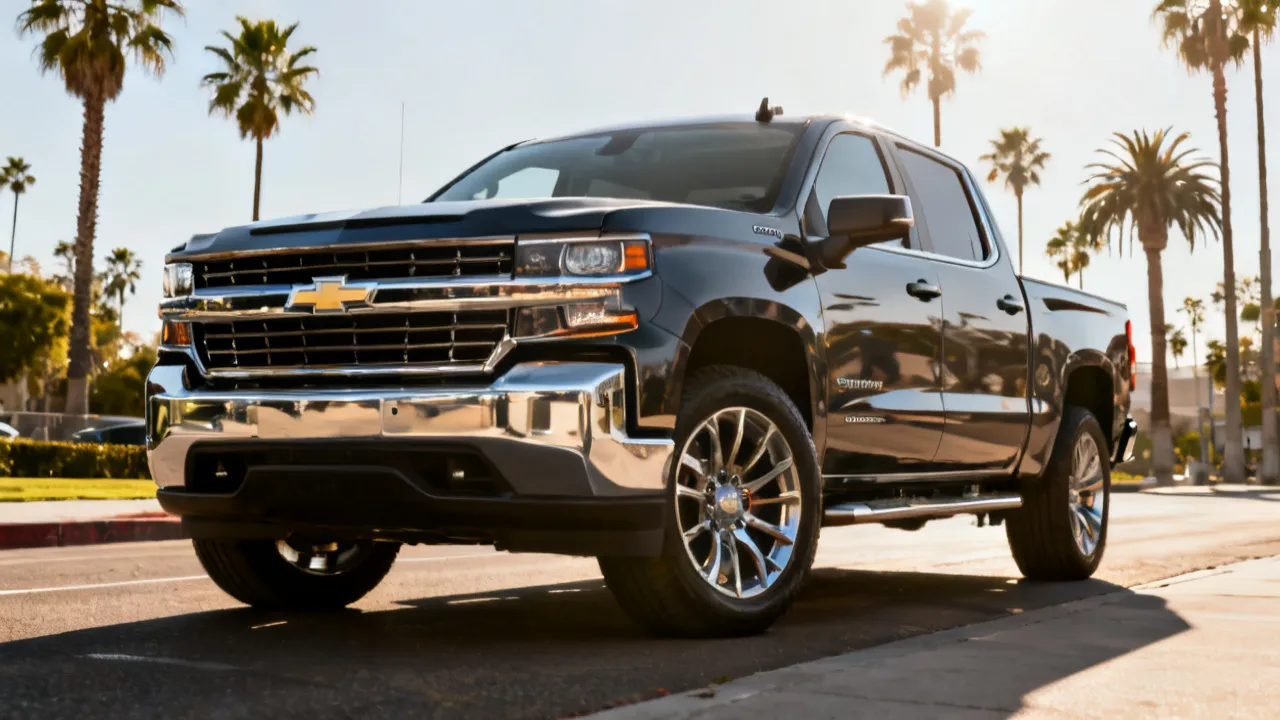
Chevy Silverado Manteca Edition Buying Guide
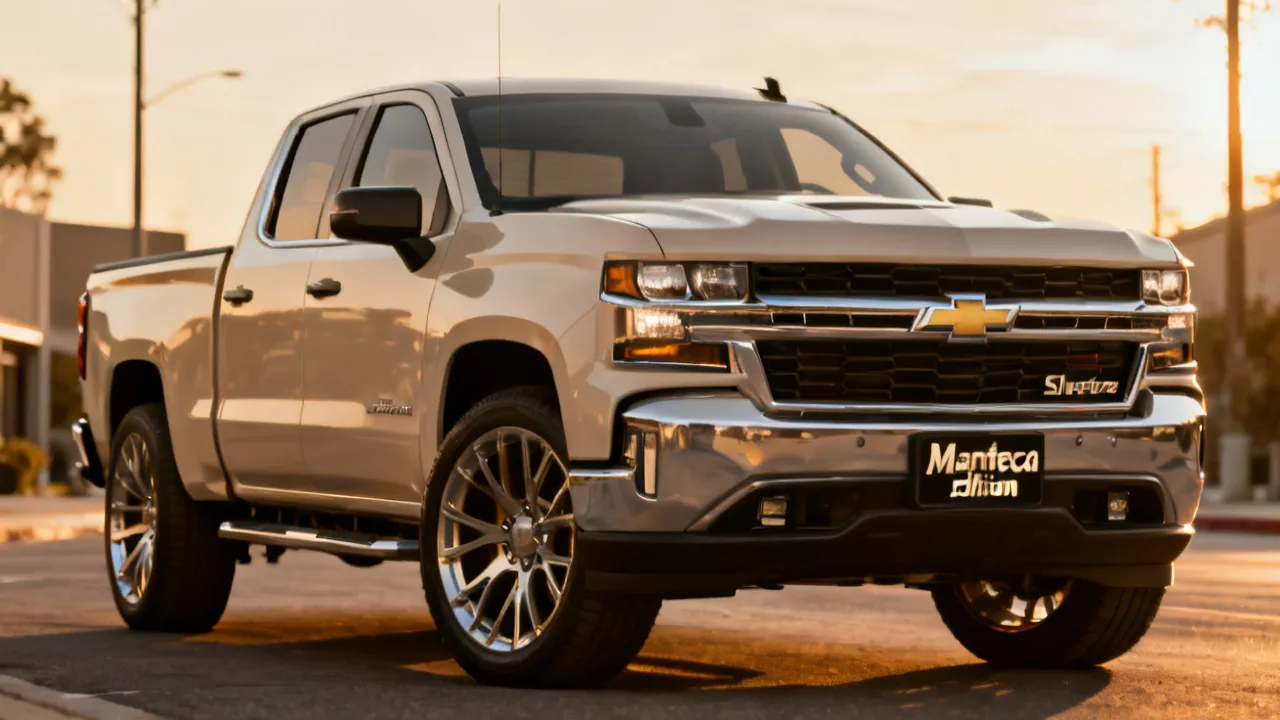
Chevy Silverado Manteca Edition: What to Know Before Buying
This guide explains the Chevy Silverado Manteca Edition and helps buyers evaluate how the “Manteca” styling and package approach cost, availability, and suitability. Objectively, the Silverado line is built for work-ready capability and broad trim customization, so edition-specific features typically target appearance, convenience, and select hardware. Use the comparison and checklist to match your needs.
Chevy Silverado Manteca Edition Buying Guide and Analysis
This guide examines the Chevy Silverado Manteca Edition—how it’s positioned, what to evaluate, and how to compare real ownership costs before purchase. Objectively, the “Manteca Edition” naming reflects a market trim strategy, while Silverado heritage focuses on work-focused durability, broad parts availability, and configurability. Use these criteria to choose confidently based on your needs and local availability.
Chevy Silverado Manteca Edition: Buying Guide and Analysis
This guide breaks down what defines the Chevy Silverado Manteca Edition and how to evaluate one responsibly before purchase. Background context explains how trim-level editions, dealer inventory practices, and regional customer preferences shape availability. You’ll also find a structured comparison, requirements checklist, and expert FAQs focused on configuration, costs, and ownership considerations.
Chevy Silverado Manteca Edition Buying Guide
This guide explains how to evaluate the Chevy Silverado Manteca Edition before you buy, with an expert, objective checklist for trim selection, ownership costs, and practical requirements. It also provides background on what “edition” packages typically include, how pricing is structured, and how suppliers and local availability affect final decisions.
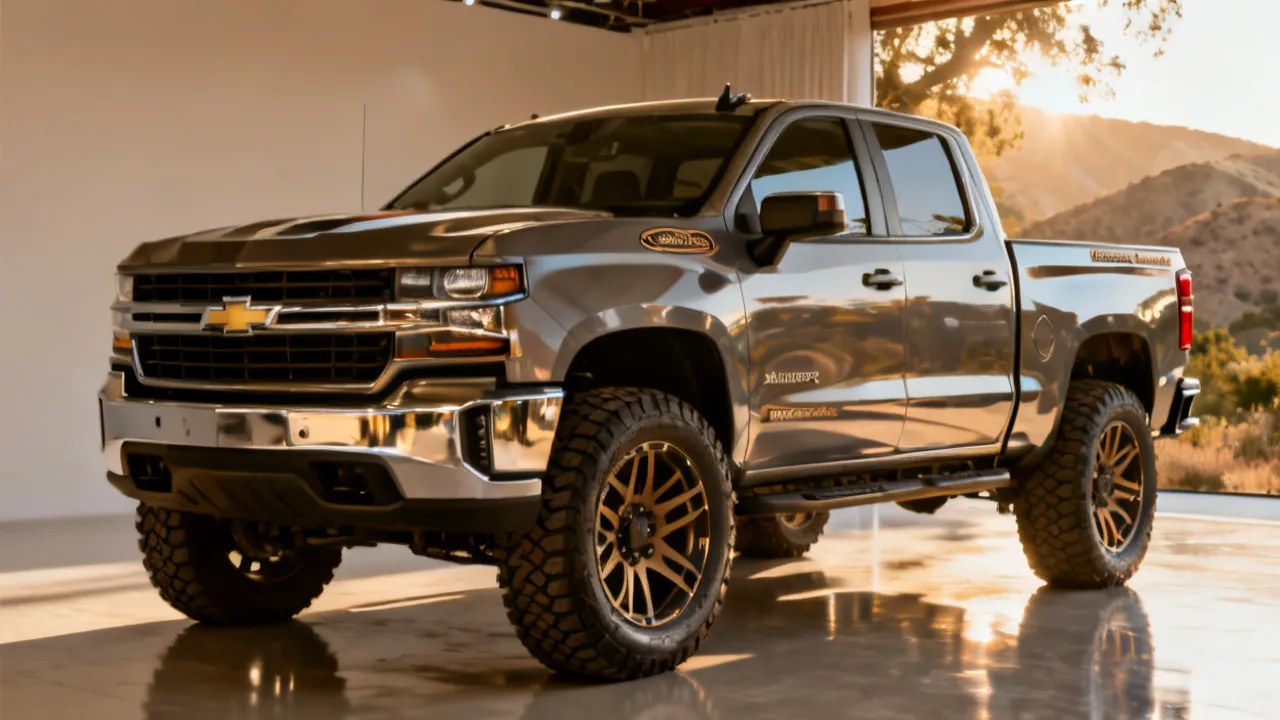
Chevy Silverado Manteca Edition: Value, Specs, Buying Guide
The Chevy Silverado Manteca Edition guide helps you evaluate pricing, supplier options, and real-world fit before you buy. Background context explains how limited trims, regional dealer inventories, and accessory packages influence total cost of ownership. The article also offers a comparison table, requirements checklist, and FAQs to support confident decision-making—without relying on hype.
Chevy Silverado Manteca Edition Buying Guide
This guide explains the Chevy Silverado Manteca Edition’s key specs, typical pricing factors, and how to evaluate suppliers before you buy. It gives objective background on what “Manteca Edition” usually implies in the market—trim-level presentation, appearance packages, and dealer-installed options—so you can compare offers confidently and avoid mismatches.