This guide explains how to choose trucks for sale and instalment plans with clear decision criteria, from financing terms to total cost of ownership. It also provides objective background on what “instalment” typically means in commercial vehicle procurement, common documentation, and how suppliers structure payments to manage risk.

When you’re comparing Trucks for Sale and Instalment offers, the biggest mistake buyers make is focusing only on the monthly figure. Industry practice shows that the “right” truck is the one that matches your routes, payload needs, uptime targets, and financing conditions—so your cashflow stays stable while your total operating cost remains predictable.
Below, you’ll find an expert, objective framework for selecting a truck, evaluating instalment terms, and checking the requirements suppliers typically apply. Whether you’re buying a distribution rigid, a tractor unit for long haul, or a used truck for mixed regional routes, the decision logic is similar: confirm vehicle suitability, verify documentation, understand repayment mechanics, and budget realistically for maintenance and downtime.
To make this practical, the article doesn’t just tell you “compare the right things.” It also explains why each factor matters, which questions to ask, what documents to request, and how to reduce the chances of ending up with a truck that is technically affordable on instalments but expensive (or risky) to run.
In many commercial vehicle markets, “instalment” refers to a structured repayment plan where the buyer pays a series of scheduled amounts over an agreed period. In practical supplier terms, the instalment plan may be paired with a deposit, an ownership transfer arrangement, or a contract period that defines responsibilities (maintenance standards, insurance, and vehicle condition).
Crucially, the instalment amount alone rarely reflects:
Therefore, for Trucks for Sale and Instalment decisions, you should treat instalment terms as one component of a broader affordability model, not the full picture.
To understand “true cost,” you want to separate what is financial (repayments, deposit, charges) from what is operational (fuel, tyres, servicing, downtime). A truck can be cheap to buy but expensive to keep, while another truck may cost more upfront and on instalments but deliver lower per-kilometre costs due to drivetrain efficiency, parts durability, and simpler maintenance.
From an industry standpoint, value is the combination of procurement price, financing structure, vehicle lifecycle cost, and operational performance. A structured comparison helps you avoid mismatched offers—such as paying for engine features you won’t use, or choosing a gearbox ratio that doesn’t fit your route profile.
Consider the following expert evaluation layers:
Whether you pay outright or through an instalment plan, the vehicle’s suitability is the anchor. What changes is how financial risk is allocated and how the contract may impose conditions.
In instalment purchasing, buyers typically accept more contractual structure—such as required insurance, agreed vehicle upkeep, and documentation obligations. Outright purchases can reduce financing complexity, but they may require more capital at the start, affecting working capital for fuel, wages, inventory, and repair reserves.
Think about the difference in “decision pressure.” Instalment buyers often feel pressure because the monthly amount becomes the headline number. Outright buyers may feel pressure because they must protect cash at the beginning. In both cases, the correct response is the same: plan the cash lifecycle, not just the price tag.
For example, a buyer choosing an instalment plan must ensure that the vehicle’s expected revenue can cover: (1) instalment payments, (2) routine maintenance, (3) fuel and driver costs, and (4) contingency for unexpected breakdowns. If your operation is seasonal, it’s also important to ask whether instalments are fixed or can be structured to reflect low and high demand months.
Reliable suppliers generally help you move quickly, but due diligence still protects your investment. For Trucks for Sale and Instalment, ask for written documentation before committing to any payment schedule.
Expect to review:
In practice, buyers sometimes sign quickly and only later discover missing elements such as: (a) warranty that starts later than delivery, (b) insurance that requires certain endorsements and higher premiums than expected, (c) inspection items that were “verbal promises” rather than written remedial works, or (d) end-of-term condition standards that can lead to significant deductions from the deposit or to extra costs.
To avoid these issues, treat every promise—verbal or implied—as something that needs to appear on paper somewhere: the contract, a schedule, an invoice, a warranty document, or an inspection sign-off sheet.
The following table is designed to help you compare offers objectively. Do not treat it as a universal template—always confirm with your supplier and finance provider, as terms vary by truck category, supplier policy, and local regulations.
| Category to Compare | What to Check | Why It Matters |
|---|---|---|
| Deposit and payment start | Deposit amount, timing, and whether payments begin at delivery or contract start | Impacts cashflow and effective affordability from month one |
| Repayment structure | Fixed instalments vs. variable schedules, any balloon component | Controls good risk and end-of-term obligations |
| Finance charges (if applicable) | How charges are calculated and whether they are included in the instalment quote | Determines true cost versus advertised monthly amounts |
| Vehicle condition at handover | Inspection report, agreed remedial works, and acceptance criteria | Reduces the chance of paying instalments while repairs are pending |
| Warranty or coverage scope | Duration, coverage limits, and claim process | Protects against unexpected drivetrain or major component costs |
| Insurance obligations | Minimum cover, required endorsements, and who pays claims | Ensures instalment approval and prevents coverage disputes |
| Maintenance expectations | Whether service history is required and what maintenance intervals apply | Helps avoid breach scenarios and protects vehicle reliability |
| Return or end-of-term conditions | If the contract includes end-of-term buyout, return standards, or penalty clauses | Clarifies your exit strategy and final cost |
A good instalment contract usually does three things clearly and fairly:
In contrast, problematic contracts tend to hide key variables in “fine print” that becomes expensive later: unclear maintenance obligations, broad exclusions from warranty coverage, or end-of-term condition deductions without objective measurement standards.
When reviewing a contract, ask yourself: “If something goes wrong, will I know what to do, and will I be able to prove what was promised?” A contract that answers those questions clearly tends to be less risky.
Very instalment purchases—especially for commercial vehicles—are assessed based on risk, vehicle value, and the buyer’s ability to maintain repayment reliability. While the exact requirements differ, the conditions below commonly appear in supplier or finance partner processes.
| Requirement/Condition | Typical Buyer Evidence | What Suppliers Use It For |
|---|---|---|
| Identification and company details | Valid business registration, identity documents for responsible officers | Verification and contractual accountability |
| Creditworthiness assessment | Credit history or financial statements where relevant | Repayment risk evaluation |
| Down payment capability | Proof of funds for deposit, or approved financing options | Reduces risk and demonstrates commitment |
| Insurance confirmation | Insurance quotation/coverage details compliant with contract terms | Asset protection during the term |
| Vehicle acceptance and inspection | Inspection report and readiness checklist | Prevents disputes after delivery |
| Maintenance compliance | Planned service schedule, maintenance history access | Preserves residual value and reliability |
Many buyers treat the listed requirements as a checklist to “get approved.” While approval matters, the more important goal is to ensure that the truck performs and that the instalment structure won’t create financial stress during routine operations.
So, beyond what suppliers ask for, consider these additional checks:
These checks help you avoid an all-too-common scenario: the truck arrives, instalments start, and then performance or maintenance needs disrupt your operation—creating missed deliveries, overtime payments, and a cycle of financial pressure.
Use this practical sequence to move from shortlist to final agreement with fewer surprises.
In many logistics regions, fleets often operate around well-known commercial hubs—where suppliers, workshops, and parts networks cluster near industrial estates and highway interchanges. A practical consideration for buyers is whether the truck’s service ecosystem is local to your operational base.
When arranging a Trucks for Sale and Instalment purchase, you’ll generally benefit from confirming:
This is especially relevant for businesses that run tight schedules—where even a short service delay affects deliveries, driver overtime, and customer commitments.
Localization matters in less obvious ways too. For instance, local tyre availability, brake parts stock, and the skill level of technicians can strongly influence how long repairs take. A truck that is theoretically “warranty-covered” may still become expensive if warranty claims depend on shipping components from far away and leaving your truck out of service for weeks.
Even though instalments are financial, your operational decisions can make instalment affordability real or illusory. Below are several operational areas that commonly shift a truck’s real cost over time.
Fuel costs are often the largest variable expense for trucking businesses. While advertised fuel economy may look attractive, actual consumption depends heavily on how the truck is configured for the routes you run.
Key factors include:
When comparing trucks for sale and instalment, ask if the supplier can reference fleet benchmarks or at least explain how the chosen configuration supports your route pattern. If you cannot get comparable operational data, request a conservative fuel consumption assumption so your business plan won’t be based on optimistic numbers.
Tyres and brakes can quietly outpace the savings you thought you gained on instalments or purchase price. This is especially true when the truck is configured without fully accounting for your load, terrain, and driving style.
For tyres, the questions that matter include:
For brakes:
Because instalment buyers often experience financial tightness when unexpected expenses appear, it’s smart to treat tyres and brakes as forecasted recurring costs rather than “surprise events.” If the truck selection process ignores consumables, instalments may be affordable, but your operational margin can evaporate.
Many instalment arrangements require that you maintain the vehicle in line with specified service intervals. If you skip service or use non-approved parts, you might breach contract conditions or reduce warranty coverage.
Therefore, when purchasing under instalment, you should confirm:
From a buyer risk perspective, the biggest problem is not maintenance itself—it’s uncertainty. If you don’t know whether you can service the truck locally and still satisfy contract rules, you may unintentionally put the contract at risk.
Truck uptime is a business lever. If your truck is down, your instalments still continue. Uptime failures are therefore a financial risk multiplier.
When you evaluate “top value,” include:
Some fleets structure their procurement to reduce downtime by choosing suppliers who can provide rapid parts and service scheduling. If your operation is contract-driven (you deliver to specific customer timelines), uptime reliability may matter more than the smallest differences in instalment cost.
Finance terms are not just “legal.” They shape the effective affordability of the truck. Two offers with identical monthly payments can have very different total repayment amounts because of differences in:
To assess effective affordability, you want to calculate a “total cost of instalments” figure rather than relying on monthly numbers. Ask the supplier to provide:
This approach also helps you compare new vs. used trucks fairly. Sometimes a used truck with lower purchase price may still become more expensive if the instalment plan includes higher finance charges or if warranty coverage is weaker.
These examples aren’t about specific brands. They are about typical patterns that buyers experience when comparing instalment offers.
Suppose Offer A has a low monthly instalment but includes a significant final balloon payment. Offer B has a slightly higher monthly instalment but no balloon. If your business plan cannot reliably fund the balloon at the end, Offer A might appear cheap now but can become unaffordable later.
The buyer’s “true” question is: Can I reliably cover the final settlement without disrupting operations or requiring refinancing? If not, the cheaper monthly deal may create a future cashflow crisis.
Two offers might show the same monthly instalment because the contract duration differs. Offer A could run longer and thus accumulate more finance charges. Offer B could be shorter. Without checking the total payable figure, you may choose the wrong deal.
Therefore, you should always request a total repayment breakdown.
Offer A may include a warranty and partial maintenance coverage. Offer B may show a lower “price,” but after delivery it doesn’t cover key drivetrain components, or it excludes common parts. If a major component fails during the instalment term, you can lose savings quickly.
This is why warranty scope and maintenance expectations must be evaluated alongside the instalment schedule.
Buying used trucks under an instalment plan can be a smart way to reduce upfront spending, but it increases the need for due diligence. The risks are not just mechanical—they are also contractual.
For used trucks, buyers should pay attention to:
From a practical perspective, a used truck purchase is only “low risk” if you have strong documentation and an objective inspection process. Cosmetic condition is less important than mechanical condition and evidence that the truck was treated properly.
New truck buyers sometimes assume “new equals no risk.” While new vehicles reduce some risks, instalment contracts may still introduce obligations and conditions. You should still verify:
Also, even brand-new trucks can be configured incorrectly for your routes. A new truck with poor gear ratios, wrong axle setup, or mismatched spec can produce high fuel burn and heavy brake/tyre wear—costing you more than any financing difference.
Many buyers believe instalment terms are “fixed.” In practice, some elements are often negotiable, depending on supplier policy, vehicle value, and finance partner requirements.
Common negotiation areas include:
Negotiation is most effective when you have your operational math ready—meaning you can show what monthly payment level you can support, how much working capital you need, and what downtime buffer you require. Suppliers and finance partners respond better when you’re making decisions based on consistent risk reasoning rather than guesswork.
Instalment purchasing can be the right decision when managed properly. The aim is to reduce risk so the instalments function as cashflow smoothing rather than as a financial constraint.
Key risk-management actions include:
In fleet management, it’s common to think: “We can cover the instalment.” But a more resilient question is: “We can cover the instalment plus the expected operating costs plus the expected downtime risk.” That broader view protects you when the unexpected occurs.
You should prioritize the total package: operational fit plus the instalment structure. Monthly payment is important, but value is determined by total repayment, vehicle suitability, and maintenance and downtime expectations.
No. Suppliers differ in deposit requirements, repayment schedules, whether finance charges are embedded or shown separately, and what conditions apply for insurance, maintenance, and end-of-term outcomes.
Compare using a structured approach: total repayment structure (including any final settlement), written inspection outcomes, warranty scope, and realistic total cost of ownership drivers such as fuel and service history.
Request written vehicle identification, service or maintenance records (for used trucks), inspection reports, warranty terms, insurance requirements, and the full instalment schedule including any conditions or end-of-term clauses.
Often you can negotiate specific elements such as deposit size, contract duration, or planned service bundles. Final terms depend on supplier policy, vehicle value, and risk assessment by finance partners.
That is why acceptance criteria matter. Ensure any required repairs are agreed in writing prior to delivery or clearly covered under warranty. Document inspections and confirm timelines for remedial works.
It can be, provided you have strong service history, a transparent inspection process, and clear warranty or coverage terms. Used purchases under instalments require extra attention to component wear and residual risk.
Align payment timing with revenue cycles, budget a contingency for tyres and maintenance, and avoid committing to a repayment structure that leaves no margin for operational disruptions.
No. For trucking performance and cost, you should also consider torque characteristics, gearing, intended payload, and route terrain. Horsepower figures alone rarely predict fuel efficiency or brake/tyre wear. A truck matched to your routes tends to deliver better total value.
Check the contract for early settlement or transfer clauses. Some contracts allow early payoff with reduced finance charges; others may include penalties or require specific administrative steps. Before you sign, clarify whether you can transfer the contract, trade in the vehicle, or exit early without a major financial hit.
Commercial truck procurement is rarely a simple “buy and drive” decision. Trucks operate in harsh, high-load environments where component wear accumulates quickly—especially on braking systems, tyres, suspension parts, and drivetrain elements. Procurement choices therefore influence not only purchase cost but also maintenance cadence and vehicle availability.
Additionally, financing arrangements add contractual considerations. Instalment purchasing can smooth cashflow, but it also introduces conditions tied to vehicle upkeep, insurance, and contract compliance. A mature procurement process uses documentation, inspections, and TCO modeling to make the purchase auditable and less dependent on assumptions.
In other words: the financial decision (instalments) and the operational decision (spec and maintenance) are inseparable. The truck you choose determines the operating costs and downtime risk; the instalment terms determine how exposed you are to those risks.
To decide responsibly, you can build a simplified monthly operating model. This isn’t a perfect accounting exercise; it’s a budgeting tool that improves decision quality.
Start with these monthly components:
Then compare trucks and instalment deals on the basis of “margin after costs,” not simply affordability of the instalment. If you don’t have sufficient margin, you’re likely to experience payment stress when even a single month is disrupted.
This approach also helps you decide whether to negotiate for service coverage or warranty scope to reduce operational uncertainty. If the contract doesn’t include a maintenance bundle, you might consider whether the difference in instalment cost is worth the extra cost of maintaining the truck yourself or paying for repairs without coverage.
To ground the guidance in widely used industry practices, this article draws on general principles commonly reflected in commercial vehicle financing and fleet management standards. For broader context on vehicle lifecycle costs and maintenance considerations, readers may consult:
If you share your target truck type (rigid, tractor unit, box, tipper, tanker), intended routes, and whether you’re considering new or used inventory, I can help you translate these decision rules into a tighter shortlist and a comparison checklist tailored to your scenario.
Trucker Payroll: Compliance, Deductions, and Top Practices

Trucker Payroll: A Practical Guide for Accurate Pay
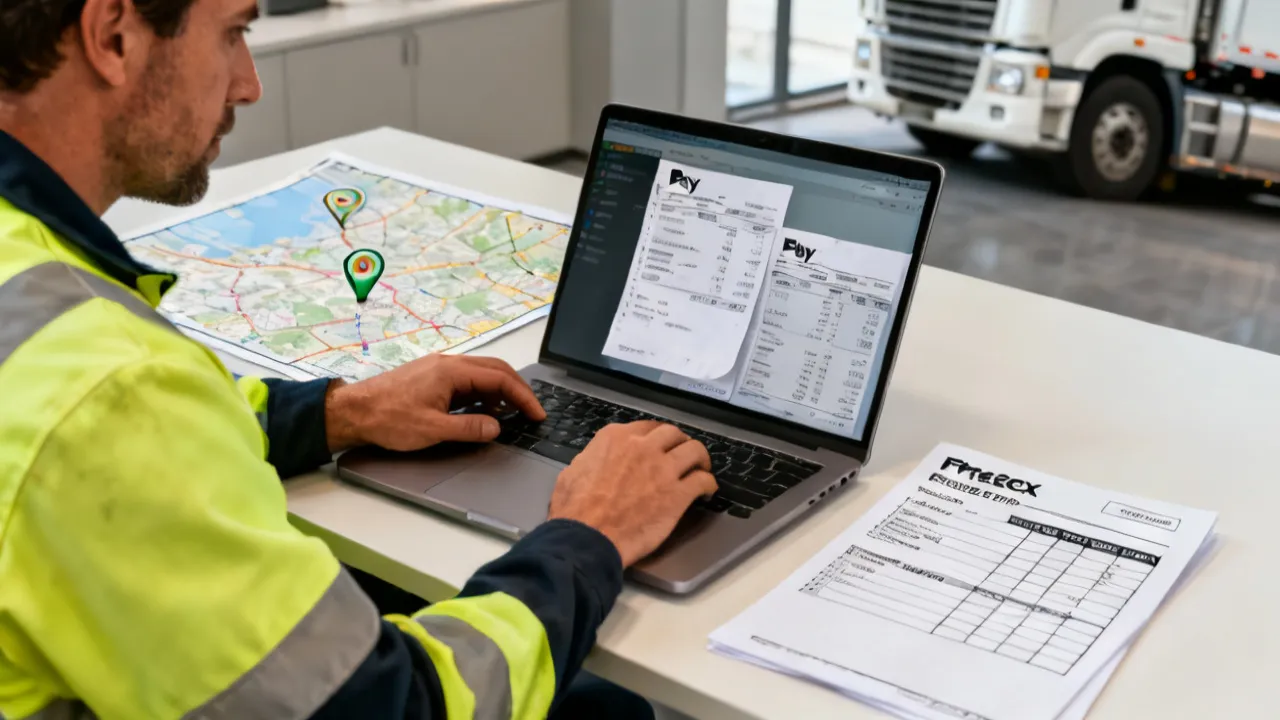
Trucker Payroll: Compliance, Accuracy, and Top Practices

Mastering Trucker Payroll for Accurate Fleet Compensation

Modern Trucker Payroll Practices for Fleet Compliance

Trucker Payroll Management: Rates, Compliance, Top Practices

Trucker Payroll: Compliance, Costs, and Top Practices

Trucker Payroll: Compliance, Costs, and Top Practices

Trucker Payroll: Compliance, Costs, and Payment Accuracy

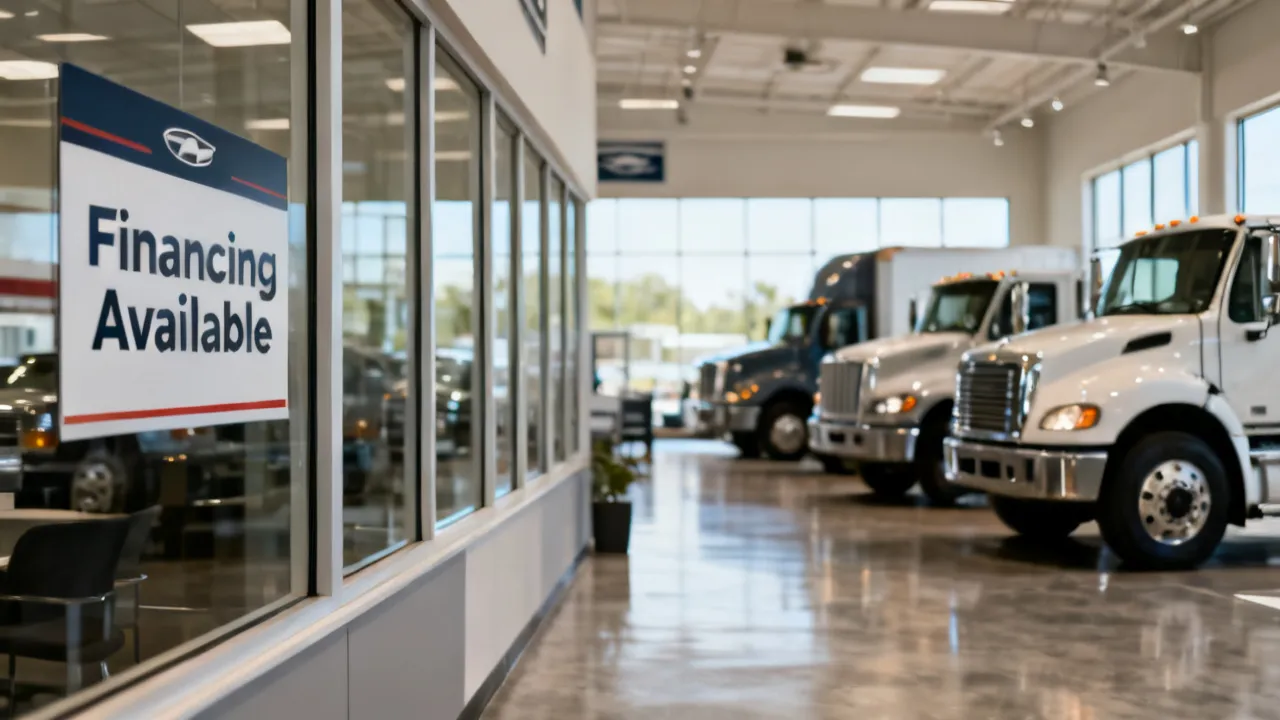
Choosing Trucks for Sale and Instalment Options
This guide explains how to choose trucks for sale and instalment plans with clear, practical steps and expert checks. It covers how instalment payments affect total cost, which truck specs matter by duty cycle, and how to evaluate suppliers objectively. Background sections outline common financing structures and compliance considerations for buyers.
Trucks for Sale and Instalment: Buying Guide
This guide explains how to choose trucks for sale and instalment plans with clear decision criteria, from financing terms to total cost of ownership. It also provides objective background on what “instalment” typically means in commercial vehicle procurement, common documentation, and how suppliers structure payments to manage risk.