Vehicle Availability determines how quickly you can match your preferences with a car on sale, especially when inventory shifts day to day. This guide explains how to assess listing volume, verify dealer details, and evaluate offers across reputable platforms. It also outlines practical steps to find and buy a cheap car while managing inspection, financing, and transfer requirements—using objective, widely used online resources as references.

If you want to buy a car efficiently, your first decision should be rooted in Vehicle Availability. Inventory is not static: models move in and out of stock, new listings appear, and temporary shortages can affect both price and choice. In practice, buyers who understand availability patterns can compare options faster, confirm condition and paperwork earlier, and reduce the risk of chasing listings that have already been sold.
From an industry perspective, “availability” is more than the number of listings you see online. It also includes whether the vehicle is actually ready for pickup, whether the dealer has confirmed mileage and condition, whether a vehicle history report is available, and how quickly a seller can finalize financing or transfer steps.
In other words, two cars might both show as “for sale,” but only one can realistically be test-driven tomorrow and purchased this week. That difference is what Vehicle Availability is really about: the gap between what appears online and what you can actually secure in real time. If you build your plan around that gap—rather than around hopes, assumptions, or outdated listing details—you make the whole buying process calmer, quicker, and typically more cost-effective.
When car shoppers search “car on sale,” the results page typically reflects current inventory feeds from dealers and marketplaces. However, that feed may lag behind reality. The very common buyer friction points relate to:
For a credible purchase decision, you should treat Vehicle Availability as an active variable. Confirming details quickly can protect your negotiation position and save time.
But the “why” goes deeper than convenience. Vehicle Availability affects your leverage. If a car is scarce and in high demand, the dealer knows the vehicle may sell quickly, and they can be less flexible. If a car is lingering because it’s not ready yet or has complications (title delays, pending repairs, missing documents), then the dealer may need to move it and become more open to negotiation. Either way, availability is information—and information is power.
It also affects your risk exposure. If you travel to view a car that turns out to be unavailable, you lose time, and you may miss the chance to inspect other vehicles that were truly available. In many cases, the “availability mismatch” isn’t deliberate; it’s simply the result of the dealer’s workflow—reconditioning bays are booked, titles are still processing, and some departments are slower than the listings feed. Understanding this helps you ask the right questions so you don’t get stuck mid-process.
Reputable platforms help you compare listings across multiple sellers. Below is a comparison of official or widely used car trading websites referenced for inventory listings. This table is designed to help you understand how each source typically supports Vehicle Availability research.
| Website | What it’s commonly used for | Inventory/offer style |
|---|---|---|
| cars.com | Shopping across many dealer listings and frequently updated vehicle pages | Broad marketplace coverage; supports comparisons |
| carmax.com | Curated used inventory with structured buying steps | Dealer-style availability with standardized process |
| caronsale.com | Discovery of vehicles offered for sale through its platform listings | Listing-based discovery; verify availability quickly |
| autotrader.com | Find vehicles across sellers and compare listing details | Marketplace inventory; requires verification call |
source: www.cars.com, www.carmax.com/cars, www.caronsale.com/en, www.autotrader.com (sources of information for the referenced platforms)
Across these sites, you’ll typically find that the “cars on sale” listings reflect current dealer inventory. Still, availability can change rapidly. The strongest buying approach is to confirm live stock with the seller the same day you shortlist a vehicle.
To make this practical, treat these platforms as your first filter—not your final confirmation. The best workflow is usually: (1) shortlist using the platform’s filters, (2) contact the seller quickly, and (3) only then plan an inspection or test drive. Many buyers lose time by reversing this order: they schedule travel based on a listing without verifying whether the car is still physically on the lot or still under a hold.
When you evaluate a specific car, prioritize items that directly affect whether Vehicle Availability translates into a successful purchase:
These items act like “availability signals.” If they are missing, unclear, or inconsistent, you should consider that the car might not be as immediately purchaseable as it appears.
To sharpen your evaluation, look beyond the obvious. Here are additional listing cues that often correlate with true availability:
Vehicle Availability isn’t only about whether the car exists—it’s also about whether the seller can stand behind what’s being sold. Documentation quality and clarity often predict how smoothly the transaction can proceed.
Professional buyers rarely start with price alone. They create a short-list based on availability constraints—like distance, pickup timing, and whether the seller can complete the sale quickly. Then they negotiate with facts.
Here is a structured method commonly used by experienced automotive advisors:
To make this approach even more effective, you can build your short-list in layers:
This layered process prevents you from getting “emotionally attached” to a listing that cannot actually be purchased when you want.
“Cheap” is a relative concept. In credible buying strategies, the goal is to reduce total cost of ownership and avoid expensive surprises—not simply to chase the lowest headline price. Vehicle Availability helps you do that by narrowing decisions to what’s actually available now.
In most markets, the cheapest cars on sale are not always the ones with the lowest tag—they’re often the ones that are currently under-competitive due to workflow delays, documentation issues, or minor defects that buyers overlook. When you use Vehicle Availability correctly, you can identify these “real bargains” while avoiding cars that are cheap because they’re risky or difficult to buy.
To keep “cheap” from turning into “expensive later,” you should connect Vehicle Availability to your inspection and financing timeline. If a seller can’t provide documents quickly or can’t schedule inspection promptly, you might face additional costs—like paying to rent a vehicle while waiting, losing a preferred interest rate, or being forced into a less favorable financing structure.
Additional pitfalls often connected to availability include:
In a good deal, the seller’s ability to complete the sale matches the advertised terms. Vehicle Availability is the mechanism that tells you whether that match exists.
Inventory timing affects your options. If a listing has been on a marketplace page for a longer period, it may indicate a higher chance of negotiation—though it could also reflect legitimate issues. Conversely, if a vehicle is newly listed and popular, it may sell quickly, leaving limited time to inspect.
From a market standpoint, your top practice is to avoid negotiating based on guesswork. Instead, tie price discussion to:
Inventory timing is not just “how long the ad has been up.” It’s about where the vehicle is in the dealer’s internal pipeline:
When you align your negotiation strategy with this pipeline reality, you stop wasting energy arguing over price without context.
It’s tempting to rely on dramatic “discount” narratives, but objective buying focuses on whether the offer is fair compared to comparable vehicles. A credible approach is to evaluate:
Where possible, compare using multiple reputable sources and ensure the comparisons match the same vehicle class and specification.
Vehicle Availability connects to “deal value” in a unique way: a slightly higher price can be a better deal if the car is immediately available, has complete documentation, and requires fewer delays or repairs to become usable. Conversely, a “low price” can be a weak deal if the seller cannot provide the title quickly, if it’s missing key items, or if the car’s condition creates future costs.
To make this practical, calculate not just the purchase price but the expected timeline cost. Consider:
In short: deal value is not only about “is it cheaper than average?” It’s also about “how predictable is it to complete the purchase at that price with minimal friction?” Predictability is often a direct reflection of Vehicle Availability.
Imagine you’re targeting a practical daily driver. You search reputable marketplaces and find several cars on sale with the right mileage range in “nearby” locations. Your plan might look like this:
This workflow reduces the risk that the vehicles you liked are no longer available by the time you arrive.
Now expand the example with more realistic details. Suppose two cars match your budget and specs:
In many cases, Car B is the better deal even if Car A looks cheaper on the listing, because the timeline cost and risk are lower. Vehicle Availability helps you see this distinction early—before you commit travel time, time off work, or a financing process.
Some buyers treat availability questions too generally. A simple yes/no answer may not capture the real constraints. The goal is to learn whether the car can be bought on your timeline without surprise problems.
Here’s a practical set of questions that directly supports Vehicle Availability:
Asking these questions quickly usually gets you a “readiness snapshot.” It also forces the seller to provide clarity early, which improves your ability to negotiate and schedule without wasted effort.
False availability occurs when a listing appears active but cannot be fully purchased as described. This can happen for several reasons:
You can reduce false availability risk by combining confirmation methods:
False availability is usually not malicious, but it can be costly. The best defense is speed: shortlist quickly, verify quickly, and plan inspections only after confirmation.
Availability doesn’t end at whether the car exists. A vehicle might be available but still hard for you to access due to logistics. That’s why Vehicle Availability is “practical” as the opening phrase suggests.
Consider the real logistics that affect your timeline:
For buyers using transportation flexibility (like commuting or having limited time off), logistics becomes part of the availability equation. A “slightly worse” listing might become the better buy if it’s available immediately and manageable on your schedule.
A common mistake is negotiating too early (based on a listing) or too late (after investing in travel and inspection). Vehicle Availability helps you find the right timing to negotiate.
Here’s a practical negotiation timeline that aligns with availability reality:
When a vehicle is truly available and ready, you often have leverage because the seller wants the sale completed quickly. When a vehicle is delayed or not fully ready, your negotiation leverage may differ: the seller may be more open to adjustments because they’re trying to eliminate uncertainty, or they may keep firm if the car is already promised to another buyer.
Either way, availability determines what kind of negotiation position you have.
Vehicle Availability becomes much more valuable when paired with a documentation-ready checklist. A car might be physically available, but if documents are incomplete, it can stall your purchase.
Create a checklist that you ask the seller to confirm:
This checklist supports Vehicle Availability because it ties readiness to actual transaction documents. When a dealer has these items organized, you can reduce uncertainty and speed up closing.
Many buyers evaluate total cost only in financial terms: interest rates, monthly payments, and fees. But total cost also includes friction costs created by availability issues.
Here are typical cost drivers connected to Vehicle Availability:
When you treat Vehicle Availability as a first-order factor, you often reduce these “hidden” costs. That is why it’s a practical starting point. It helps you buy with less stress and fewer financial surprises.
Not everyone shops the same way. Vehicle Availability should be adapted to your personal buying style.
If you need a car urgently—because your current vehicle is down or your lease ends soon—availability is even more important than price. Your goal is to secure a ride with minimal delay.
Strategies:
If you’re the type who wants to compare multiple options and inspect thoroughly, availability still matters—because it changes how you can schedule inspections and how quickly you must decide.
Strategies:
For budget buyers, Vehicle Availability can help you find “cheap but safe” deals. The key is to avoid choosing solely by headline price when availability is uncertain.
Strategies:
Across all buyer types, availability acts as the gate that determines whether your plan is feasible.
Vehicle Availability becomes clearer when you recognize common scenarios you’ll encounter. Here are typical scenarios and what you should do in response.
Action:
Action:
Action:
Action:
Action:
Another practical point: more options doesn’t always help. When inventory changes quickly, having too many options can waste time and weaken your decision-making. Vehicle Availability supports a discipline: keep enough options to compare, but not so many that you can’t verify them quickly.
A practical rule for many buyers:
This approach saves money indirectly by preventing rushed purchases and reducing wasted visits.
Comparing price across multiple “cars on sale” listings is easy; comparing risk and readiness is harder. Vehicle Availability gives you an anchor so you don’t compare apples to unavailable oranges.
To compare fairly, ensure that each listing you compare meets a similar “availability standard,” such as:
If one car is cheaper but requires a long wait for title or cannot be inspected, you’re comparing a low price against a higher risk/time cost. Vehicle Availability helps you incorporate that difference into your “deal” evaluation.
It refers to whether the vehicle is truly in stock and ready to be purchased—considering factors like live status, hold status, readiness for test drives, documentation readiness, and realistic pickup logistics in your “nearby” area.
They are widely used marketplaces and dealer platforms that help consumers discover listings. Reliability depends on verifying the specific vehicle details directly with the seller, because listings can change quickly even when the page appears active.
Use Vehicle Availability to shortlist vehicles that are genuinely accessible, then focus on verifiable criteria: service records, vehicle history documentation if available, pre-purchase inspection, and clear out-the-door pricing.
Ask: whether the vehicle is currently available for test drive, whether it is on hold or pending sale, when it will be ready for pickup, and what documents (history report, service records, inspection notes) can be provided.
It’s often top to negotiate after you have meaningful inspection information or at least documented condition evidence. You can still begin discussions early, but avoid finalizing price based only on headline listing details.
Differences in trim level, mileage, condition, accident history, title status, and included fees can materially change the true cost and risk. “Deal” value comes from the full package, not the sticker price alone.
Confirm title/transfer readiness, verify inspection plan, understand the out-the-door cost, ensure you receive a complete paperwork package, and confirm any warranties or return/coverage terms offered by the seller.
To truly benefit from Vehicle Availability, incorporate it into how you manage your search day to day. Many buyers treat shopping like a one-time event—browse today, call tomorrow, inspect next week. But availability moves on a daily rhythm, especially for popular trims, high-demand colors, or well-maintained vehicles. If you treat availability as “set and forget,” you risk losing the best matches.
A practical routine could look like this:
This routine improves decision quality and reduces stress. It also makes negotiation more grounded because you’re negotiating on cars that you have verified as genuinely available.
One of the most important moments in car buying is when you must decide whether to act immediately or gather more information. Sellers may offer a hold, but the details matter. A hold that isn’t real—or that has strict conditions you can’t meet—doesn’t protect you.
When discussing holds, ask clarifying questions:
Vehicle Availability is essentially about risk management. A proper hold reduces the risk that your top choices disappear while you finalize your plan.
A car can be physically present, but if documentation is missing or incomplete, the transaction can stall. Many buyers focus on mileage and condition, but documentation readiness is also part of Vehicle Availability because it affects how quickly you can complete the purchase.
For example:
Documentation readiness helps you negotiate confidently because it reduces guesswork. When documents are available quickly, you can move forward with less friction.
Even after a seller confirms “available,” your final confidence should be based on inspection findings. Inspection results are part of completing availability: they determine whether the vehicle is truly fit for your goals and whether the deal needs adjustments.
A good process:
This is where Vehicle Availability becomes more than a first step: it becomes a continuous thread from listing to inspection to signatures.
Vehicle pricing and vehicle availability dynamics are influenced by inventory cycles, demand shifts, and regional logistics. For broader context on used vehicle market dynamics, consumers can consult reputable industry publications and official research. While this article focuses on practical purchasing steps, maintaining awareness of market conditions can improve your timing and negotiation strategy.
1) The above information comes from online resources, and the data is as of October 2023.
2) For more information, please refer to the official website.
Reference links (and all links used in the article):
Understanding Vehicle Availability for Smart Rental Decisions
Vehicle Availability Guide for Informed Inventory Decisions
How to Manage Vehicle Availability for Rentals
Vehicle Availability Guide for Buying a Car Deal
Understanding Vehicle Availability for Smarter Fleet Planning
Understanding Vehicle Availability for Smarter Sourcing
Vehicle Availability: Expert Guide for Smart Planning

Vehicle Availability Guide for Smarter Fleet Planning
Vehicle Availability: How to Buy a Car on Sale
Vehicle Availability Guide for Buying a Car Deal
Vehicle Availability determines how quickly you can match your preferences with a car on sale, especially when inventory shifts day to day. This guide explains how to assess listing volume, verify dealer details, and evaluate offers across reputable platforms. It also outlines practical steps to find and buy a cheap car while managing inspection, financing, and transfer requirements—using objective, widely used online resources as references.
Vehicle Availability: How to Buy a Car on Sale
Vehicle Availability is the starting point for anyone shopping for a car on sale, because inventory levels, listing accuracy, and timing often determine what you can actually purchase. This guide explains how to use major official marketplaces—such as cars.com, Carmax, Car On Sale (Caronsale), and Autotrader—to locate available deals, verify listings, and evaluate price, history, and readiness to buy.
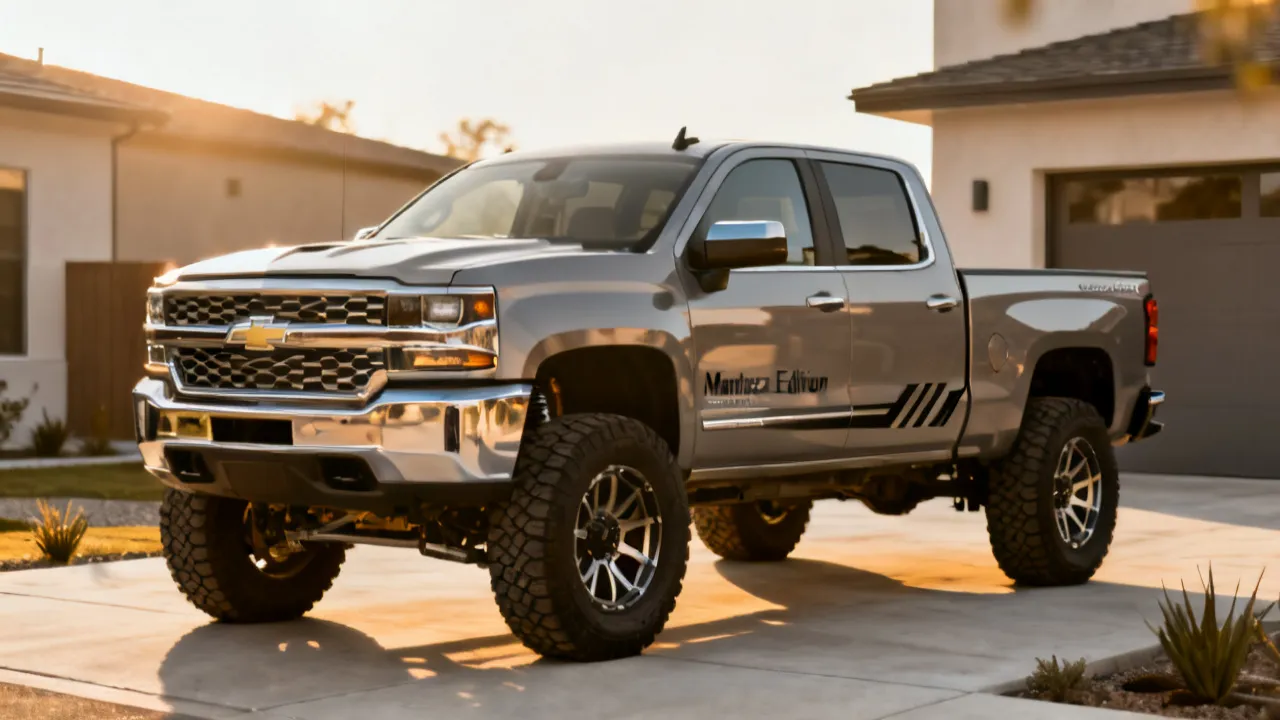
Chevy Silverado Manteca Edition: Buy Smart Guide
This guide explains how to evaluate and buy a Chevy Silverado Manteca Edition or comparable Silverado listings efficiently. The term “Manteca Edition” typically reflects a trim/package or locally marketed appearance theme, while “Chevy Silverado” denotes one of the very traded full-size pickup lines in North America. Background context covers how editions, pricing signals, and dealership inventories affect what buyers should verify before committing.
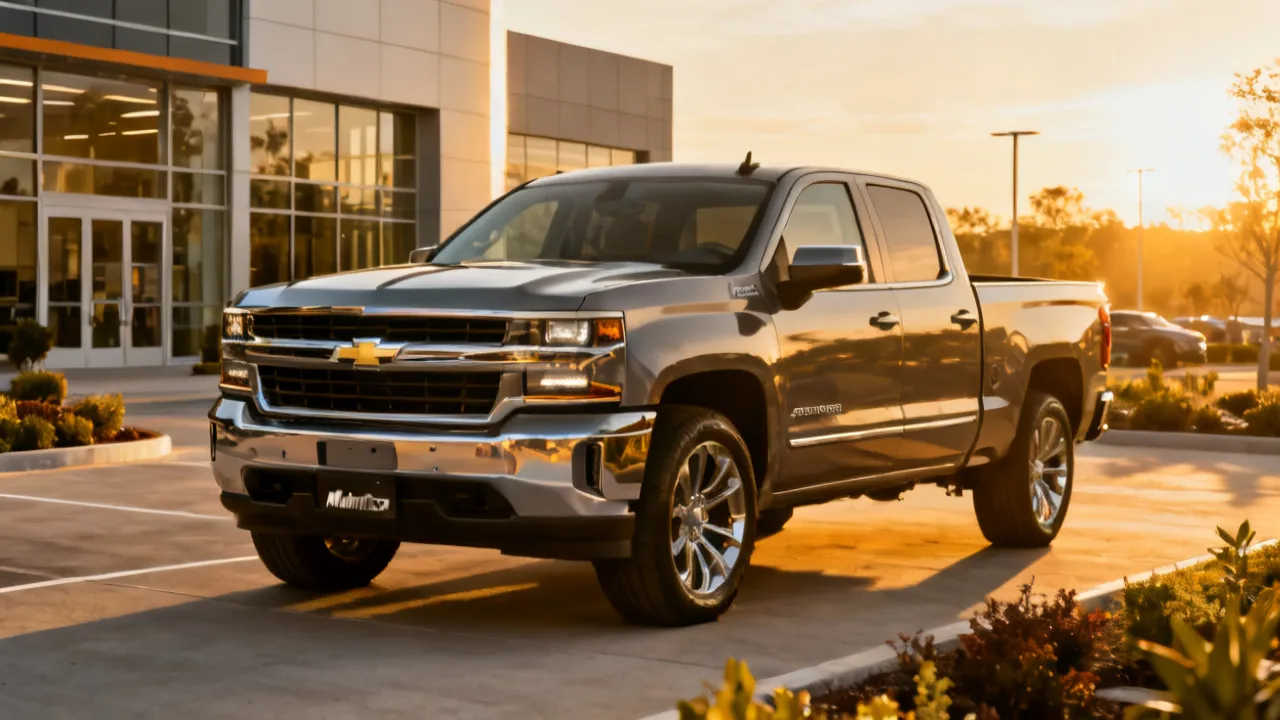
Chevy Silverado Manteca Edition: Buying Guide & Options
This guide explains how to evaluate the Chevy Silverado Manteca Edition and other Silverado models you may find on major car marketplaces, then shows practical steps to buy a cheap car on sale responsibly. The background covers what “edition” typically means, how pricing and availability vary by trim and condition, and why comparing listings across reputable dealers can reduce risk.
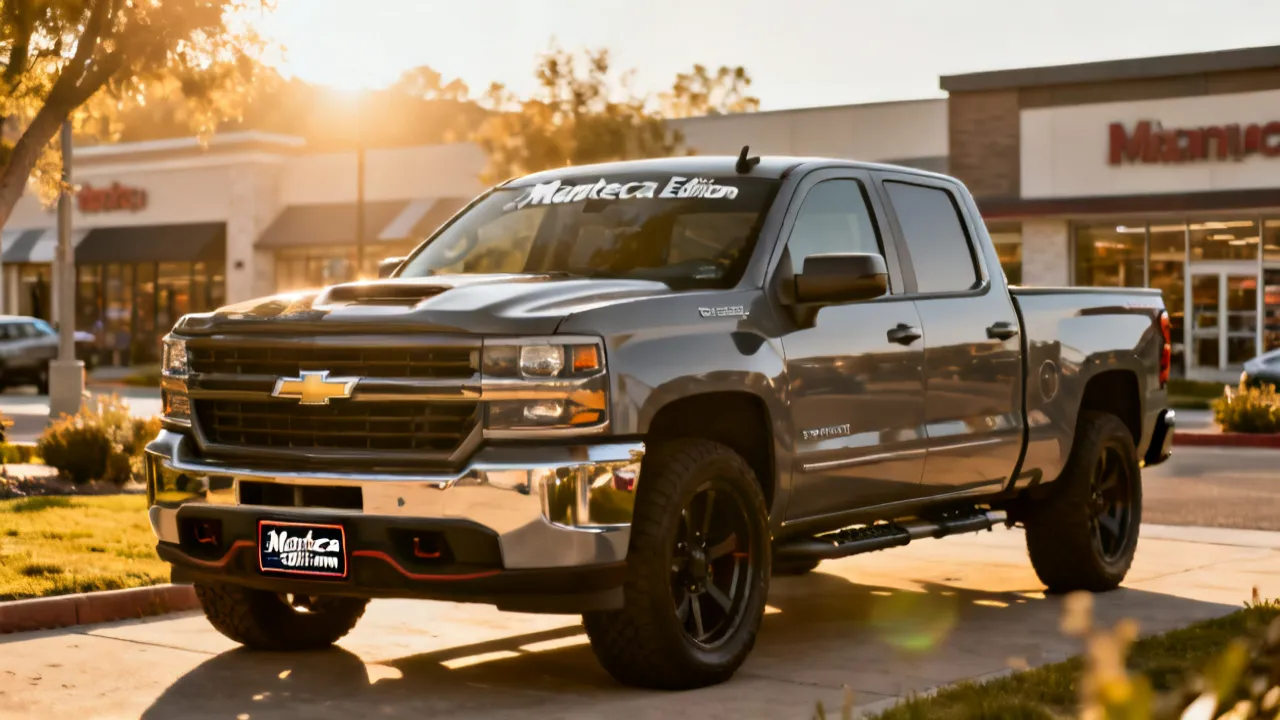
Chevy Silverado Manteca Edition Buying Guide
This guide explains how to evaluate and buy a Chevy Silverado Manteca Edition effectively, from identifying real inventory to comparing listings and verifying condition. Objectively, the “Manteca Edition” label typically refers to a trim-and-appearance package used by resellers or dealers, so shoppers should focus on build details, maintenance history, and pricing context rather than slogans. The guide also shows where to find listings online and how to confirm value.
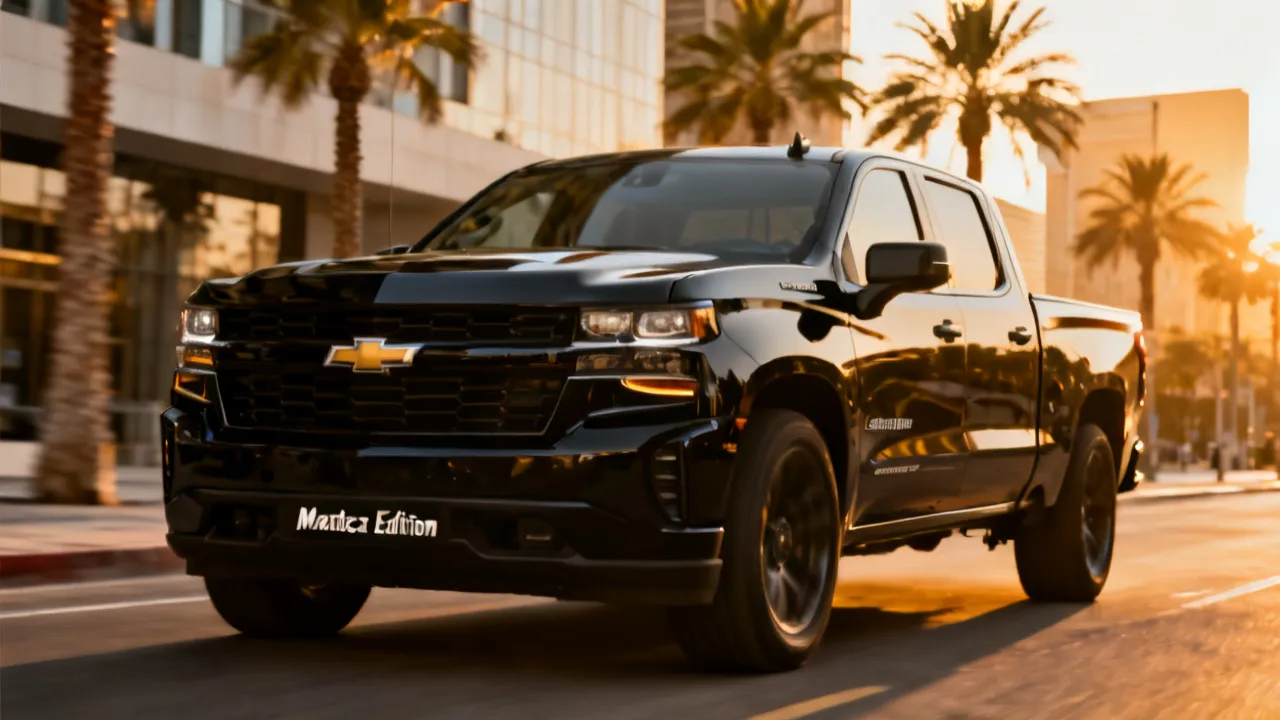
Chevy Silverado Manteca Edition Buying Guide
This guide explains how to research and buy the Chevrolet Silverado Manteca Edition efficiently—using reputable official trading platforms, setting a smart inspection routine, and comparing costs beyond the sticker price. Background: the Silverado line is known for capability and broad trims, while the “Manteca Edition” typically signals a styled package tied to local availability or dealer configuration. The top deals depend on inventory, condition, and financing terms.