This guide explains how to find trucks for sale and instalment plans, compare reputable listings, and estimate total costs before committing. It begins with objective background on keyword concepts—dealer inventories, financing structures, and eligibility factors—then moves to practical steps for spotting dependable offers, narrowing choices, and completing paperwork with confidence using established car trading platforms.
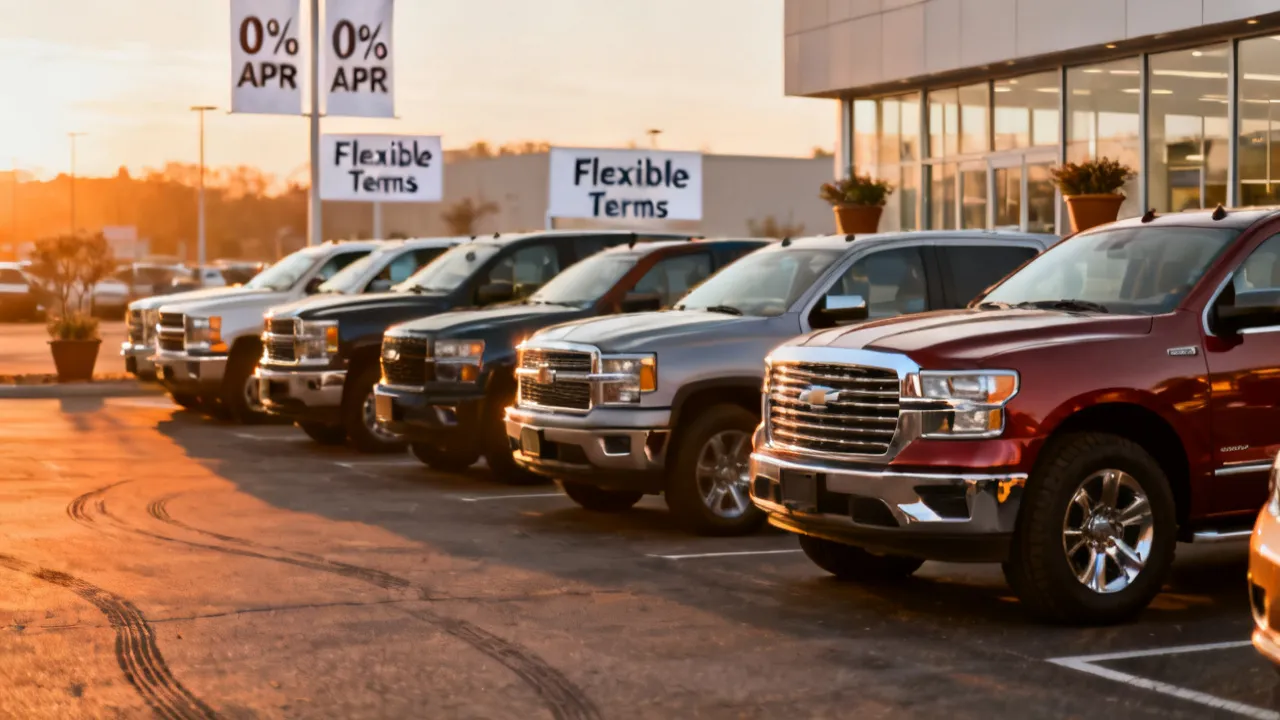
If you’re searching for Trucks for Sale and Instalment, the very important move is to compare total ownership cost—not just the monthly payment. Instalment plans can make a truck feel affordable at first, but the true cost depends on the interest rate, loan term, down payment, fees, insurance, and the condition of the vehicle. Industry practice is to build a cost picture before you test drive, request a trade-in valuation, or sign any paperwork.
To keep your decision grounded, treat every listing as a structured set of information: vehicle history and condition (for the truck), financing terms (for the instalment plan), and the dealer’s obligations around warranties, returns, or buy-back policies. Reputable car trading platforms—such as the major official marketplaces listed later in this article—help reduce guesswork by centralizing inventories and standardized listing details.
Overpaying with instalment deals usually doesn’t happen because buyers “can’t do the math.” It happens because buyers see one number—usually the monthly payment—and then stop thinking. In reality, the monthly payment is a result of multiple variables. If one variable is unfavorable (such as a high interest rate or a longer term), you can end up paying much more over the life of the loan even if the monthly number looked attractive.
So before you contact any seller, set your “decision system.” That system should force you to evaluate both sides of the deal at the same time: the truck’s value and the financing’s cost. When you do that consistently, you become harder to upsell and easier to approve for better terms—because you know which numbers you must compare and what questions you must ask.
The phrase “Trucks for Sale and Instalment” generally describes a situation where trucks are available through dealer inventory or curated resale listings, and the buyer can finance the purchase through an instalment plan (commonly an auto loan with monthly repayments). The key idea is that the price is not paid in a single transaction. Instead, the cost is spread across time, often with interest.
In very mainstream markets, instalment offers fall into recognizable categories:
Because the keyword combines “trucks” and “instalment,” a buyer’s attention should be split across two domains at once: the truck’s mechanical and operational suitability and the financing’s cost and flexibility.
Another reason this combined phrase can be confusing is that dealers and websites sometimes emphasize different aspects. Some listings may advertise monthly affordability. Others may focus on the truck’s specs, mileage, or year. Your job is to connect the two: find the truck that meets your usage needs and pair it with financing that doesn’t turn that truck into a long-term cost burden.
Finally, instalment buying can also influence your risk tolerance. If you plan to keep the truck for many years, a slightly higher upfront cost can be justified by lower risk and better long-term reliability. But if you expect to change jobs, move, or sell within a short time, you must evaluate early payoff, penalties, and how depreciation affects your ability to trade the vehicle later.
When comparing trucks for sale with instalment options, remember that trucks often carry higher usage expectations—towing, hauling, frequent heavy starts, and variable driving profiles. As a result, small mechanical issues can expand into expensive repairs more quickly than they might on a compact car.
From an industry perspective, buyers should prioritize:
Trucks also tend to have higher operating costs. For example, insurance for pickup trucks can be higher due to repair costs and risk profiles. Fuel consumption may be higher depending on engine size and driving style. Even routine service can cost more because of part sizes, specialized components, and labor access.
On top of that, truck owners often expect versatility. They want towing-ready hardware, adequate ground clearance, and a cab configuration that fits their everyday life. If the truck’s setup is “almost” right—like insufficient towing capacity for frequent loads—it may still feel fine at first. But over months, the mismatch can become expensive in indirect ways: more strain on components, more fuel use, and more wear.
Therefore, use your test drive and inspection to confirm not only whether the truck runs, but whether it runs the way it should run for how you actually drive. If the seller’s listing implies low maintenance or gentle use, try to validate that story with service history and physical wear patterns. If there’s no information, you should treat the truck as higher risk and negotiate accordingly or insist on an independent inspection.
In instalment purchasing, risk matters because mechanical problems do not pause for loan schedules. If a transmission issue appears shortly after purchase, you’re still responsible for monthly instalments while spending money on repairs. The best way to avoid that scenario is to treat the truck like the central asset and the financing like a tool—not the other way around.
Finding the right truck becomes simpler when you rely on established marketplaces that organize listings and publish structured information. Below is a comparison table of well-known platforms referenced for official or widely recognized car inventory searches.
| Platform | What it helps you do |
|---|---|
| cars.com | Browse extensive vehicle listings and compare dealer offers. |
| Carmax | Search used vehicles and review inventory details across regions. |
| caronsale | Explore listings through curated pages and navigation across categories. |
| autotrader.com | Locate trucks and financing-related information via aggregated dealer listings. |
Source of information:
source: www.cars.com; https://www.carmax.com/cars; https://www.caronsale.com/en; https://www.autotrader.com/ (source of information per provided references)
Using reputable platforms helps you in several practical ways. First, it reduces the odds of encountering poorly described listings where crucial details like accident history, service records, or financing availability are missing. Second, it allows you to compare like-for-like listings across multiple sellers because the structure is more consistent. Third, it gives you a baseline for market pricing. When you know the range for a similar truck configuration, you can more confidently negotiate instead of relying on a dealer’s “trust us” approach.
However, “reputable platform” doesn’t automatically mean “best deal.” Platforms are marketplaces; the quality of each individual listing still varies. You should always verify key details independently—especially for used trucks—and confirm financing terms before you commit. Think of these websites as your starting point for inventory discovery and price comparison, not as a guarantee of condition or value.
Also note that listings may be updated frequently. A truck that seems available today may be reserved tomorrow. If you see a deal that matches both your truck criteria and your financing criteria, be prepared to act quickly—but still act carefully. Speed matters, but so does due diligence. The goal is to be decisive without being careless.
Below is a practical, expert-style workflow designed to help you identify suitable trucks quickly, verify the offer quality, and reduce the risk of surprise costs.
Monthly payment is a tempting anchor, but professionals recommend building a budget that includes:
If a listing’s monthly number is appealing but the down payment is too high, you may still be stretching beyond a sustainable plan. Balance affordability with flexibility.
To make this more concrete, consider two scenarios. In scenario A, you qualify for a low monthly payment but you put down most of your savings as a down payment. In scenario B, you put down less, but your monthly payment is slightly higher. Both could be “within budget” on paper. The difference is your ability to handle emergencies. If a tire replacement, unexpected repair, or temporary income disruption occurs, scenario B may keep you safer because you preserved cash flow and reserves.
Budgeting also includes time. A truck is often a long-term asset. If you’re financing for 60 months and you plan to relocate or change job roles in the next 24 months, you might be locked into payments longer than you intended. So even though instalment deals can feel manageable month-to-month, your plans should determine the financing structure you choose.
Decide what you’ll do with the truck and filter accordingly:
Brand loyalty can blind you to better options. In the truck market, there are multiple ways to meet the same job. For example, one truck might use a drivetrain configuration that suits towing, while another might offer lower fuel consumption for daily commuting. The best deal is usually the one that meets your requirements without requiring extra compromises you’ll regret later.
If towing is part of your plans, do not rely only on advertised “max towing.” Max towing often assumes ideal conditions and a correctly equipped trailer setup. What you really need is realistic capacity for your loads, including factors such as tongue weight, payload, and how the truck handles on grades. Look for the right hitch setup, brake controller if applicable, and evidence that the truck has been maintained properly for heavy use.
For off-road or winter use, pay attention to tire type, axle condition, and the functionality of 4WD engagement. A truck that “has 4x4” but is missing functioning components can become a money pit. If the listing doesn’t clarify, ask direct questions or verify through inspection.
When you compare two instalment offers, ask for (or locate) the same set of comparable metrics:
Even without deep financial math, the standard professional approach is: shorter terms usually cost less in interest, while lower rates generally reduce total cost. However, lower monthly payment options can sometimes hide longer terms and higher total interest.
A simple habit: whenever you see a new offer, write down the core terms. Do not rely on memory. If you compare later, you risk mixing details. Consistent tracking prevents emotional decision-making.
Also, beware of offers that appear similar but are not. For example, one offer may include a higher down payment and a longer term, while the other includes fees rolled into the financed amount. Another offer may look lower monthly but include add-ons like protection plans or service packages. Add-ons are not automatically bad, but they should be intentionally chosen—not buried.
If a dealer can provide a financing breakdown, request it. If the website provides estimated monthly payments, confirm whether those estimates include taxes, fees, and whether the rate is guaranteed. In instalment purchasing, confirmation is critical because estimates can change once the lender checks eligibility.
Before committing, you want evidence that the truck has been maintained consistently. Use listing details as a starting point, then confirm through documents and inspection. Professional due diligence often includes:
Here’s a useful perspective: listings are marketing documents; your inspection is the truth-finding process. A good listing will still not replace a physical inspection. For used trucks, wear items may be reaching end-of-life. The earlier you identify that, the more leverage you have in negotiating price or insisting on repairs.
Look for history signals that might not show up in a simple “good condition” description. For instance, check tire tread match (front vs rear and left vs right), uneven brake pad wear, and fluid condition. These physical cues can indicate alignment issues, suspension problems, or frequent hard braking.
If the truck has towing history, ask what was towed. A truck might have high towing miles but still be reliable if maintained well. Conversely, a truck might show low towing use but still have hidden problems due to poor maintenance. Service records matter because maintenance demonstrates how the previous owner treated reliability.
If the listing is “as-is,” your diligence becomes even more important. “As-is” means you carry more repair risk after purchase. In that case, negotiate differently: either lower the price to reflect risk, or insist on a pre-purchase inspection and ensure identified repairs are resolved.
During the test drive, focus on measurable impressions:
If the deal is structured as an instalment plan, remember that you may still have the right to reject the purchase if conditions differ materially from what was represented. Always clarify what happens if the inspection identifies issues.
Test drives should not be rushed. Ask to drive long enough to experience different driving conditions: city stop-and-go, moderate acceleration, highway cruising if possible, and turning over uneven roads. Pay attention to sounds and sensations that become obvious with time, such as driveline clunks, humming at certain speeds, or vibration under braking.
A particularly useful practice for trucks is to test what matters most for the truck’s identity. If it’s a towing truck, test throttle response under load-like conditions (for example, passing maneuvers) and confirm if the transmission and cooling system behave consistently. If it’s a 4x4, test engagement if safe and legal. Do not accept “it works” without evidence—if possible, request demonstrations or ask for diagnostic check outputs.
Additionally, monitor dashboard alerts. If the truck has been cleared of codes before you arrive, some warning signs might not appear immediately. That’s why inspections and diagnostic scanning are so valuable. A cheap scan can sometimes uncover expensive problems.
Instalment approvals can depend on eligibility such as credit profile, income verification, residency requirements, and down payment capability. Even if you are pre-approved, verify that the specific truck you’re buying matches the terms quoted. Watch for differences between:
Pre-approval is helpful, but pre-approval is not the same as the final contract. Rates and terms can shift if lender conditions change or if the final price differs. That’s why you should always re-check the final contract before signing.
Read the fine print: confirm whether the APR is fixed or variable, whether there is any balloon payment (if the structure includes it), and what happens if you want to pay off early. Early payoff terms can affect your flexibility—especially if you plan to refinance or sell the truck within a few years.
Make sure you understand what you are financing. Some deals include add-ons in the financed amount, which increases the principal you pay interest on. You should decide whether those add-ons are worth it. If you don’t want them, ask how to remove them. If they are mandatory, price them explicitly against the market.
Finally, confirm the total amount due at signing. Many buyers focus only on monthly instalments and forget that closing costs can be substantial. Even when monthly payments look good, the upfront amount due could be a financial strain if you didn’t budget for it.
Financing terms can differ by lender and region, but experienced buyers often see the same baseline conditions. The table below compares common requirement categories and what you should prepare for.
| Requirement category | What you should prepare / check |
|---|---|
| Eligibility & verification | Proof of identity, address, income/employment information where applicable |
| Down payment & affordability | Available cash for down payment and emergency buffer for payments |
| Credit consideration | Your credit profile or pre-approval letter terms; confirm quoted APR matches final contract |
| Vehicle requirements | Age, mileage, and condition thresholds lenders may use; confirm the truck qualifies |
Even when you have the correct documents, financing can still vary based on factors like truck age, mileage, and market value. Some lenders set maximum thresholds for vehicle condition or model year. That means a truck you love might not qualify for the financing terms shown in the listing. When that happens, you may be offered different rates or a different term length. Plan for that possibility by building a small “fallback” option so you don’t feel forced into a less favorable deal.
Insurance is another often-underestimated requirement. Lenders commonly require proof of coverage before the deal can finalize. Truck insurance depends on your driving history, your location, and the truck’s specs. Before committing, estimate insurance for a few similar trucks so you know whether the payment you planned is still realistic when insurance is added.
Also consider the effect of taxes and registration. “On the road” costs can change your budget quickly. Ask for an out-the-door breakdown early, and make sure your instalment estimate matches reality. If your local region applies fees differently, a general online estimate might be off. The safest approach is to request itemization from the seller.
Finally, verify warranty coverage details if the listing includes it. Some trucks have manufacturer warranties (especially if newer), while others rely on dealer-added warranties or certified pre-owned programs. But warranty eligibility may depend on how and when you purchase or register the vehicle. Confirm whether the warranty terms begin immediately at sale and what the covered components include.
Deal quality is not only about price. Professionals evaluate deals as a combination of vehicle value, financing cost, and risk. Here are practical heuristics that work in very dealer-based purchasing environments.
A monthly payment can be low because the loan term is long or because a larger down payment is applied. Ask for the total cost of the contract or the total amount financed. If documentation is unclear, request clarification before you proceed.
When you ask for total contract cost, you’re essentially demanding transparency. Good sellers will provide it, or at least provide enough breakdown for you to understand it. If they resist transparency, that may signal that the deal relies on confusion rather than genuine value.
Another tactic: compare offers by calculating “cost over time.” Even if you don’t know the exact formula, you can compare the total interest component if it’s shown. If the total amount financed is higher than expected, ask why. Sometimes fees and add-ons are included. Sometimes the purchase price is inflated compared to market. Sometimes the down payment is not applied as you assumed.
Two trucks can share the same year and make but differ greatly in equipment (engine, drivetrain, bed type, towing package). Comparisons should be like-for-like to avoid false bargains.
For example, a base model may have fewer safety features or less towing hardware. If you’re buying a truck for work, that “missing equipment” can translate into additional spending after purchase. Conversely, a more equipped trim might cost more upfront but reduce your need for aftermarket installations, which can be more expensive and less reliable than factory parts.
Think about the total configuration value. Are you getting the right engine for your needs? Are you getting the correct axle ratio for towing? Are you getting the appropriate differential and gear setup? These details can significantly impact performance and wear. A deal that looks cheaper may in fact be more expensive because it lacks the components that prevent you from paying later.
Many listings communicate price figures, but “out-the-door” costs may include taxes, registration, documentation fees, and other charges. Confirm the final number and the breakdown.
Advertised numbers are often designed to attract attention, not to represent your exact cash cost at signing. In a world of instalment plans, that gap can become even more important. Because monthly payments can be affected by the financing amount, a small difference in out-the-door pricing can change your contract principal and therefore your interest cost.
Ask the seller to list the fees line-by-line. If anything seems vague, ask for itemization. If a fee is optional, ask whether it’s removable. If it’s mandatory, ask for its exact amount so you can incorporate it into your budget.
Used trucks frequently come with limited warranties or “as-is” terms. If warranty coverage is part of the deal, verify duration, mileage limits, and what components are covered. For instalment purchases, ensure that warranty terms apply even after financing is finalized.
Warranty terms can vary widely. Some warranties cover only specific major components. Others cover more broadly, including certain electronics or drivetrain aspects. When you ask about warranty coverage, you’re not only asking whether it exists. You’re asking whether it protects the components most likely to fail and the costs you would struggle to pay while still making instalments.
Return policies are also critical. Some dealer programs allow returns within a limited time window under specified conditions. That can function like risk insurance. Even if return policies are not available, you can reduce risk by negotiating repairs or requiring a pre-purchase inspection.
Finally, check whether the warranty is transferable if you sell the truck. In the truck market, you may trade vehicles sooner than expected. A warranty that transfers can preserve future value and reduce buyer risk if you ever sell privately or trade in.
Some instalment deals use fixed rates with predictable payments. Others use variable structures, which can shift over time. For budgeting stability, fixed structures are usually easier to manage.
You should also request the “total of payments” figure if it’s provided in your contract. That number—paired with the APR and term length—tells you how much you will pay over the life of the loan, regardless of monthly convenience.
If the dealer provides multiple financing options, compare them by total interest or total of payments rather than just the monthly figure. You can sometimes find a deal that looks slightly higher monthly but costs significantly less over time due to better interest or shorter term.
Trucks can depreciate differently depending on fuel costs, model popularity, and market demand. If you’re buying with instalments, your future equity affects your ability to trade or refinance. A truck with strong resale value can be easier to manage financially because you may owe less relative to market value.
Before you commit, think about your planned ownership duration. If you expect to keep the truck long-term, you can prioritize reliability and fit for purpose. If you expect to upgrade within 2–4 years, resale value becomes more important. Even a good deal can become a bad deal if depreciation plus loan balance leaves you “underwater” on trade-in.
To reduce this risk, you can:
A disciplined approach—comparing terms, verifying condition, and confirming the full contract—reduces these avoidable risks.
To expand on these, it’s worth understanding why each mistake happens. Payment-only decisions are emotional. They’re driven by affordability anxiety or the desire to avoid large upfront spending. Inspection skipping happens because of time pressure or because some sellers discourage independent checks. Contract detail skipping happens because paperwork feels intimidating. Overextending happens because buyers forget the truck is a machine with ongoing costs—tires, brakes, oil changes, possible towing-related maintenance, and more.
Another common error is misunderstanding how taxes and fees affect the financing amount. If taxes and fees are rolled into the loan, your principal increases. That increases the interest you pay over time, even though the truck price itself might not change. Always confirm what portion of the total cost is financed and what portion you pay upfront.
Some buyers also make the mistake of not budgeting for downtime. If the truck needs repairs during the loan term, you still pay instalments. For work trucks, downtime can be even more costly because lost work means lost income. When buying a truck on instalments, you should treat reliability as a financial factor, not just a mechanical one.
Finally, buyers sometimes forget to ask about payment processing. For example, if your payments are set up as direct debit or scheduled transfers, ensure you know the due dates. Missing a payment can trigger penalties or credit damage. A small administrative oversight can create long-term credit problems that affect future financing opportunities.
No. Depending on the marketplace and local availability, instalment plans can apply to both new and used trucks. The deciding factor is typically lender eligibility criteria and dealer inventory rules. Always confirm the specific truck qualifies for the financing terms shown in the listing.
If a listing offers financing for a used truck, ask how long the truck can be financed. Some lenders have age limits. Also ask whether mileage limits apply and how they are verified. If you’re comparing a new vs used instalment offer, remember that a used truck might have higher repair risk, while a new truck may depreciate faster but can have stronger warranty coverage. The best choice depends on your risk tolerance and ownership duration.
Request the APR (or interest rate), loan term length, down payment amount, total amount financed, and any included fees. The goal is to compare offers using the same baseline and avoid “apples-to-oranges” comparisons.
In addition, consider asking for a breakdown of the financed amount versus upfront cash. Some offers seem similar monthly but differ in how much money you pay at signing. A transparent breakdown helps you see whether you’re financing extra costs.
Professionally, the estimate includes down payment + total interest over the term + estimated taxes/fees + insurance and expected maintenance. If a contract provides the “total of payments” or equivalent figure, use that as the very direct reference point.
Many buyers can do a rough “scenario check.” For instance, if you plan to keep the truck for only a few years, you can estimate how much you’d pay during that period versus what you’d likely get in trade-in value at that time. That can show whether a longer term is a good idea or whether you’d be better choosing a structure aligned with your timeline.
Yes in many cases. Financing and pricing are often discussed separately. The truck’s selling price and the loan terms can both be negotiable depending on the dealer and lender constraints. Ask for clear numbers and request a breakdown.
A strong negotiation approach is to separate “price negotiation” from “financing negotiation.” If you agree to a payment number first without knowing the vehicle price, you may end up paying for add-ons or inflated vehicle price while the dealer presents it as a financing win. Try to negotiate the vehicle price directly before finalizing the finance deal.
Confirm the final vehicle price, financing APR, term length, monthly payment, down payment, itemized fees, warranty coverage, and any “as-is” language. If any information differs from what was quoted earlier, resolve it before signing.
Also check the identity and location of the lender or financing provider if it’s specified. Ensure your personal details are correct. Mistakes in paperwork can lead to delays or incorrect repayment terms.
Start with widely used official or major platforms such as cars.com, Carmax, caronsale, and autotrader.com. These websites consolidate dealer and inventory information and often provide structured listing details to help you compare options more effectively.
When browsing, use filters strategically: focus on year range, mileage, price range, and drivetrain configuration. Then shortlist trucks that match both your usage needs and your financing budget. The goal is to avoid wasting time on trucks that aren’t viable under your cost strategy.
Buying a truck through instalment financing can be a practical way to spread cost over time—provided you evaluate the deal with the same seriousness you bring to vehicle condition. Begin with reputable platforms for inventory exploration, compare financing terms using standardized metrics, verify warranty and vehicle history signals, and finalize only after you understand the full contract.
When you approach “Trucks for Sale and Instalment” as both a vehicle decision and a financing decision, the outcome is usually better: fewer surprises, a cleaner budgeting process, and a truck that fits your real usage—not just a promotional monthly figure.
If you remember one guiding principle, let it be this: a truck is an asset you’ll depend on, and instalment financing is a commitment you’ll carry. Treat both with equal attention. That balance is what prevents overpaying and protects you from “cheap monthly payment” traps.
Disclaimer:
1) The above information comes from online resources, and the data is as of October 2023. 2) For more information, please refer to the official website.
Reference links (and all links appearing in this article):
Trucker Payroll: Compliance, Deductions, and Top Practices

Trucker Payroll: A Practical Guide for Accurate Pay
Trucker Payroll: Compliance, Accuracy, and Top Practices
Mastering Trucker Payroll for Accurate Fleet Compensation
Modern Trucker Payroll Practices for Fleet Compliance

Trucker Payroll Management: Rates, Compliance, Top Practices

Trucker Payroll: Compliance, Costs, and Top Practices

Trucker Payroll: Compliance, Costs, and Top Practices

Trucker Payroll: Compliance, Costs, and Payment Accuracy

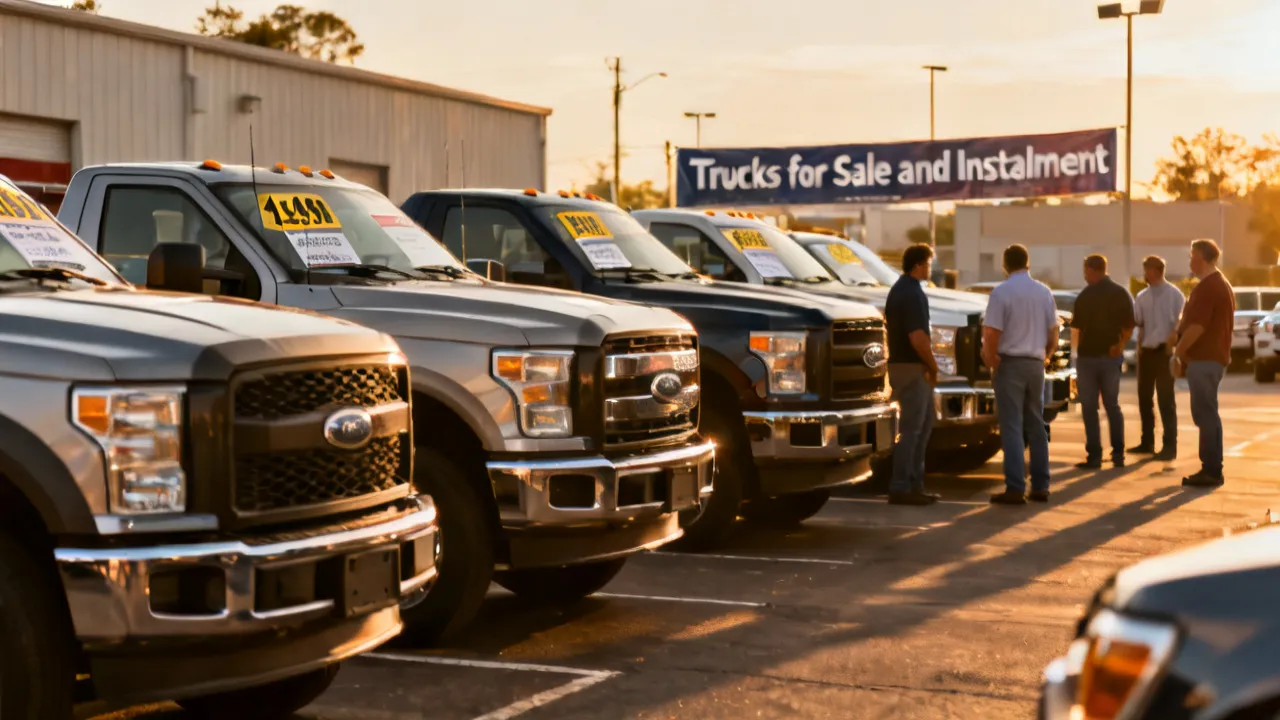
Trucks for Sale and Instalment: Buy Smart
Trucks for sale and instalment plans can help many buyers move from browsing to owning a vehicle without stretching cash flow. This guide explains how to evaluate truck inventory, understand financing terms, and compare reputable dealers, while keeping expectations realistic. It also reviews official car-trading websites where trucks and financing options are often listed, providing an objective background for informed decisions.

Trucks for Sale and Installment Buying Guide
Trucks for Sale and Instalment programs can make upgrading practical by spreading payments over time. This guide explains how installment deals work, what to check before signing, and how to compare listings from major official car trading platforms. It also offers an objective decision framework for finding a reliable truck at a fair total cost, including common documentation and eligibility needs.
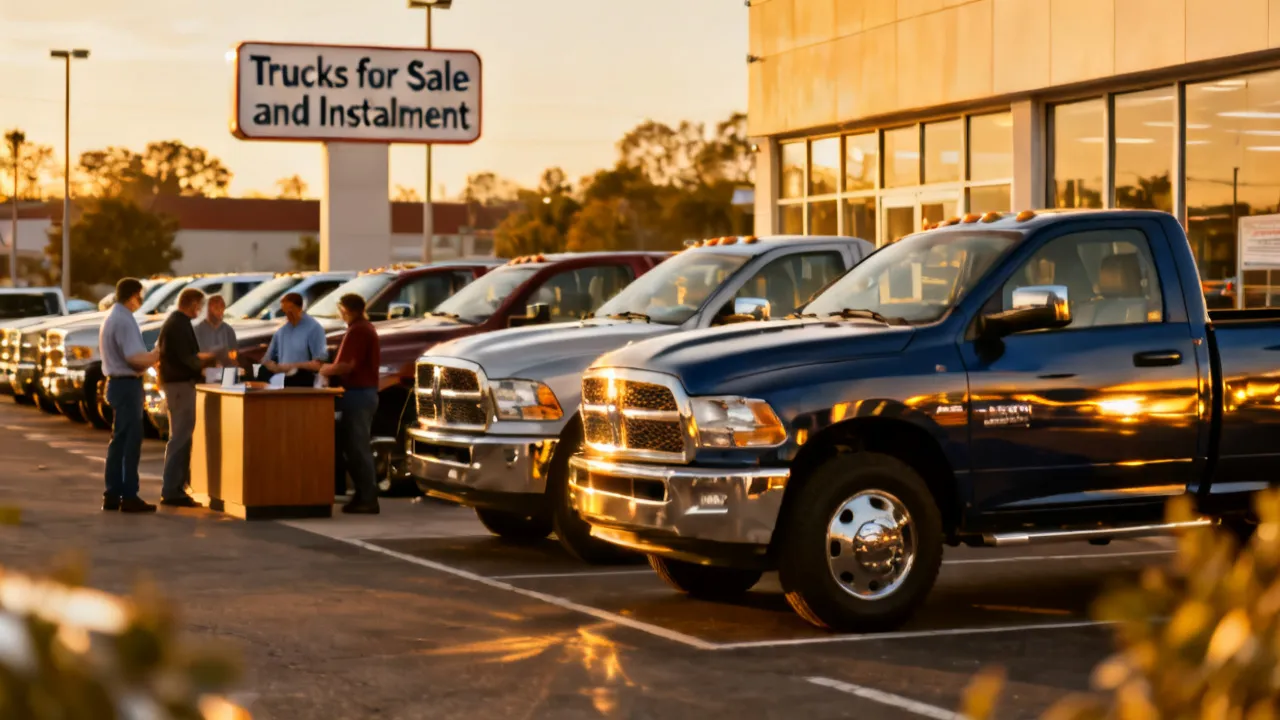
Trucks for Sale and Instalment: Smart Buying Guide
Trucks for sale and instalment deals require more than choosing a model—buyers must understand total cost, credit fit, and the paperwork that makes monthly payments reliable. This guide offers an objective overview of how instalment plans typically work and how to compare options across major official car trading platforms. It also outlines practical steps for finding a good-value truck while managing risk.
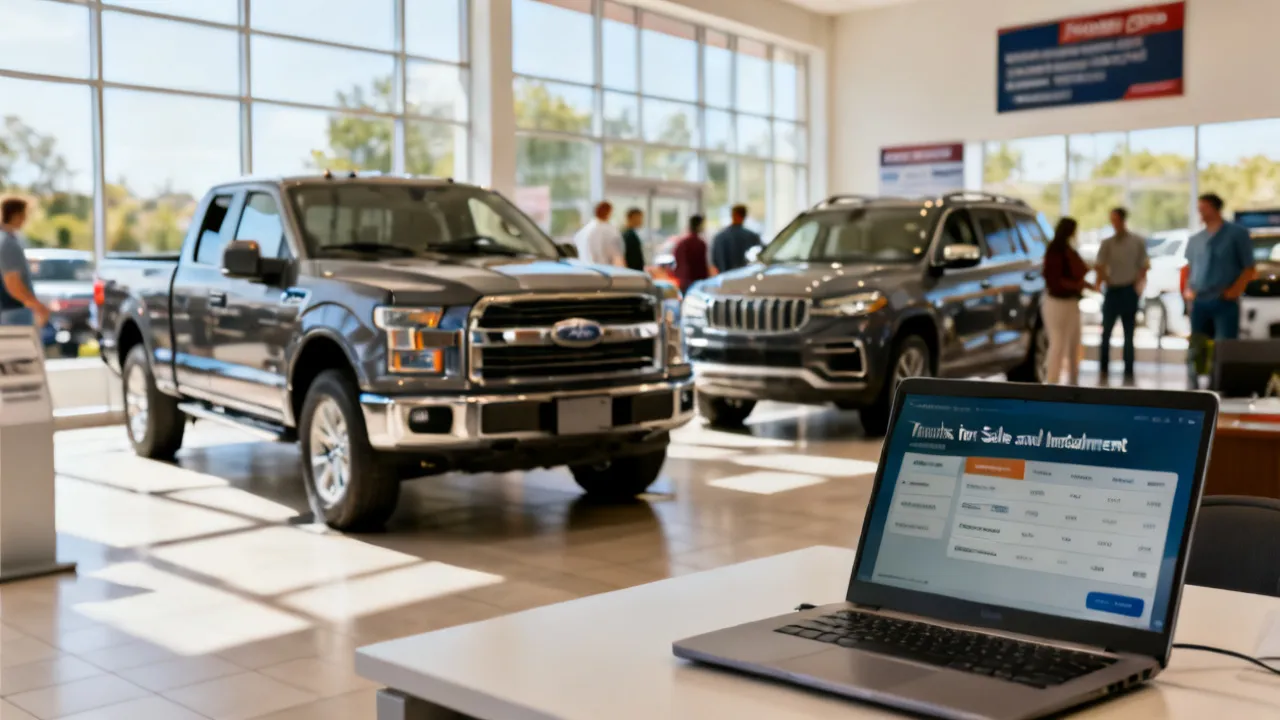
Buying Trucks for Sale and Instalment Responsibly
This guide explains how to buy trucks for sale with instalment options while keeping choices practical and compliant. You’ll learn what to check before financing, how to compare offers across reputable marketplaces, and how to spot reliable deals. It also outlines a step-by-step approach to estimating monthly affordability, verifying vehicle history, and choosing terms from trusted official car trading websites—using objective guidance rather than hype.
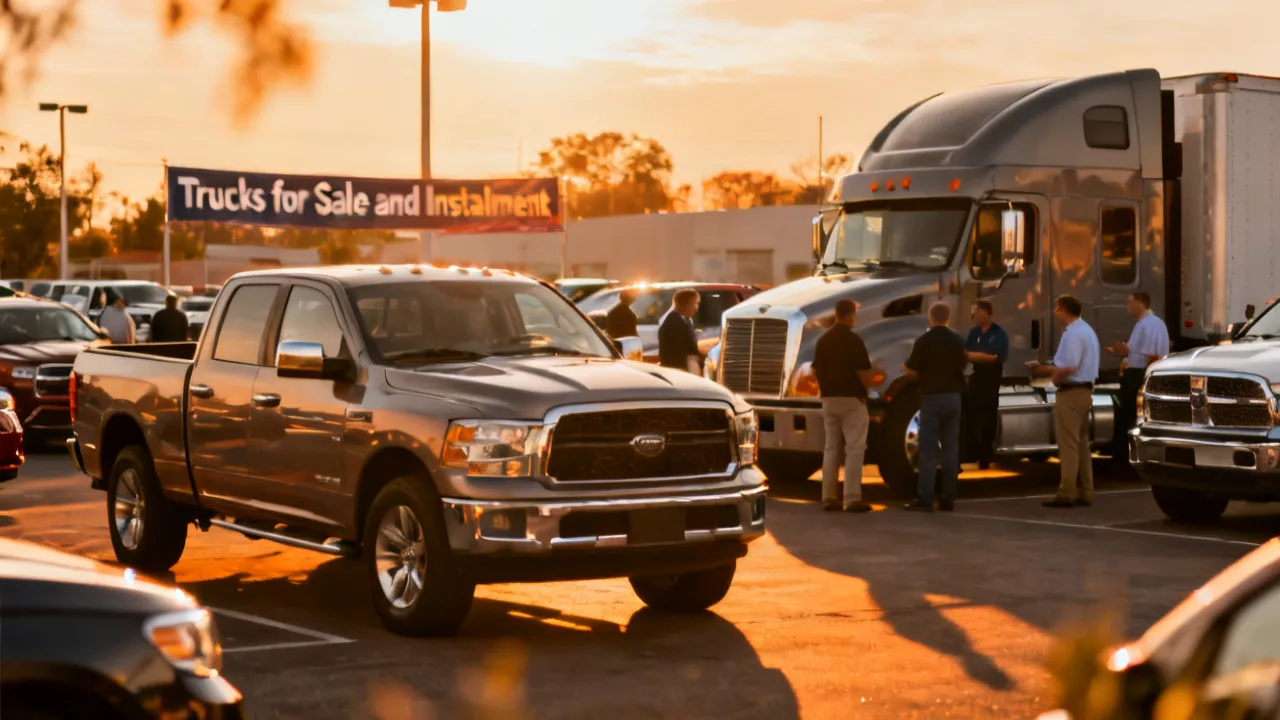
How to Buy Trucks for Sale with Instalments
This guide explains how to find and buy trucks for sale with instalment options, focusing on practical selection, financing readiness, and cost control. “Trucks for Sale and Instalment” reflects a common pathway for commercial buyers who want access to reliable transport without paying the full amount upfront. Background context covers how online marketplaces, dealer inventories, and credit qualification typically shape availability and total ownership cost.
Trucks for Sale with Installment Options
This guide explains how to find trucks for sale and instalment plans, compare reputable listings, and estimate total costs before committing. It begins with objective background on keyword concepts—dealer inventories, financing structures, and eligibility factors—then moves to practical steps for spotting dependable offers, narrowing choices, and completing paperwork with confidence using established car trading platforms.