This guide explains how to find and buy trucks for sale with instalment options, focusing on practical selection, financing readiness, and cost control. “Trucks for Sale and Instalment” reflects a common pathway for commercial buyers who want access to reliable transport without paying the full amount upfront. Background context covers how online marketplaces, dealer inventories, and credit qualification typically shape availability and total ownership cost.

If you’re searching for Trucks for Sale and Instalment, the quickest way to avoid regret is to treat the purchase like two parallel projects: (1) confirm the truck’s real-world capability and history, and (2) verify that the instalment plan fits your cash flow, insurance obligations, and maintenance rhythm. In commercial trucking, the “best deal” is rarely the one with the lowest monthly figure. Instead, the best deal is the combination of predictable costs, acceptable risk, and a truck that matches the jobs you actually run.
An expert approach is to shortlist trucks based on route needs (payload, trailer type, axle configuration, fuel economy assumptions, and uptime expectations), then narrow further using financing terms that determine what you’ll truly pay over time.
That “true cost” lens matters because instalments can make a purchase feel affordable even when the truck’s total ownership cost doesn’t. A vehicle can have a comfortable instalment, yet still become expensive due to tyres, brakes, downtime, unplanned repairs, mismatch between spec and route, or expensive insurance caused by configuration or risk profile. Regret usually comes from one of these mismatches.
So before you commit, slow down on two areas: the truck’s condition and the financing structure. If either side is unclear, your risk rises dramatically.
In many markets, instalment purchases operate like structured financing. You may pay a deposit (sometimes), then make monthly payments over a specified term. Sellers may describe the structure differently—“hire purchase,” “pay in instalments,” “financing,” or “lease-to-own”—but the practical implications tend to follow similar rules:
From an industry perspective, many buyers underestimate how quickly “hidden” costs accumulate. For example, a truck that looks good on paper can become costly if it needs frequent repairs, has mismatched spec for your lanes, or doesn’t hold value as expected. You may end up paying instalments while also paying for repeated downtime, emergency parts, and last-minute labour.
It helps to view the purchase as a package: the truck is the asset, and instalments are simply the way you fund it. Your goal should be to choose the asset that reduces operational variance—not one that only makes payments look comfortable.
Online trading and dealer inventory platforms are often the fastest starting point because they let you filter by location, make/model, price range, and sometimes even payment-related options. For buyers specifically focused on Trucks for Sale and Instalment, the goal is not just browsing—it’s building a verifiable shortlist you can compare fairly.
Below are official trading websites that commonly list vehicles available for purchase, including listings that may be suitable for buyers considering financing or instalment plans. Use them as the discovery layer, then move into direct dealer conversations to confirm financing structure and the vehicle’s actual condition.
| Official website platform | What it helps you do |
|---|---|
| cars.com | Search vehicle inventories from participating dealers and view listing details. |
| Carmax | Explore available vehicles and associated purchase information offered by the retailer. |
| caronsale | Browse vehicle listings and compare offers across available inventory. |
| Autotrader | Find vehicles advertised for sale and compare listing specifics. |
source: www.cars.com ; www.carmax.com/cars ; www.caronsale.com/en ; www.autotrader.com (source of information as referenced)
Once you shortlist, treat each listing as a “claim” that must be verified. Good listings include photos, service history, mileage details, and transparent notes. Weak listings often hide behind vague statements like “well maintained” without documentation. In instalment deals, documentation isn’t optional—it protects you from taking on a truck that creates operational costs you can’t finance.
Also consider using multiple platforms. Different sites will show different inventory. If you only check one website, you may miss better options (including trucks with clearer documentation or better spec match to your routes).
When readers ask, “How do I get a cheap truck on instalments?”, the best answer starts with redefining “cheap.” In fleet decision-making, “cheap” usually means low total cost of ownership over the period you plan to use the asset—not the lowest sticker price or the lowest monthly instalment.
Cheap can be expensive when “cheap” reflects hidden wear items, major component issues, or a spec mismatch that increases downtime. If you want a genuinely affordable truck, you must model what the truck will cost you, not just what you’ll pay each month.
Before you touch instalment calculators, align the truck to your use case. This step determines whether the vehicle will be economical in practice.
Skipping this step often leads to expensive “workarounds.” For example, you may pay instalments while your team repeatedly schedules maintenance far from your routes, loses time, or replaces components earlier than expected because the truck’s spec doesn’t match your operating profile.
Operational alignment also helps you negotiate. If you can explain why a specific spec is needed for your lanes, you can reject trucks that don’t fit—without wasting time negotiating over a fundamentally wrong asset.
Use official listing platforms to narrow your results. The goal is to identify candidates where the description includes verifiable details: mileage, condition notes, history indicators, service records, and clear photos.
If two trucks look similar, prioritize the one with clearer documentation. In instalment purchases, uncertainty is a major risk factor because it increases the chance you’ll discover expensive issues after signing. A transparent listing reduces uncertainty and strengthens your negotiating position.
Practical tip: keep a comparison sheet (even a simple spreadsheet) for each shortlisted truck. Include columns for:
This makes it easier to compare trucks objectively and prevents emotional decisions based on one good photo or one friendly sales conversation.
Two trucks can have similar instalment figures but wildly different total costs due to down payments, interest rates, fees, term length, and add-on charges. So ask the seller for a complete breakdown and not just an estimate.
Request:
If a seller refuses to provide a written breakdown, treat that as a risk signal. Professional sellers can explain the numbers clearly. Instalment purchases are commitment-heavy; you should have full clarity before signing anything.
Also ask about how the instalment plan handles missed payments and late fees. Some financing structures can add substantial charges or trigger repossession conditions. You may not plan to miss payments, but life happens (route disruptions, seasonal demand dips, illness, or vehicle downtime). Knowing the consequences helps you plan responsibly.
For commercial vehicles, real value is tied to wear items and mechanical health. Even if the listing claims condition is good, an inspection should cover both obvious and hidden issues.
For an inspection checklist, include:
Additionally, verify the truck’s operational readiness for your intended routes. If you’re buying in nearby, schedule inspection times around your operational calendar to avoid rushed decisions.
If you’re not near the seller, use remote verification methods carefully: request a video walkthrough, diagnostic scan report, and additional photos of wear points (tyre tread depth, brake discs, undercarriage). Ideally, still arrange an inspection by a qualified technician at your end.
Model your monthly affordability using a realistic cost envelope. Instalment payment is only one component. To avoid the classic scenario where the instalment fits “today” but fails “later,” include:
Consider seasonality too. If your business experiences peak demand in certain months, you might have higher revenue then and could handle repairs more easily. In slow months, unexpected downtime could harm cash flow. Build a buffer to survive the slow season without default risk.
Also consider driver costs and training. If the truck has specialized systems (or requires a specific driving technique), driver learning may affect fuel use and wear items. That, in turn, impacts ownership cost.
Negotiation works best when anchored to verifiable points: inspection findings, gaps in maintenance history, and pricing comparisons for similar trucks with similar spec and mileage.
If a listing is positioned as “deal-ready,” don’t accept it as proof of value. Instead, ask: what repairs were recently done and what evidence supports that? If inspection reveals wear, negotiate based on the cost to restore reliability.
Practical negotiation strategy:
This approach helps you avoid a common trap: “We lowered your monthly instalment, but the total cost increased due to higher interest or extended term.” Sometimes monthly reductions hide longer payments. Your goal is stability and fairness, not just short-term cash comfort.
Financing terms vary by lender, seller, and buyer profile. But for a professional, low-risk purchase, treat instalment eligibility as a checklist rather than a gamble. The more prepared you are, the smoother the approval process and the better the terms you can negotiate.
| Condition / requirement | Why it matters | How to prepare |
|---|---|---|
| Credit or business credit profile | It influences approval and interest cost. | Review credit standing and be ready to explain any discrepancies. |
| Down payment availability | It affects payment size and loan-to-value risk. | Plan a realistic deposit that you can sustain without harming working capital. |
| Documentation (ID, income, business details) | It speeds approval and reduces delays. | Gather required documents in advance—avoid last-minute gaps. |
| Insurance requirements | Commercial vehicles typically require appropriate coverage. | Confirm coverage availability before final sign-off. |
| Maintenance expectations | Financing may indirectly rely on vehicle upkeep to preserve value. | Confirm service capability near nearby (or your operating area). |
Practical note: If the seller can’t clearly explain fees, term structure, or the total cost, consider it a risk signal. A professional buyer prioritizes clarity, because instalment purchases are commitment-heavy and often hard to unwind without penalties.
Beyond the typical requirements, many buyers overlook the importance of deal structure. For example, some financing agreements may require the vehicle to be insured under specific coverage types, or they may require maintenance receipts at certain intervals. If your business doesn’t have a system to store receipts and service records, you could find yourself unable to meet contractual conditions.
Another factor is vehicle ownership timing. Some schemes delay full ownership until the final payment, which may affect how you use the vehicle as collateral or how you can modify it. Ask whether you are allowed to install branding, modify the trailer setup, or change components for compliance and operational reasons.
Finally, ask about transferability. If your business changes hands or you plan to restructure the company, find out if financing is transferable. Knowing this before signing can prevent later legal headaches.
Many buyers focus on advertised price or the monthly instalment figure. Industry experience suggests you should also check the underlying factors that determine whether the truck is a good economic choice.
A “good deal” is one where the truck’s reliability profile matches your operations, and the financing structure doesn’t introduce hidden cost shocks.
For example, a truck with cheap instalments but frequent prior repairs is not a good deal. The instalments may look manageable, but the repair cycle can destroy your uptime and profit. Conversely, a truck with slightly higher instalments might be cheaper overall if inspection suggests solid mechanical health and lower expected maintenance.
Also watch for sales tactics that confuse you. If the seller emphasizes only the monthly number and avoids discussing total price, fees, or warranty terms, it’s often because the underlying structure is less favourable than it appears.
For commercial operators, the instalment is only one line item. To avoid “payment traps,” consider the cost categories that often surprise first-time truck instalment buyers.
Engine efficiency varies by spec, maintenance condition, and driving patterns. You may not know exact figures from the listing, but you can reduce uncertainty by asking for service records and verifying maintenance quality.
Practical checks include:
Tyres and brakes are common cost drivers. A truck that has been hard-used can appear cheap initially, but tyres may need replacement sooner, brakes may require resurfacing or component replacement, and alignment issues can cause repeated wear.
During inspection, verify:
Downtime costs money. A truck that is frequently in the shop can be more expensive than a higher initial purchase price. When budgeting for instalments, calculate downtime conservatively—especially if you operate on tight delivery schedules.
To model downtime realistically, consider:
Insurance premiums may depend on the truck’s value, usage, configuration, and driver risk profile. Make sure your budget includes realistic insurance rather than assuming it will match your current vehicle.
Additionally, compliance requirements may affect costs indirectly. If your truck is due for inspections, needs emissions-related repairs, or has compliance-related equipment issues, you may face both legal risk and repair costs.
One of the most overlooked aspects of cost control is how you maintain and document maintenance. Good record keeping can help:
If the financing agreement requires service compliance, record keeping becomes even more critical. Set up a system early: a folder (digital or physical) for receipts, service notes, and inspection results.
If you’re shopping within nearby and want instalment options, treat distance as a risk factor—not only a convenience factor. The closer the truck is to your maintenance capability, the easier it is to verify condition and maintain uptime.
In many cases, buying closer to your maintenance capability reduces friction and helps protect the investment you’re financing.
However, local doesn’t always guarantee better value. Some local dealers may offer convenience but less transparency. So even when you shop near you, keep your verification standards high.
Also consider travel cost and time. If you travel far for a truck, you may lose time and risk rushing. That creates a hidden cost: lost productivity. Your best choice is the truck that preserves both money and time.
Before you commit, have a structured conversation. As an industry expert would recommend, ask for specifics rather than relying on general assurances like “it’s a good truck” or “no issues.”
When you ask these questions, you’ll quickly learn whether the seller is operating professionally. Professional sellers have systems, paperwork, and clear answers. Unprofessional sellers often respond with vagueness or pressure tactics.
Another advanced question to consider is: “What would you do to prepare this truck if you were buying it for your own fleet?” That encourages honest talk about future costs and repairs. If the seller can’t think in operational terms, you may be looking at a purely sales-driven listing rather than a fleet-ready asset.
Often, yes—but “tight” budgets should be evaluated against total operating costs (insurance, maintenance, tyres, downtime risk). If the instalment fits but the truck needs major repairs soon, the overall affordability can deteriorate quickly. The instalment might be manageable, but repairs plus downtime can create a cash-flow crisis. Get inspection details before concluding it’s affordable.
Typically, the total sale price, down payment, loan term length, interest/fees, and the lender’s eligibility criteria. Two trucks with different prices can yield similar instalments if one has a larger down payment or a longer term; however, longer terms often increase total cost. So you should compare total cost, not just monthly numbers.
Start with reputable listings and dealer inventories where terms are clearly presented. Prioritize listings with transparent condition details and ask the seller to confirm whether the transaction can be structured as instalment financing with your documentation. Also check that your business can meet any insurance and service record requirements that may be part of the financing package.
Not automatically. Newer trucks may reduce some downtime risk, but they can also have higher depreciation and higher purchase prices. The best decision depends on your routes, maintenance capability, inspection results, and how total cost compares over your planned ownership period.
Some newer trucks might also have more complex electronics, sensors, and emissions systems. Complexity isn’t automatically bad, but it can affect service cost if parts or diagnostic tools aren’t readily available near nearby.
Prioritize the top overall deal. A lower monthly instalment can be misleading if it comes from higher total fees, longer terms, or a balloon structure. A professional approach compares total cost, expected repair/downtime risk, and the truck’s ability to meet your operational requirements.
As a rule of thumb, if you only have comfort with the monthly number but you’re unsure about the total price or warranty coverage, you don’t fully understand the deal yet. Get clarity before you proceed.
Focus on structural condition, underbody issues, braking and tyre wear, fluid leaks, and engine/transmission performance indicators. Request service records and verify anything questionable with a qualified inspection before signing.
If you want to make the inspection even stronger, ask for a diagnostic scan and a test drive under realistic conditions (load simulation where possible, typical routes if feasible). Real performance often reveals issues that pictures and descriptions can’t.
Maintenance estimation works best when you combine (1) the truck’s age and mileage, (2) inspection findings, and (3) service history. Ask the seller for recent service receipts, including:
Then budget for a conservative repair buffer. If inspection reveals worn components, adjust your estimated costs upward. The goal isn’t perfect prediction—it’s preventing surprises that strain cash flow.
Always request:
Never rely solely on verbal explanations. Instalment deals typically involve legal documents, and you need written clarity to manage risk.
It can be risky, because “as is” means you may be responsible for defects discovered after delivery. If the seller offers “as is,” you should negotiate more aggressively using inspection findings. If repairs are required, ask for them to be completed before delivery or include a price reduction that reflects repair costs.
If you accept “as is,” ensure you still receive strong diagnostic information from the inspection so you can budget for repairs responsibly.
Yes. Some financing/warranty arrangements require specific service intervals, approved service centers, or record keeping to preserve coverage. Even when there is no strict requirement, consistent maintenance is essential to preserve value and reliability. If you skip routine servicing, you may increase downtime risk and reduce the truck’s residual value—creating problems later if you want to refinance or resell.
Trucks for Sale and Instalment can be a practical way to acquire the right vehicle for your operations, as long as you evaluate the full package: truck condition, serviceability near nearby, insurance requirements, and the real total cost created by the financing structure. Use official inventory platforms to shortlist candidates, then rely on careful inspection and transparent financing terms to finalize a decision that supports stable operations—not just short-term affordability.
When you treat both sides—truck readiness and instalment structure—with equal seriousness, you reduce risk and increase uptime. And in trucking, uptime is often where profit is made and protected.
In the end, the goal is not just to “buy a truck on instalments.” The goal is to build a reliable operating asset that can handle your routes, preserve value, and keep your cash flow stable month after month. If you follow the method—requirements first, transparent terms, verified condition, and a realistic cost envelope—you’ll move from hope to control.
1) The above information comes from online resources, and the data is as of October 2023. 2) For more information, please refer to the official website of the listed platforms and/or the relevant dealer or lender.
https://www.cars.com/
https://www.carmax.com/cars
https://www.caronsale.com/en
https://www.autotrader.com/
Trucker Payroll: Compliance, Deductions, and Top Practices

Trucker Payroll: A Practical Guide for Accurate Pay
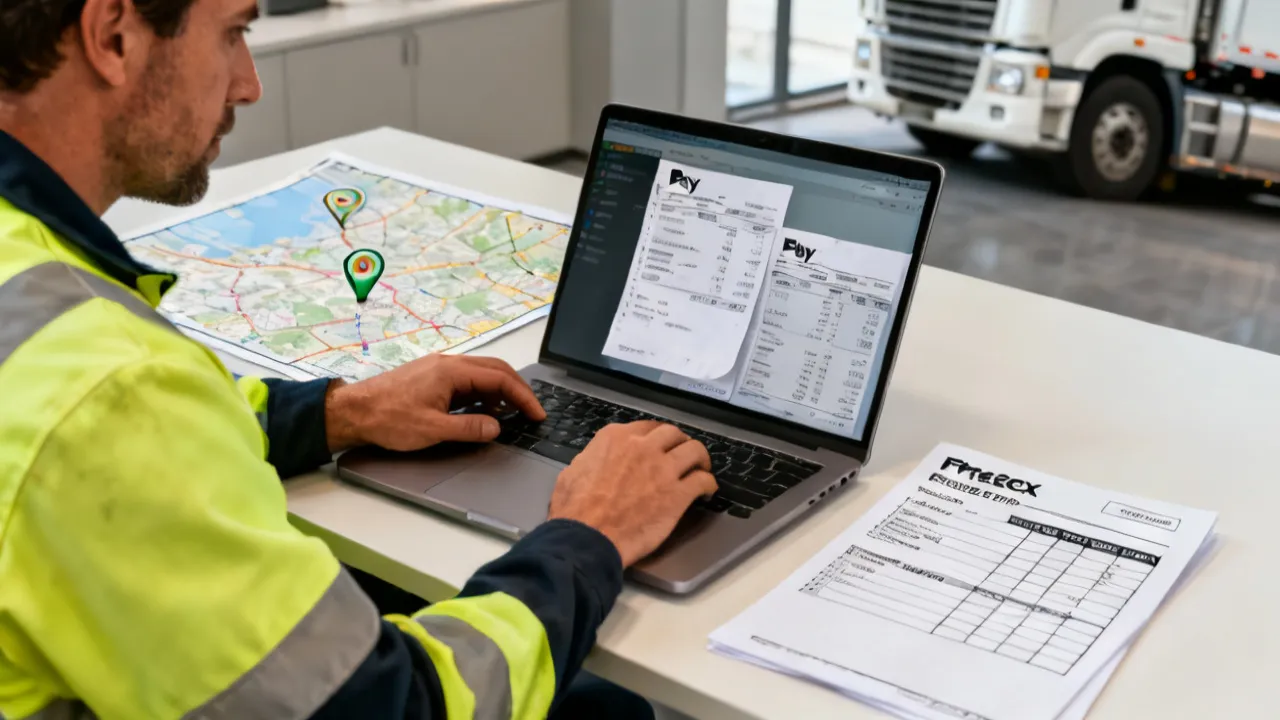
Trucker Payroll: Compliance, Accuracy, and Top Practices
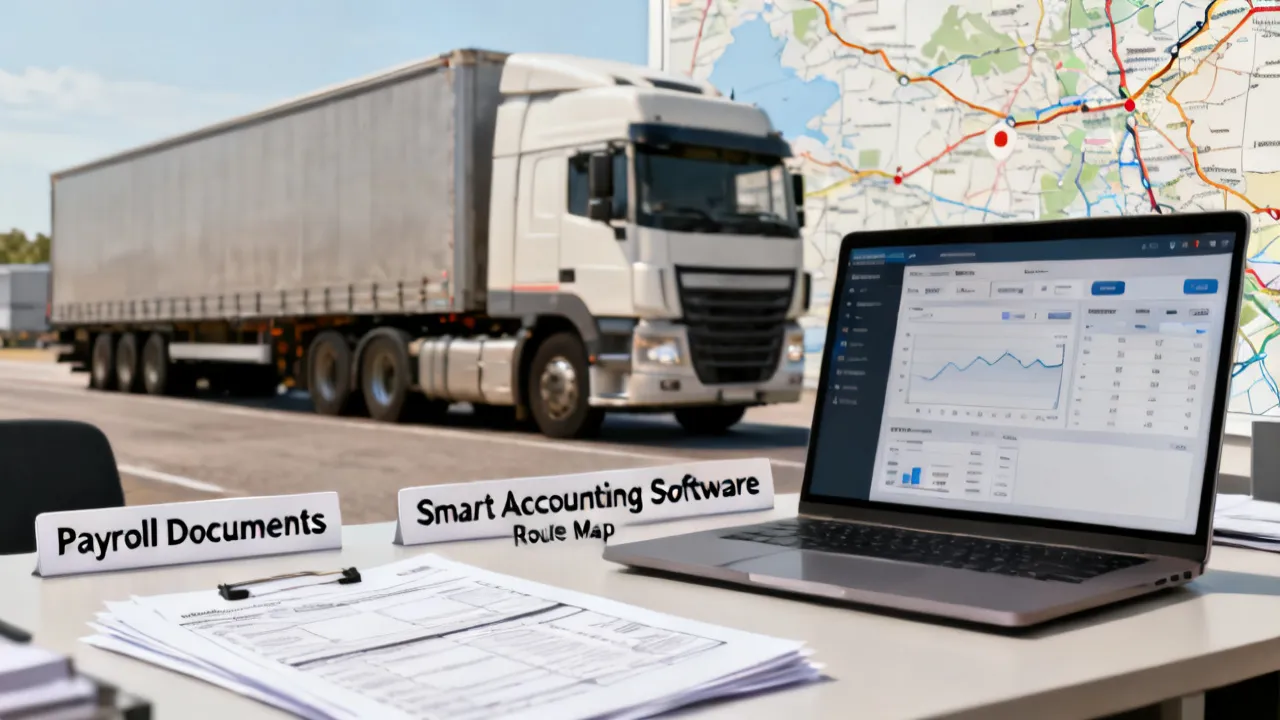
Mastering Trucker Payroll for Accurate Fleet Compensation
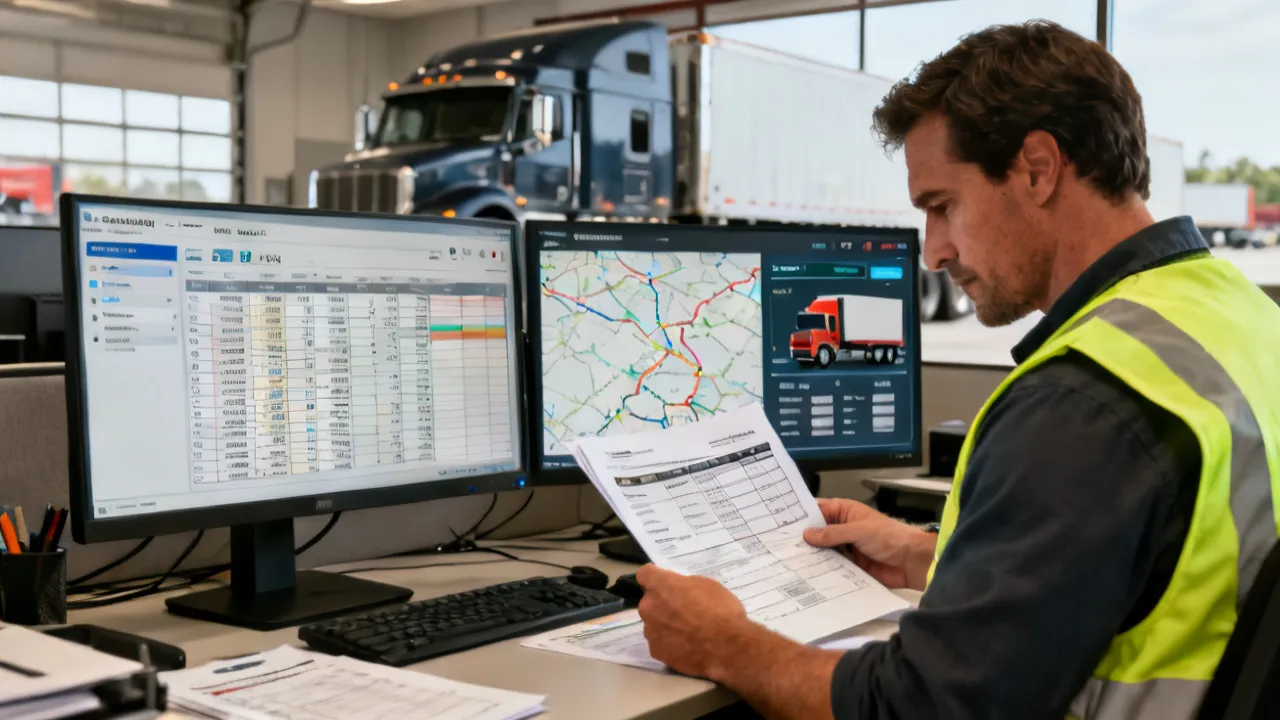
Modern Trucker Payroll Practices for Fleet Compliance

Trucker Payroll Management: Rates, Compliance, Top Practices

Trucker Payroll: Compliance, Costs, and Top Practices

Trucker Payroll: Compliance, Costs, and Top Practices

Trucker Payroll: Compliance, Costs, and Payment Accuracy


Trucks for Sale and Instalment: Buy Smart
Trucks for sale and instalment plans can help many buyers move from browsing to owning a vehicle without stretching cash flow. This guide explains how to evaluate truck inventory, understand financing terms, and compare reputable dealers, while keeping expectations realistic. It also reviews official car-trading websites where trucks and financing options are often listed, providing an objective background for informed decisions.

Trucks for Sale and Installment Buying Guide
Trucks for Sale and Instalment programs can make upgrading practical by spreading payments over time. This guide explains how installment deals work, what to check before signing, and how to compare listings from major official car trading platforms. It also offers an objective decision framework for finding a reliable truck at a fair total cost, including common documentation and eligibility needs.
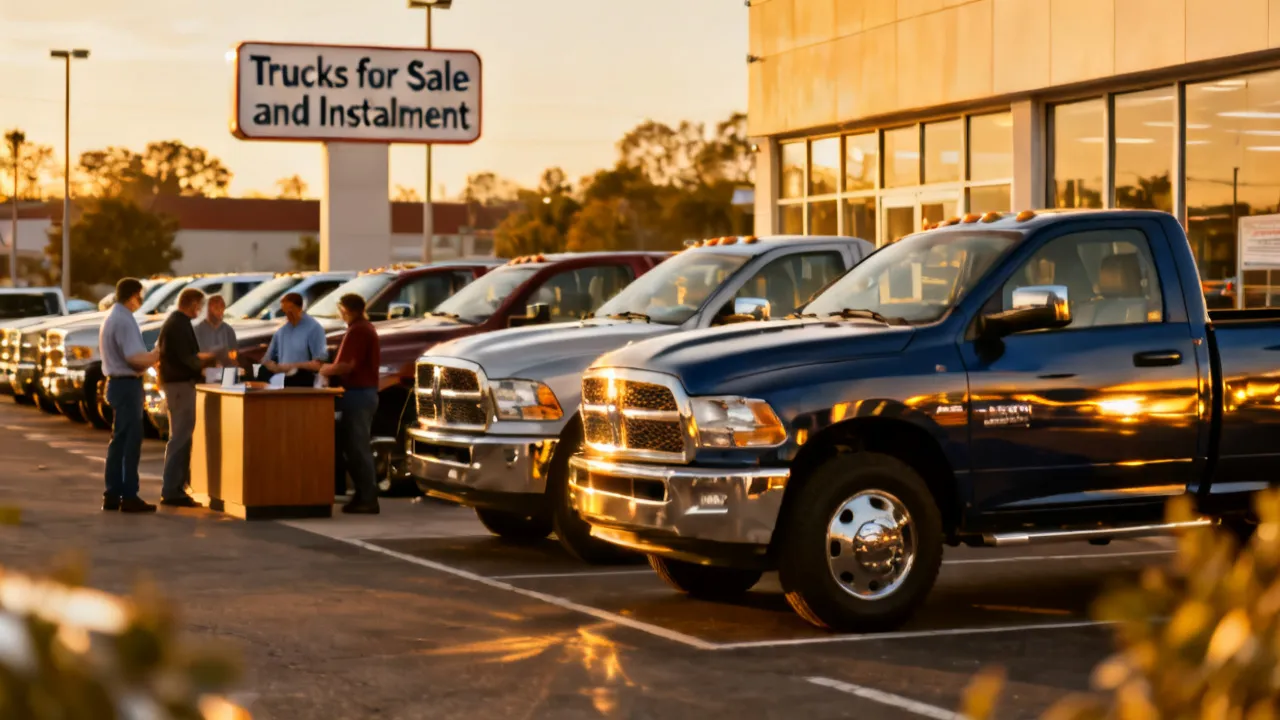
Trucks for Sale and Instalment: Smart Buying Guide
Trucks for sale and instalment deals require more than choosing a model—buyers must understand total cost, credit fit, and the paperwork that makes monthly payments reliable. This guide offers an objective overview of how instalment plans typically work and how to compare options across major official car trading platforms. It also outlines practical steps for finding a good-value truck while managing risk.
Buying Trucks for Sale and Instalment Responsibly
This guide explains how to buy trucks for sale with instalment options while keeping choices practical and compliant. You’ll learn what to check before financing, how to compare offers across reputable marketplaces, and how to spot reliable deals. It also outlines a step-by-step approach to estimating monthly affordability, verifying vehicle history, and choosing terms from trusted official car trading websites—using objective guidance rather than hype.
How to Buy Trucks for Sale with Instalments
This guide explains how to find and buy trucks for sale with instalment options, focusing on practical selection, financing readiness, and cost control. “Trucks for Sale and Instalment” reflects a common pathway for commercial buyers who want access to reliable transport without paying the full amount upfront. Background context covers how online marketplaces, dealer inventories, and credit qualification typically shape availability and total ownership cost.
Trucks for Sale with Installment Options
This guide explains how to find trucks for sale and instalment plans, compare reputable listings, and estimate total costs before committing. It begins with objective background on keyword concepts—dealer inventories, financing structures, and eligibility factors—then moves to practical steps for spotting dependable offers, narrowing choices, and completing paperwork with confidence using established car trading platforms.