Trucks for sale and instalment plans can be a practical way to enter the commercial vehicle market without paying the full amount upfront. This guide explains what “instalment” options typically mean, how to compare total costs, and how to verify dealership credibility using official listings. It also covers a step-by-step process to help you find a suitable truck efficiently while avoiding common paperwork and financing mistakes.
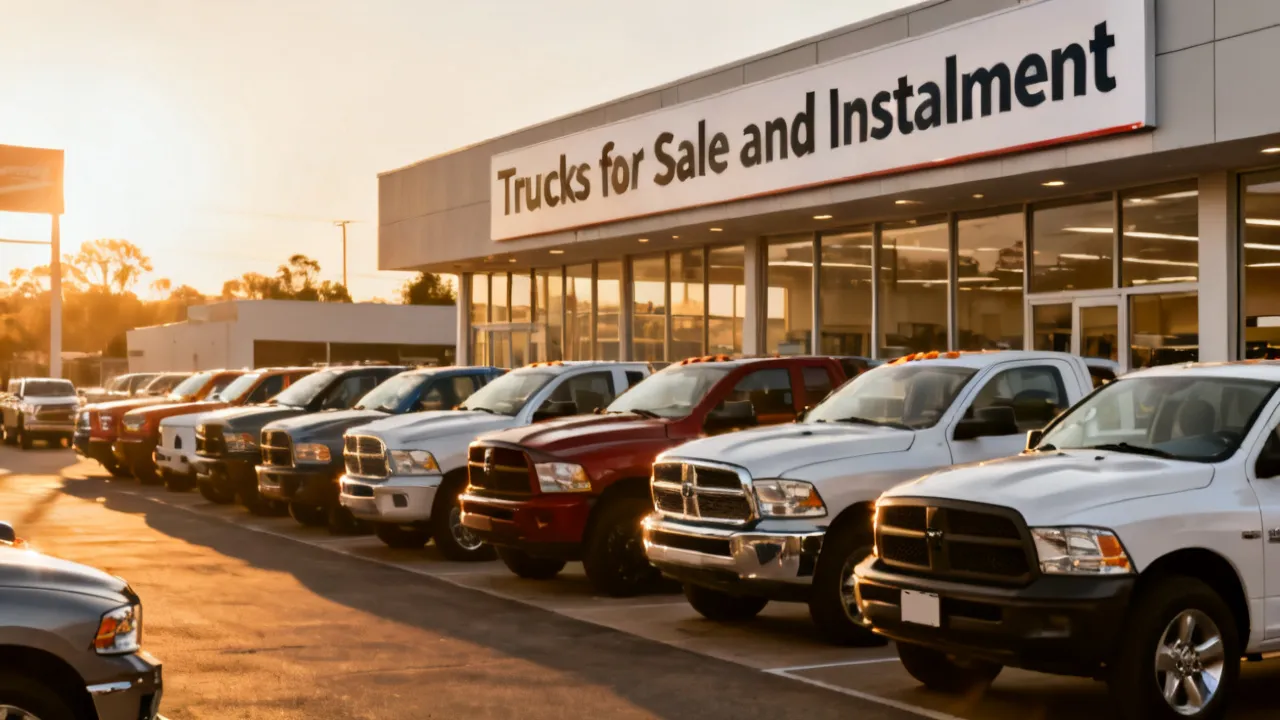
When shoppers look for Trucks for Sale and Instalment, the very important decision is usually not the advertised monthly figure—it’s the total cost of ownership through the full contract term. As an industry observer, I recommend you treat any instalment offer as a package of costs: the truck’s purchase price, taxes, fees, interest (if applicable), insurance requirements, and the contract’s early-termination terms.
In practice, a “good deal” is the one that remains affordable after you account for the complete financing and ownership obligations. Many buyers have budgets that are comfortable for the advertised payment, but uncomfortable once you add the real-world costs that come with getting the truck ready to work: first-year insurance premiums, registration changes, mandatory maintenance checks, potential tyres or brake replacements, and downtime caused by wear items that were not properly priced into the initial offer.
To make the decision easier, shift the mental model from “What can I pay per month?” to “What will this truck cost me all-in over the time I plan to keep it?” Even if you intend to sell the truck early, you still want to know what early settlement penalties could do to your overall cost.
If you can, create a simple worksheet (even a spreadsheet) and fill it in while you browse. For each truck offer, include these categories:
The outcome you want from this worksheet is a single number: the total amount you will pay to acquire and operate the truck under that exact deal structure, plus a realistic estimate of the maintenance and insurance expectations for your usage.
Low monthly payments often happen for three common reasons—two of which can still be fine, but one of which should raise a caution flag:
When you’re shopping, ask yourself: “If my payments are low, where is the extra cost showing up?” Once you can identify the answer, you’re less likely to be surprised later.
Because your goal is often to keep delivery schedules stable and reduce downtime, you should factor in maintenance history, warranty coverage, and parts availability in your area (including nearby service providers). A truck can look like a bargain on paper, but if it requires parts that take weeks to arrive, the true cost becomes delivery delays, missed appointments, and emergency rental expenses.
Reliability and parts availability are especially important when your truck is used for consistent operations—local haulage, delivery routes, or service work where you can’t easily pause work. Therefore, in addition to contract costs, include an operational risk estimate. A simple way to do this is to ask a local mechanic (or service shop) these questions:
This may feel like extra work, but it helps you avoid the scenario where your instalment deal is affordable while your repair bills and delays are not.
To reduce the risk of outdated inventory or unclear vehicle condition details, begin with established listing ecosystems and well-known dealers. These platforms typically provide structured information—vehicle condition, mileage, drivetrain, price, and documentation cues—so you can compare listings more objectively before contacting sellers.
When a listing is on a major platform, there’s usually more consistency in how vehicle information is presented. That consistency matters when you’re comparing multiple offers at once, especially when some deals may appear similar but have different underlying contract terms.
| Platform / Dealer | What You Can Typically Verify | How It Helps With Instalment Shopping |
|---|---|---|
| cars.com | Structured inventory search, vehicle specs, pricing details | Helps you shortlist options quickly, then you can ask sellers about instalment eligibility |
| CarMax | Vehicle listings with condition and pricing context | Often provides finance pathways through its dealer process, enabling comparisons across trucks |
| Caronsale | Vehicle listings aggregated for shopping | Supports browsing to identify candidates before verifying instalment terms |
| AutoTrader | Broad marketplace inventory and listing details | Lets you compare prices and specs, then confirm financing/instalment structure with sellers |
Source of information:
Source: www.cars.com ; www.carmax.com/cars ; www.caronsale.com/en ; www.autotrader.com (information presented on these official sites; referenced for platform context)
Instalment deals include contractual commitments, which means you need confidence in the vehicle you’re agreeing to. Verified listings reduce the chance that you show up to inspect a truck that doesn’t match the description or that has issues undisclosed in the initial listing.
With verified platforms, you’re often able to cross-check details like mileage, trim, condition grading, and sometimes service history indicators. While you still must inspect the truck yourself (or arrange a third-party inspection), verified listings can remove some basic uncertainty.
Most major platforms allow filters for:
Use these filters to avoid wasting time. Each wasted trip to view a truck is a cost in time and transport. More importantly, it prevents you from comparing dissimilar trucks that look similar at first glance but differ in important ownership cost factors.
Once you shortlist trucks, don’t only request the monthly instalment figure. Ask for a breakdown showing:
This is where you protect yourself. The monthly payment can be manipulated by term length or down payment assumptions. A full breakdown tells you if the deal is truly affordable.
In commercial vehicle markets, “instalment” can refer to different arrangements depending on the region and dealer model. You may encounter:
Because definitions vary, the safest approach is to request a written summary of the instalment terms before you commit. Specifically, ask whether the truck title is secured, whether there is an end-of-term buyout, and whether the contract includes any balloon payment.
It’s easy to assume “instalments” means you’re buying the truck over time. In some cases, that’s correct—financing typically results in ownership transfer at the end of payments (subject to completing the contract).
In leasing-like structures, you may never own the truck outright unless you purchase it at the end under specific conditions. Leasing terms can include strict mileage limits, wear-and-tear rules, and fees for excessive usage or damage. That changes the risk profile.
Before you proceed, ask:
Some dealers offer bundled instalment deals with accessories, service packages, or extended warranties. Bundles can be beneficial, but you should treat them as separate line items. Ask:
The goal is to ensure that you’re paying for value, not just paying for a promotion that looks good in the monthly figure.
Many buyers focus on the instalment amount but overlook the early termination terms. If your business changes, you might want to settle early, swap vehicles, or trade in. A contract with expensive early settlement penalties can trap you.
Therefore, ask for a written explanation of:
A deal with slightly higher monthly payments might be cheaper overall if it has lower early termination costs.
Finding a low-cost truck is not only about the sticker price. For fleets and owner-operators, a “cheap” truck that causes downtime can become expensive after factoring in repairs, lost revenue, and replacement parts lead times.
Therefore, a better definition of “cheap” is: a truck that keeps operating within budget, not one that is merely priced low at purchase. Usability includes reliability, serviceability, and suitability for your typical loads and routes.
Start by defining your operational needs:
Once you lock these, you’ll be able to identify which “on sale” listings are truly comparable. This reduces the chance of paying for features you don’t use.
It also prevents a common failure mode: buying a cheaper truck that technically “fits” your load needs on paper but fails in real conditions—insufficient cooling for high load, weak towing ratings, or drivetrain mismatch leading to accelerated wear.
To avoid compromise, pay attention to wear items that appear sooner on some configurations. While each truck and usage pattern differs, common cost drivers include:
If a truck is being sold as “cheap,” ask whether it’s cheap because of manageable wear items (like tyres) or because of deeper problems (like recurring transmission faults). A pre-purchase inspection helps you distinguish these.
In an objective buying process, transparency matters. “Sale” pricing should be accompanied by meaningful details such as:
If a listing is vague on condition or the pricing rationale, you should treat it as a higher-risk option and verify before scheduling any payment commitment.
A listing that says “Great deal” without showing why can be risky. Instead, look for listings that provide explanation—such as service performed, replacement of key wear parts, or fresh inspections.
For instalment plans, buyers often focus on the financed amount only. Ask for an out-the-door total that includes the typical transaction components: taxes, registration, documentation fees, and any mandatory add-ons. Even if you plan to finance, the out-the-door figure helps you compare offers fairly.
When comparing multiple listings, out-the-door totals ensure that you don’t compare a truck with a higher advertised price but lower fees to another truck with a lower advertised price but higher unavoidable costs.
Another useful perspective: sometimes “on sale” means the truck is priced competitively and transparently. But sometimes “on sale” is a sign the truck has a problem, such as:
Therefore, “on sale” should not automatically be interpreted as safe. Instead, treat it as an invitation to ask more questions and demand stronger proof of condition.
Below is a structured approach you can use near you—whether you’re shopping through a mainstream marketplace or directly with a dealer—so that you can evaluate vehicles and instalment offers with discipline.
Use the major listing platforms listed earlier to compile a shortlist. Capture the truck’s key specs and note any gaps (for example, missing service history or unclear condition labels). Don’t rely on photos alone—photos can be helpful, but they do not replace an inspection.
To make your shortlist actionable, record details like:
This data collection makes your later contract comparison faster and more accurate.
Next, contact the dealer or seller and ask:
Compatibility isn’t only about whether the lender approves your application. It’s also about whether the contract’s operational requirements fit how you use the truck. For example, a contract might require regular service inspections at specific intervals, or it might require proof of insurance that is more expensive than your current policy.
Before you schedule paperwork, request documentation that states:
For professional buyers, this step prevents surprises and ensures the offer is mechanically comparable to alternative listings.
If the seller resists providing terms in writing, treat that as a signal. Legitimate deals should be explainable. If they can’t provide written terms before you proceed, you may be dealing with an unclear contract structure.
Inspections should focus on operational reliability:
If the listing claims a high condition, ask whether a pre-sale inspection or service report can be provided. If not, plan for a third-party inspection.
Think of inspection as protecting your total cost, not just confirming appearance. A truck can look clean while hiding mechanical issues. Particularly with instalment purchases, mechanical issues can create a situation where you must keep paying while also spending unexpectedly on repairs.
Depending on your use case (local delivery vs long-distance haul), consider these additional checks:
These steps can reveal expensive issues early—before your instalment contract locks you in.
Negotiation works top when you can compare like-for-like. Use:
Once you know the truck’s condition and contract structure, you can negotiate the price and/or instalment terms more effectively.
Often, negotiation isn’t only about reducing the purchase price. You might negotiate for:
This is why collecting evidence matters. If you can show comparable listings and verified inspection findings, you negotiate from a grounded position instead of emotion.
For instalment purchases, document accuracy matters. Confirm that:
Before signing, read the section that describes consequences of late payments, required insurance, and early termination.
One of the most important practical habits is to verify every number: payment amount, term length, total finance amount, and any end-of-term costs. If any figure differs from what was verbally agreed, require corrections before signing.
While exact requirements vary by lender and region, instalment eligibility typically depends on several baseline factors. The table below compares common requirements and what you should prepare.
| Requirement Area | What It Usually Covers | What to Prepare |
|---|---|---|
| Identity and residency | Confirms who is contracting and where payments originate | Valid ID and proof of address |
| Credit qualification | Determines the financing cost and approval likelihood | Credit history details (as applicable) and lender application forms |
| Down payment and affordability | Impacts monthly payment and risk to the lender | Budget for a down payment and a realistic monthly ceiling |
| Vehicle eligibility | Some trucks may not be financed due to age/condition or paperwork status | VIN verification, condition reports, and inspection documentation |
| Insurance and contract obligations | Ensures the lender has protection and the asset is maintained | Insurance quotes that satisfy contract terms |
Identity and residency checks are standard. However, they can delay approvals if your documentation is incomplete or outdated. To avoid delays, prepare documents early and ensure names match exactly across invoices, applications, and identification.
If you’re buying for a business, you may need business registration documents and authorization for signatories. Make sure the contracting authority is correct; otherwise, the lender might reject or delay the application.
Credit qualification affects approval and financing cost. If you anticipate applying for instalment financing, consider preparing by:
Even if your credit isn’t perfect, you can sometimes improve approval by offering a higher down payment or choosing a truck configuration that is easier for lenders to finance (depending on local criteria).
Affordability calculations often include current obligations, projected income, and sometimes required insurance costs. It’s not unusual for a lender to consider whether your monthly payment plus required insurance is within a certain percentage of your monthly income.
This is why it’s important to estimate insurance early. Waiting until after approval can lead to last-minute problems if insurance quotes come in higher than expected or if the policy doesn’t match required coverage levels.
Vehicle eligibility can depend on factors such as age, mileage, vehicle condition, or documentation status. A truck can be available for sale but still fail financing requirements.
Therefore, when you shortlist a truck, ask the dealer to confirm financing eligibility early. Request a pre-qualification or a conditional approval if possible so you don’t waste time on a vehicle you can’t finance.
Many instalment deals require insurance that protects the lender’s interest. This might include:
Before finalizing, obtain an insurance quote that reflects the truck’s actual details: model year, trim, usage type, and where it’s kept overnight. An inaccurate quote can break your budget at the approval stage.
Many expensive surprises come from not asking scenario questions. Before you commit, ask how the contract handles situations like:
These questions help you understand your risk exposure, not just your payment schedule.
If your “instalment” is actually leasing-like, mileage rules can become a quiet cost. Even a truck used for short routes can exceed mileage caps depending on your schedule. Wear rules can also lead to charges at end-of-term.
Therefore, request in writing:
This transforms an end-of-term “mystery cost” into something you can plan for.
Some contracts require maintenance performed at specified intervals to keep warranty or coverage valid. If you fail to keep maintenance records, coverage can be voided. This risk is especially important for trucks used commercially.
Therefore, ask:
If you plan to maintain the truck yourself or use an independent shop, confirm the contract allows it.
A polite and confident seller is not necessarily a reliable indicator of condition. The only reliable indicators are documented records, inspection results, and contract clarity.
Use evidence:
This ensures you can defend your purchase decision later if issues arise.
Even a well-maintained used truck may need minor adjustments after purchase—fluids checks, belt replacements, brake pad refresh, or tyre balance. If you allocate a “first 90 days” budget, you reduce the chance that a surprise repair will disrupt your instalment payments.
To create this budget, estimate:
This is a practical safeguard that improves your ability to keep payments on time even during early ownership.
In many markets, instalment refers to a structured payment plan, very commonly through financing, leasing, or a dealer-arranged payment program. The key is to confirm whether you’re paying toward ownership or use-and-return, and whether interest, balloon payments, or end-of-term costs apply.
Start with reputable listing platforms and look for transparency: clear vehicle condition descriptors, explicit pricing, and documented eligibility for the advertised offer. Then verify details with the seller and request written instalment terms if financing is involved.
Also, ask why the truck is “on sale.” Legitimate reasons might include seasonal promotions, trade-in volume, or newly reduced pricing to improve turnover. Concerning reasons include missing paperwork, refusal to share inspection information, or vague condition claims.
There is no one-size-fits-all answer. Outright purchases may reduce good financing costs, while instalments can preserve cash flow for maintenance, insurance, or business expansion. The top approach is to compare the total cost and assess your cash-flow stability.
In general, instalments can be powerful for maintaining liquidity, but they should never replace budgeting for maintenance and insurance. Owning outright can be cheaper long-term if you have the cash and if opportunity cost is low. Instalments can be appropriate if you need the truck now to generate income and you can handle the total cost responsibly.
Focus on engine and transmission health, brake condition, suspension integrity, fluid leaks, and drivetrain performance. For commercial use, also consider inspection for frame-related issues and confirm that service history (if claimed) is credible.
Additionally, confirm that any specialized equipment or modifications (cargo racks, towing accessories, refrigeration units, or custom boxes) are secure, safe, and properly installed. Modified trucks can have different maintenance requirements and hidden wear points.
Often yes, but negotiation depends on inventory movement, contract type, and financing terms. Approach negotiations with evidence: inspection findings, comparable listings with similar specifications, and a clear understanding of total cost.
Sometimes, if the vehicle price is already near a minimum, you may have better leverage negotiating the terms: warranty coverage, inclusion of repairs, reduced down payment, or an improved interest rate. Your negotiation strategy should match how the seller structured the offer.
Very deals require identity verification, proof of address, lender application forms, and documentation related to affordability and vehicle eligibility. Insurance requirements can also be part of the final approval and contracting process.
If buying under a business structure, you may also need business registration documents, proof of income (such as recent statements), and authorization for who can sign the contract. Having these ready can prevent approval delays.
Buying Trucks for Sale and Instalment is more manageable when you follow a disciplined sequence: shortlist vehicles using reputable platforms, verify condition and eligibility, obtain written instalment terms, and assess total ownership cost through the full term. With that approach, you reduce the chances of unpleasant surprises and improve the odds of selecting a truck that supports reliable operations nearby.
When you combine clear contract comparison with practical inspection and ownership-cost thinking, you transform instalment shopping from a stressful guessing game into a controlled decision process. The best deals are not the ones that look cheapest in the first advertisement—they are the ones that remain affordable, serviceable, and dependable across the time you actually need the truck.
Disclaimer:
1) The above information comes from online resources, and the data is as of October 2023. 2) For more information, please refer to the official website.
Reference links (and links used in this article):
https://www.cars.com/
https://www.carmax.com/cars
https://www.caronsale.com/en
https://www.autotrader.com/
Trucker Payroll: Compliance, Deductions, and Top Practices

Trucker Payroll: A Practical Guide for Accurate Pay
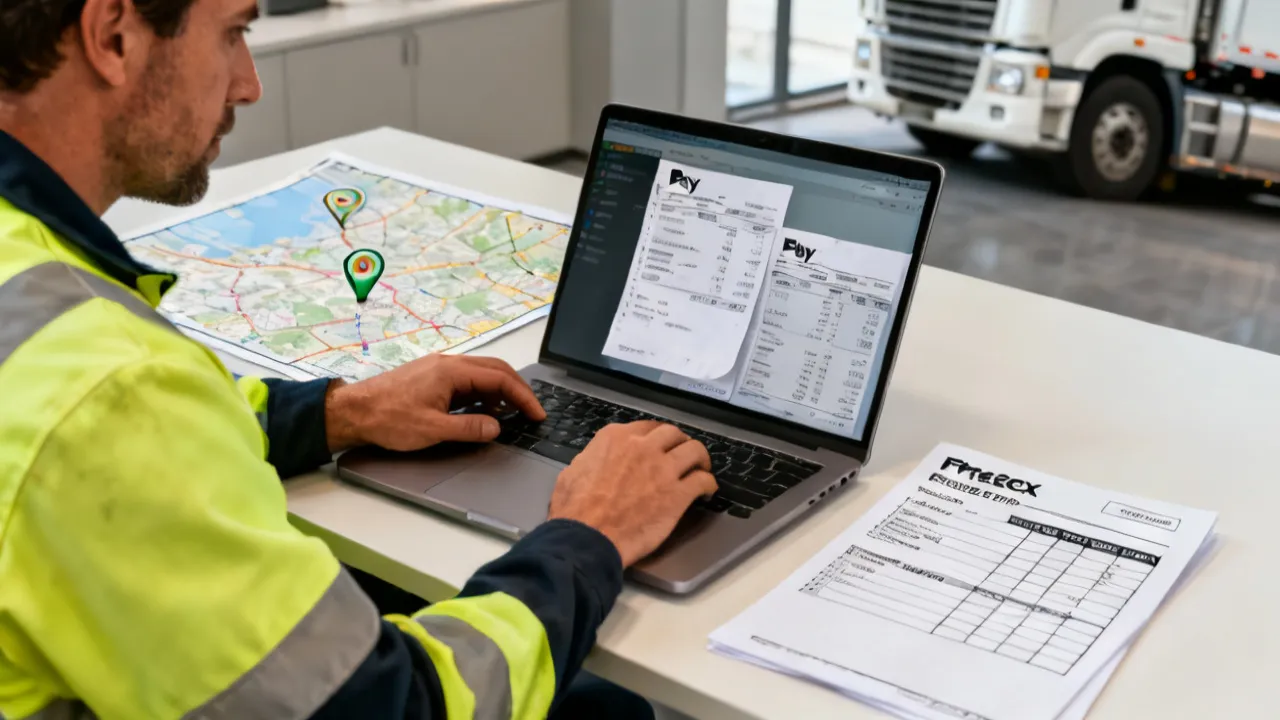
Trucker Payroll: Compliance, Accuracy, and Top Practices
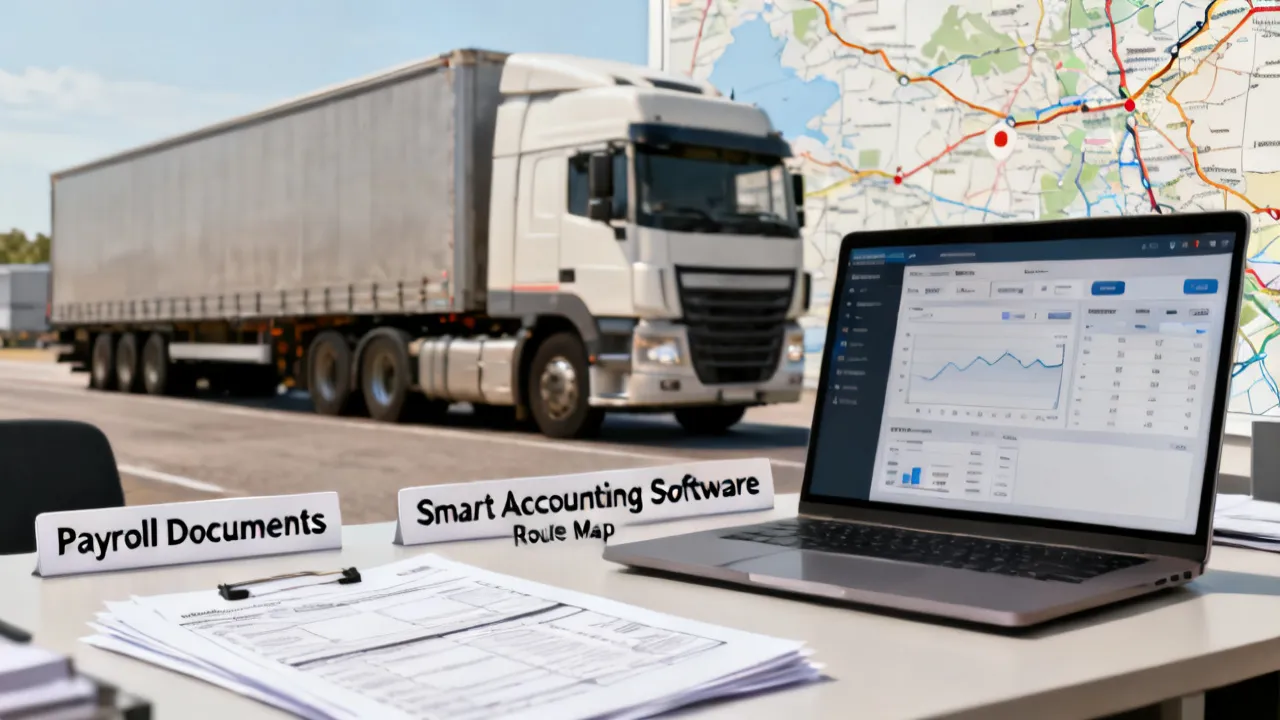
Mastering Trucker Payroll for Accurate Fleet Compensation
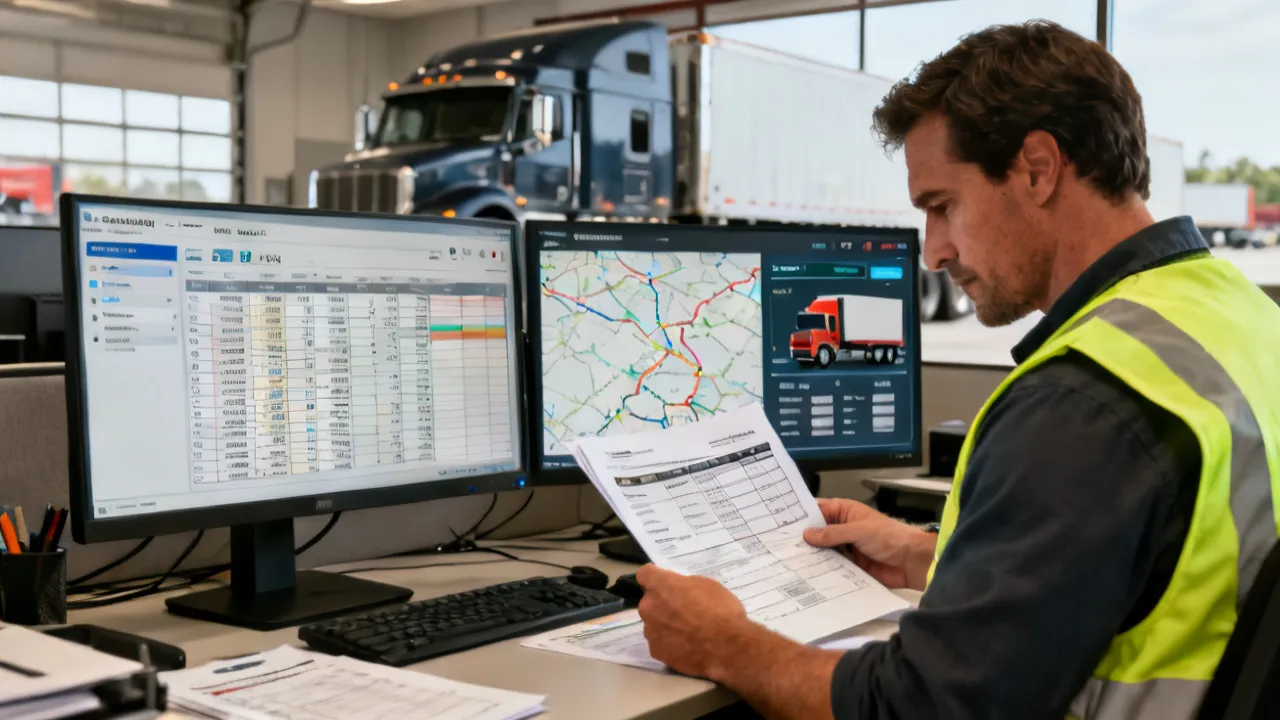
Modern Trucker Payroll Practices for Fleet Compliance

Trucker Payroll Management: Rates, Compliance, Top Practices

Trucker Payroll: Compliance, Costs, and Top Practices
Trucker Payroll: Compliance, Costs, and Top Practices

Trucker Payroll: Compliance, Costs, and Payment Accuracy

Trucks for Sale and Instalment: Buy Smart
Trucks for sale and instalment plans can help many buyers move from browsing to owning a vehicle without stretching cash flow. This guide explains how to evaluate truck inventory, understand financing terms, and compare reputable dealers, while keeping expectations realistic. It also reviews official car-trading websites where trucks and financing options are often listed, providing an objective background for informed decisions.

Trucks for Sale and Installment Buying Guide
Trucks for Sale and Instalment programs can make upgrading practical by spreading payments over time. This guide explains how installment deals work, what to check before signing, and how to compare listings from major official car trading platforms. It also offers an objective decision framework for finding a reliable truck at a fair total cost, including common documentation and eligibility needs.
Trucks for Sale and Instalment: Smart Buying Guide
Trucks for sale and instalment deals require more than choosing a model—buyers must understand total cost, credit fit, and the paperwork that makes monthly payments reliable. This guide offers an objective overview of how instalment plans typically work and how to compare options across major official car trading platforms. It also outlines practical steps for finding a good-value truck while managing risk.
Buying Trucks for Sale and Instalment Responsibly
This guide explains how to buy trucks for sale with instalment options while keeping choices practical and compliant. You’ll learn what to check before financing, how to compare offers across reputable marketplaces, and how to spot reliable deals. It also outlines a step-by-step approach to estimating monthly affordability, verifying vehicle history, and choosing terms from trusted official car trading websites—using objective guidance rather than hype.
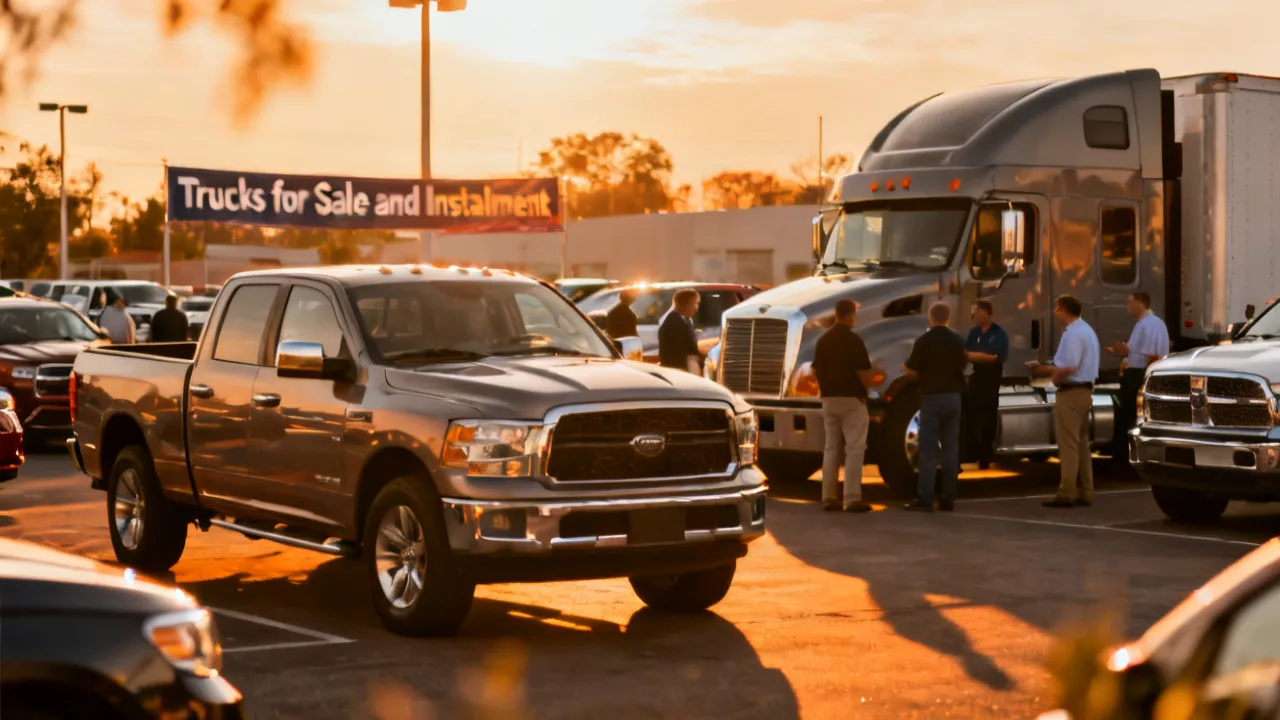
How to Buy Trucks for Sale with Instalments
This guide explains how to find and buy trucks for sale with instalment options, focusing on practical selection, financing readiness, and cost control. “Trucks for Sale and Instalment” reflects a common pathway for commercial buyers who want access to reliable transport without paying the full amount upfront. Background context covers how online marketplaces, dealer inventories, and credit qualification typically shape availability and total ownership cost.
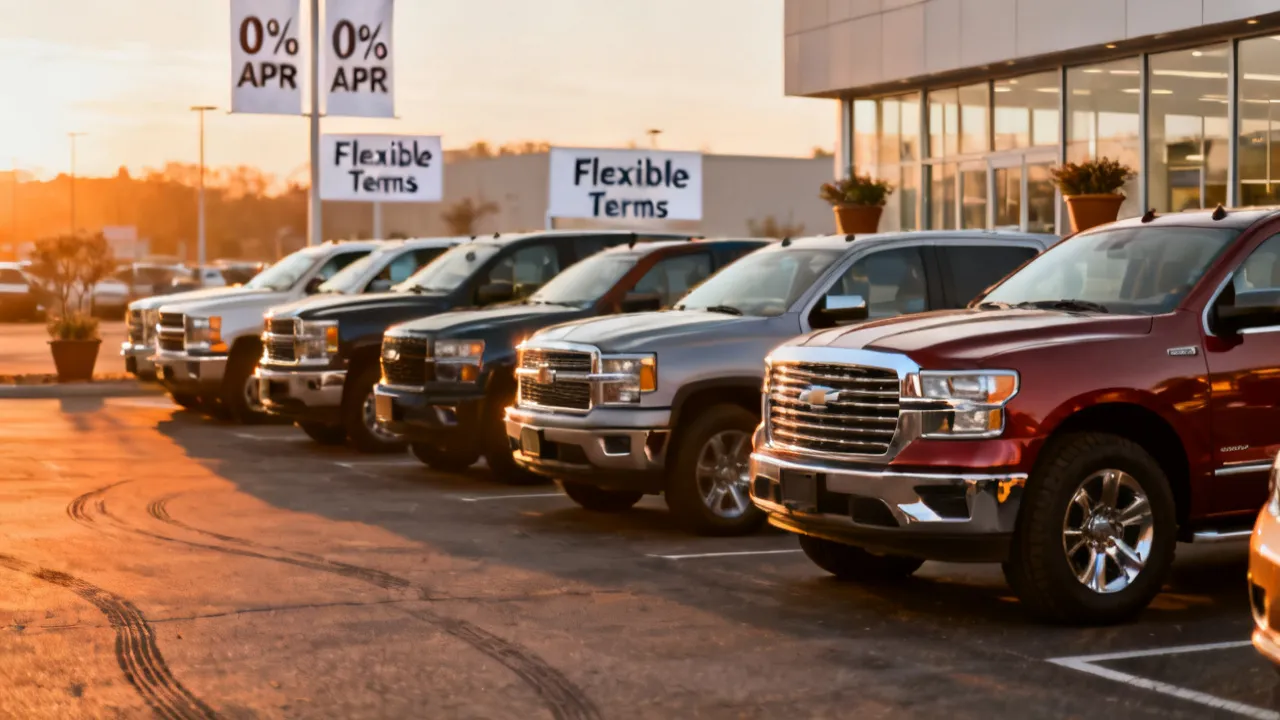
Trucks for Sale with Installment Options
This guide explains how to find trucks for sale and instalment plans, compare reputable listings, and estimate total costs before committing. It begins with objective background on keyword concepts—dealer inventories, financing structures, and eligibility factors—then moves to practical steps for spotting dependable offers, narrowing choices, and completing paperwork with confidence using established car trading platforms.