This guide explains how to evaluate vehicle availability and buy a car that’s on sale with confidence. It provides objective background on how dealer inventories update, why listings can differ by trim and mileage, and how to compare multiple official trading platforms. You’ll also find a practical checklist, buying steps, conditions, and FAQs—helping you translate online offers into a well-informed purchase decision.

Vehicle availability is often the hidden factor behind “good deals.” Even when a car appears on sale online, the exact match—make, model, year, trim, mileage, title status, and location—can be temporarily unavailable, reserved, or sold between your search and your appointment. For buyers, this means the buying experience is less about the advertised “sale” label and more about the current inventory reality.
From an industry perspective, inventory systems update in waves: some listings refresh hourly, others daily, and certain vehicles move quickly once financing or a buyer is in progress. Therefore, the very reliable approach is to treat vehicle availability as a dynamic variable, then verify it through credible, official trading website inventory pages before you commit.
In practical terms, “on sale” is a marketing status. “Available” is a purchasing status. A sale tag can be accurate in the moment it was posted, but if the car is no longer present in the seller’s sellable inventory—because it has been picked up at auction, transferred, reserved pending financing, or pulled for repairs—the sale becomes a mismatch. That mismatch is what creates frustration, wasted time, and sometimes an unexpectedly higher total price when you arrive and the story has changed.
This is why disciplined buyers build a verification step into their workflow. They don’t merely click “contact dealer.” They ask the inventory owner to confirm availability, title status, and readiness to purchase on the specific terms they’re planning to use. They also understand that different platforms may pull data from different feeds and refresh schedules. The most reliable buying outcome happens when you treat inventory confirmation as part of the deal—not something you do after you’ve already committed your time and deposit.
“Vehicle availability” typically refers to whether a specific vehicle (or configuration) is actively listed for purchase and can be reserved or bought at the time of your inquiry. In practice, online listings may be based on dealership inventory feeds, auction sourcing channels, or third-party aggregated data. Differences can occur because:
When you evaluate vehicle availability, your goal is not just to find a car “on sale,” but to confirm that the on-sale vehicle is still purchasable under terms that matter to you—pricing, documentation, mileage verification, and any applicable fees.
Another way to think about it is this: availability is the probability that the exact car you want will still be there when you are ready to sign paperwork. That probability can be high for vehicles that have been sitting for weeks, but it can drop quickly for vehicles with strong demand, limited color/trim combinations, and promotional pricing. A good deal is less about “the lowest posted price” and more about “the deal you can actually complete.”
In many markets, you can also encounter “availability ambiguity,” where a listing is technically visible but not truly sellable. For example, a car may be listed as available while internally it is on hold for a pending buyer, or it may be listed as available but has a lock on title processing. Even when that ambiguity lasts only a few hours, it can be enough to create missed opportunities—especially if you are traveling from out of town.
From a buyer’s perspective, understanding common availability states reduces confusion. Many platforms display status wording that looks similar but means different things. A “pending” vehicle might still be purchasable if the financing falls through, but it might also become unavailable immediately once a deposit is placed. A vehicle “in transit” might be purchasable only after arrival, which could affect your timeline and financing paperwork. A “reserved” car may be effectively unavailable unless the reservation is canceled.
To reduce the risk of acting on outdated inventory, start with official or widely used trading inventory platforms. Below is a comparison of key sources commonly used for browsing and verifying vehicle availability and on-sale inventory.
| Platform | What it’s useful for |
|---|---|
| cars.com | Broad marketplace browsing and cross-dealer listing discovery for on-sale vehicles |
| CarMax | Large used inventory coverage with structured listing information for verification |
| Caronsale | Targeted discovery of cars on sale via specific marketplace listings |
| Autotrader | Marketplace listings that help compare availability across different dealers |
Source of the information:
www.cars.com (cars.com)
www.carmax.com/cars (CarMax)
www.caronsale.com/en (Caronsale)
www.autotrader.com (Autotrader)
Beyond these platforms, it’s worth understanding that “official” doesn’t always mean “best for verification.” Some platforms are strong for discovery, but the final authority is still the seller’s inventory system. Even when you browse on a major marketplace, you should confirm the vehicle directly with the dealership or inventory owner before you plan a purchase trip.
Also, consider geographic relevance. Many listings show a location or dealership address, but the vehicle may not be physically ready at that location. A car might be at a distribution center, undergoing inspection, or waiting on transport. If you’re making a long-distance appointment, your verification should include not only availability status but also readiness date and pickup process.
“Cheap” is top defined through measurable criteria: total out-the-door cost, warranty/coverage (if applicable), and the likelihood of encountering unexpected costs. For an expert buying strategy, you should build a repeatable process that connects online inventory data with real purchasing terms.
In a perfect world, the first search result would be both available and affordable in the same way the listing claims. Reality is more complex: prices can be conditional, the vehicle can be reserved, and the documentation can affect your final cost. A structured approach reduces those risks by forcing you to treat every “deal” as a hypothesis that you confirm with evidence.
Start with filters that directly affect value and operating cost:
Then narrow by trim and essential packages. This reduces mismatches that can cause “it was available yesterday, but not today.”
To make this step even more robust, consider adding filters for features that change long-term ownership value—especially for cars where certain packages affect resale value and service costs. For instance:
When you filter for these, you reduce the number of “near matches” and prevent wasted calls. A common buying mistake is to treat a listing as the same car even when it differs by a trim package that affects reliability, comfort, or repair costs. Availability verification becomes easier when your list is already narrowed to the likely correct configuration.
Once you spot an on-sale vehicle, verify its status using a time-sensitive workflow:
In many markets, delays occur when vehicles are in transit or held for financing approval. A short confirmation call can prevent wasted trips.
To make your confirmation call more effective, prepare specific questions. For example:
It’s also helpful to ask what “availability” means in their internal process. Some sellers treat availability as “we can sell it if the deal is approved today.” Others mean “it is ready to hand off for pickup.” Those interpretations matter if you’re on a deadline or traveling. A buyer who clarifies that difference before driving can avoid a situation where the car is technically still in inventory but not yet ready.
Another practical angle: verify listing recency. If a listing has been posted for weeks, the chances of it selling before your appointment might be lower than a listing that appears and gets promoted for a limited time. However, that’s not always true—sometimes a car appears on sale because it is already a strong inventory mover, and it may attract fast interest. The safe path is always real-time confirmation.
In industry practice, the same headline price can produce different outcomes depending on fees, add-ons, and documentation charges. Compare:
To keep the comparison objective, ask for itemized totals rather than relying on a single final number from memory.
To avoid confusion, ask for the dealer’s breakdown in a format that mirrors your decision-making. For example, you may want:
This helps you separate “price reductions” from “price reductions plus add-ons.” A vehicle may be “on sale” but your total cost might be higher if add-ons are required or if the sale is conditional. If you are comparing multiple dealerships, itemized totals also allow you to compare like-for-like rather than comparing vague quotes.
Also remember that incentives can be structured differently: sometimes the discount applies only if you finance through the dealer or meet certain eligibility conditions. Sometimes the advertised price includes a trade-in assumption or a rebate that requires proof of qualification. Those nuances are not always visible in the listing summary.
Cheap cars are not automatically bad deals—but the “cheap” category can conceal higher future costs. Evaluate:
This step protects your budget by aligning purchase price with expected ownership costs.
To expand this step, think beyond immediate repairs. Evaluate risk factors that influence your likelihood of paying for big-ticket items soon after purchase:
Availability affects this step too. If the car is newly listed and selling quickly, it may not have had time to go through reconditioning. Some sellers list cars early and then complete minor work later. That doesn’t necessarily make the car bad, but it does mean you should ask whether any items are still pending repairs.
A buyer who checks maintenance fit while confirming availability is more likely to negotiate effectively. If an inspection reveals needed repairs, you can decide whether the deal remains “cheap” after accounting for those costs.
A pre-purchase inspection is the very practical way to translate online claims into real condition. If the vehicle is on sale, it may still require repairs; the key is whether the dealer will address safety items or adjust pricing after findings.
If the platform provides inspection reports, treat them as starting points—not absolutes—and verify anything that seems inconsistent (especially if photos show recent cosmetic fixes).
To make an inspection truly useful, decide in advance what you’re trying to confirm. Many buyers focus on obvious issues like leaks and tire wear, but the best inspections also examine underbody condition, electronic diagnostics, and test-drive findings.
Ask about:
Inspection results should also connect back to availability and negotiation. If the car is currently available but listed as “recently serviced,” you want to confirm that servicing didn’t mask underlying problems. If the car is pending and the seller is rushing to finalize, you may need to ensure your inspection happens in time. Again, your timeline must match the vehicle’s availability window.
Negotiation works top when you can anchor it to facts:
Because vehicle availability can change quickly, you should keep your negotiation timeline disciplined—confirm availability first, then negotiate using evidence.
A strong negotiation strategy includes understanding how the seller might price for uncertainty. For example, dealers may discount a car but assume there could be reconditioning costs. If your inspection reduces that uncertainty, you can push for a better price. If your inspection uncovers additional costs, you can request either repairs or a price adjustment.
To keep negotiation objective, consider using a “walkaway number” tied to the total cost and your ownership plan. When you compare deals, base your walkaway number on:
Also, don’t negotiate in a vacuum. Use the VIN and the specific configuration to ensure you’re negotiating the same car you verified. Many miscommunications happen when a buyer and a seller are discussing “the deal” but not the exact vehicle. By anchoring negotiation to the VIN, you reduce the risk of misunderstanding.
Finally, negotiation should reflect urgency. If the vehicle is likely to sell soon, you may need a faster decision. If you delay, you could lose it. If the vehicle has been sitting for a long time, you may have more room. That difference is often visible through listing history and your conversations with the seller—but availability confirmation is still the final truth.
On-sale cars often come with limited promotional windows. Ensure you understand:
Ask for written documentation (or a purchase order summary) before you provide deposits.
In addition to promotion terms, pay attention to the documentation process itself. Some sellers can provide a purchase order quickly; others require additional steps for title paperwork, payoffs, and lien releases. If the vehicle’s title status is unclear, it can slow your closing timeline.
Common documentation questions include:
Because availability can change, deposit rules matter. If you place a deposit, ensure the seller’s written terms explain what happens if the vehicle becomes unavailable or if the inspection results require renegotiation. A deposit should not become a one-way risk.
Timing also impacts financing approval. Some on-sale promotions depend on financing. If you’re pre-approved, you may move quickly. If you’re not, you may face delays that risk losing the vehicle to another buyer. The buyer who prepares financing documentation ahead of time is more likely to complete the deal before availability changes.
To make vehicle availability actionable, consider the following practical conditions. The goal is to prevent avoidable friction and protect pricing integrity.
| Condition/Requirement | Why it matters |
|---|---|
| Availability confirmation before travel | Listings can change; a verified status reduces the risk of “sold/pending” surprises |
| Itemized pricing and fee disclosure | “Sale price” may not equal your out-the-door cost |
| Inspection and documentation alignment | Photos and claims must match inspection reality to avoid budget overruns |
| Promotion or financing eligibility checks | Some on-sale offers depend on credit approval or specific purchase terms |
| Clear deposit terms (if any) | Protects you if availability changes or inspection results require renegotiation |
To expand these requirements into a practical checklist, consider building your purchase flow in phases:
This staged approach matters because each stage depends on the one before it. If you skip verification and go directly to inspection or negotiation, you risk investing effort in a vehicle that becomes unavailable. Conversely, if you verify availability but ignore total cost or condition, you might complete the deal—but not necessarily the “good deal” you intended.
While every platform has its own presentation style, the underlying process is similar: you browse listings, identify likely matches, then verify current status. Here’s how each commonly functions from a buyer workflow perspective:
Beyond the basic workflow, it helps to anticipate how platform-specific experiences may affect your verification process.
For example, some sites show “save,” “favorite,” or “request info” features that suggest a level of reservation. In most cases, those features do not guarantee the car will be held. They may notify the seller or create an inquiry record, but they don’t replace a formal agreement. If you want the car held, ask the seller explicitly whether they can reserve it for you and under what conditions.
Similarly, if you see a vehicle description that includes details like “new arrival,” “just reduced,” or “limited time offer,” the language may reflect marketing rather than strict inventory stability. A buyer can use that language to decide urgency, but should still verify current status in real time.
Also consider the possibility of “stock number” or “listing ID” differences between platforms. A car may share the same VIN, but the platform listing might use a different internal identifier. When you talk to a seller, provide the VIN if possible. VIN-based verification reduces confusion and ensures both sides are discussing the same unit.
As an industry-aligned buying approach, it helps to distinguish “price reductions” from “price cuts with hidden tradeoffs.” Look for these signals:
This is where vehicle availability connects to value: the “top deals” often go to buyers who verify quickly and act with documentation in hand.
To go deeper, consider how “real value” behaves under verification. A truly good on-sale deal remains good after you account for:
If the deal collapses under these factors, then the listing’s low price is less a bargain and more a trap. Availability matters here too. If a seller is responsive, provides accurate information, and updates status quickly, your confidence should increase. If the seller repeatedly avoids verification questions, delays your calls, or cannot confirm the VIN/mileage/title status, that is a warning sign.
Another expert tip is to analyze timing. When vehicles are marketed as “just reduced,” sellers may be adjusting prices to increase velocity. If you find multiple similar vehicles listed at different discount levels, compare them by configuration and condition rather than by price alone. Sometimes the best deal is not the lowest price; it’s the one with the most transparent condition and the least risk of hidden costs.
Also, remember that “on sale” can include manufacturer incentives or dealer promotions. If the listing is tied to a rebate, eligibility may depend on factors such as residency, trade-in status, credit tier, or purchase timeframe. A buyer who verifies eligibility before relying on the deal can avoid surprise outcomes where the promotion is not available for their specific situation.
Even careful shoppers can lose money or time if they ignore availability dynamics. Common pitfalls include:
Correcting these mistakes typically requires a disciplined process: confirm availability, verify details, compare total cost, then finalize with documentation.
To help you avoid these mistakes, it’s useful to understand why they happen:
Another mistake is not asking the “uncomfortable” questions early. Questions about prior damage, title status, warranty coverage, and whether repairs are complete are uncomfortable to some buyers, but those questions are exactly what prevent costly surprises. If a seller cannot answer clearly, it’s better to find out before you travel.
Use the listing’s current status indicators and contact the inventory owner to request a real-time confirmation. Ask whether the vehicle is available to reserve, whether it is pending, and whether it is in transit. If the platform supports reservation, use that feature and obtain written confirmation.
It also helps to compare the listing timestamp (if available) and watch whether the listing includes language like “just arrived,” “just reduced,” or “will be ready soon.” While these phrases do not guarantee availability, they can indicate how quickly the inventory might change. If you’re ready to buy quickly, confirm availability immediately rather than waiting a day.
“On sale” commonly indicates a reduced price, a promotional pricing event, or a dealer discount relative to typical pricing. The exact terms can vary—sometimes eligibility depends on financing or purchase conditions. Always request itemized pricing and promotion eligibility details.
In some cases, “on sale” might also mean the price is lower than a previous listing price rather than lower than the market average. That can still be a good deal, but it requires comparison and verification. Confirm whether the discount is limited-time, conditional, or tied to specific requirements you may or may not meet.
Comparing multiple platforms is often more efficient for finding options quickly, but you should verify the exact vehicle on the dealer’s side. Use multiple sites to discover leads, then treat availability confirmation and documentation as your final gate before purchase.
Comparing multiple platforms can also improve your negotiation position. If you find the same VIN or matching configuration across different sellers, you may use verified market differences to ask for a better price—assuming you can substantiate the difference with documentation and out-the-door numbers.
That’s a normal outcome of inventory movement. Vehicles can be reserved, sold, moved to pending status, or updated in the system on varying refresh schedules. Confirm availability promptly, especially for strong deals.
Listings can also temporarily disappear due to reconditioning updates or listing feed corrections. For instance, a dealer may update photos, correct mileage, or finalize title paperwork and temporarily remove the listing until the updates complete. While that doesn’t automatically mean the car is gone, it does mean you should treat the listing as time-sensitive and verify with the seller.
Ask for an itemized quote that includes taxes, registration estimates, documentation fees, and any dealer add-ons. Review whether the sale price is conditional (e.g., financing terms). If possible, insist on a clear out-the-door figure before you commit.
Hidden costs can also appear as “required” add-ons. Ask whether add-ons are mandatory and whether they can be removed. If you’re comparing offers from multiple dealers, itemized quotes are the only way to compare fairly, because each dealer’s fee structure can differ.
Proceed only after verification. A low price can be legitimate, but it can also reflect missing history, prior damage, or other tradeoffs. Require an inspection and ask for clarification on the discount basis.
Also consider whether the listing indicates any branding, such as salvage or rebuilt titles, or whether it mentions prior damage disclosures. A very low price with unclear history is a risk signal. A very low price with transparent disclosures and a strong inspection outcome may still be a deal, but it should be justified by facts.
Yes. The discount doesn’t replace due diligence. Inspections help you evaluate safety, mechanical condition, and whether repairs should affect the final price.
Even when a car comes from a seller that appears reputable, the inspection protects you. A car can be discounted for genuine reasons (high mileage, cosmetic wear, older model year) or for reasons that require attention (worn components, leak issues, electrical faults). The inspection helps you differentiate those scenarios.
Negotiate using verified facts: inspection results, documentation consistency, and comparable market pricing. Be direct about your target out-the-door cost and ask the dealer to adjust based on concrete findings.
Negotiation is strongest when you keep it specific. For example, if inspection identifies brake work needed soon, ask for either the repair before delivery or a documented price reduction based on expected repair costs. Similarly, if documentation reveals the vehicle is missing a component or has incomplete maintenance history, use that evidence to negotiate.
1). The above information comes from online resources, and the data is as of October 2023.
2). For more information, please refer to the official website.
Reference links (including all links mentioned):
https://www.cars.com/
https://www.carmax.com/cars
https://www.caronsale.com/en
https://www.autotrader.com/
Trucker Payroll: Compliance, Deductions, and Top Practices

Trucker Payroll: A Practical Guide for Accurate Pay

Trucker Payroll: Compliance, Accuracy, and Top Practices

Mastering Trucker Payroll for Accurate Fleet Compensation

Modern Trucker Payroll Practices for Fleet Compliance

Trucker Payroll Management: Rates, Compliance, Top Practices

Trucker Payroll: Compliance, Costs, and Top Practices

Trucker Payroll: Compliance, Costs, and Top Practices

Trucker Payroll: Compliance, Costs, and Payment Accuracy


Trucks for Sale and Instalment: Buy Smart
Trucks for sale and instalment plans can help many buyers move from browsing to owning a vehicle without stretching cash flow. This guide explains how to evaluate truck inventory, understand financing terms, and compare reputable dealers, while keeping expectations realistic. It also reviews official car-trading websites where trucks and financing options are often listed, providing an objective background for informed decisions.
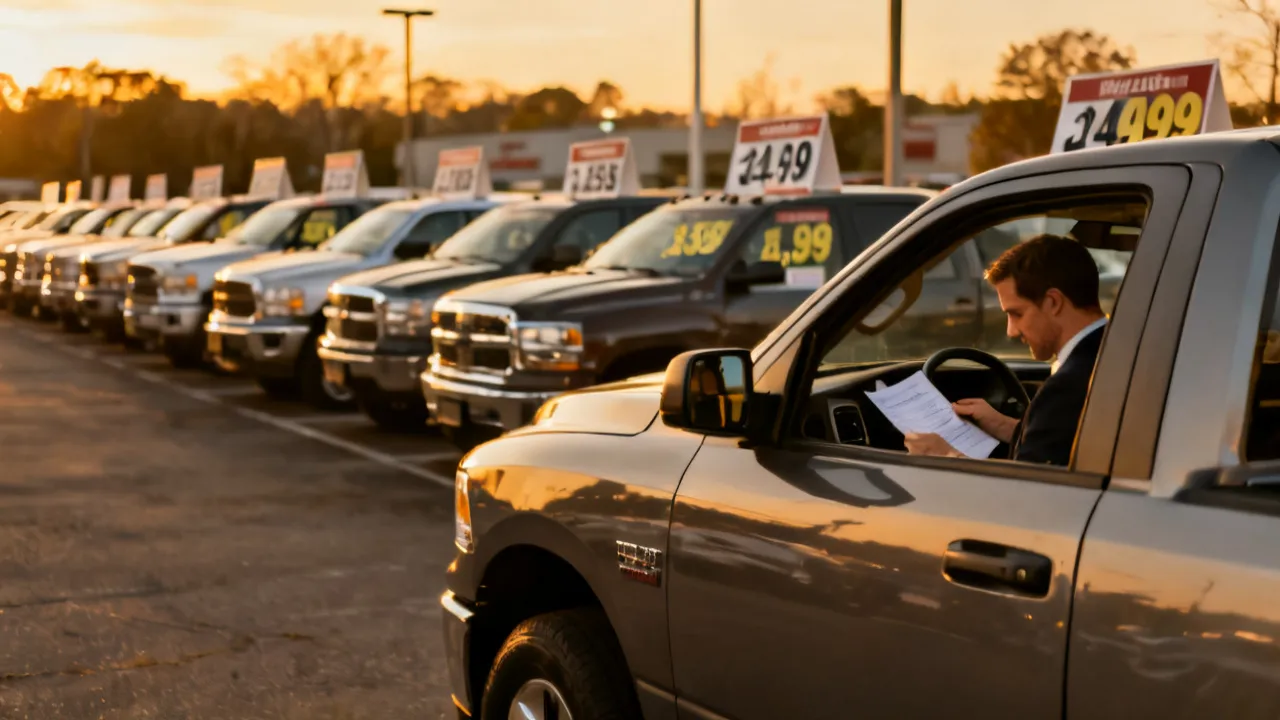
Trucks for Sale and Installment Buying Guide
Trucks for Sale and Instalment programs can make upgrading practical by spreading payments over time. This guide explains how installment deals work, what to check before signing, and how to compare listings from major official car trading platforms. It also offers an objective decision framework for finding a reliable truck at a fair total cost, including common documentation and eligibility needs.
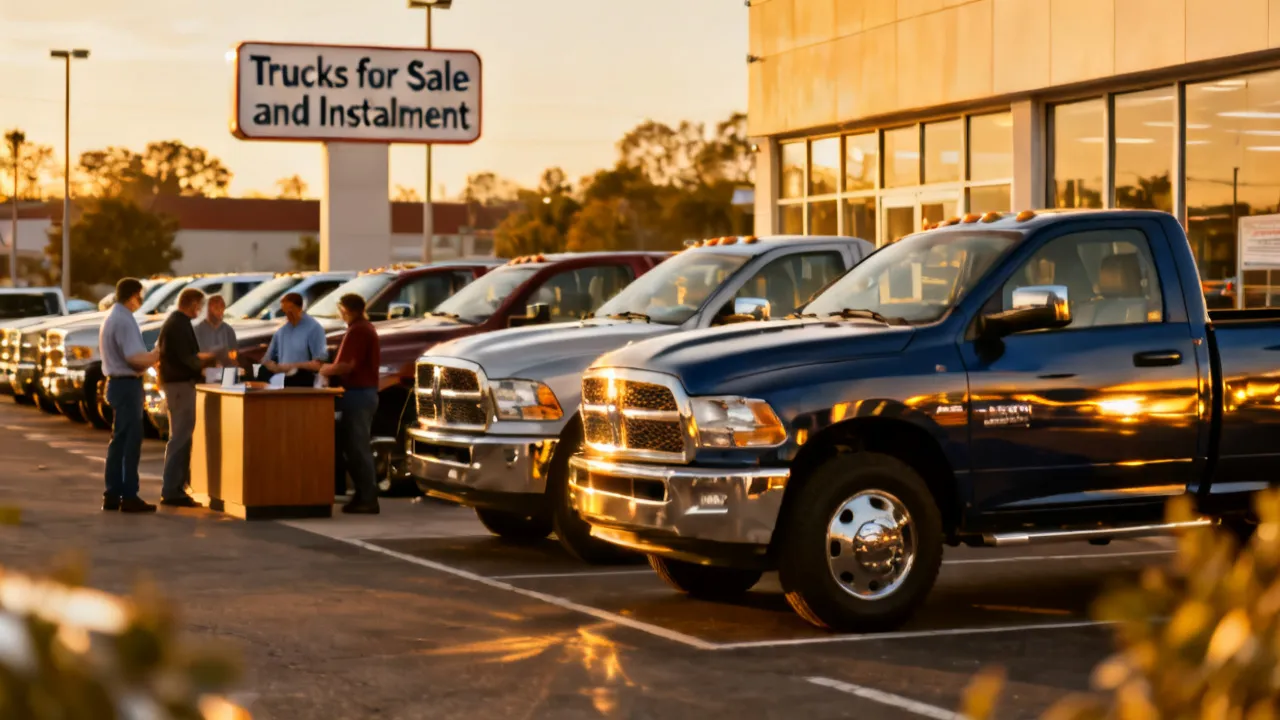
Trucks for Sale and Instalment: Smart Buying Guide
Trucks for sale and instalment deals require more than choosing a model—buyers must understand total cost, credit fit, and the paperwork that makes monthly payments reliable. This guide offers an objective overview of how instalment plans typically work and how to compare options across major official car trading platforms. It also outlines practical steps for finding a good-value truck while managing risk.
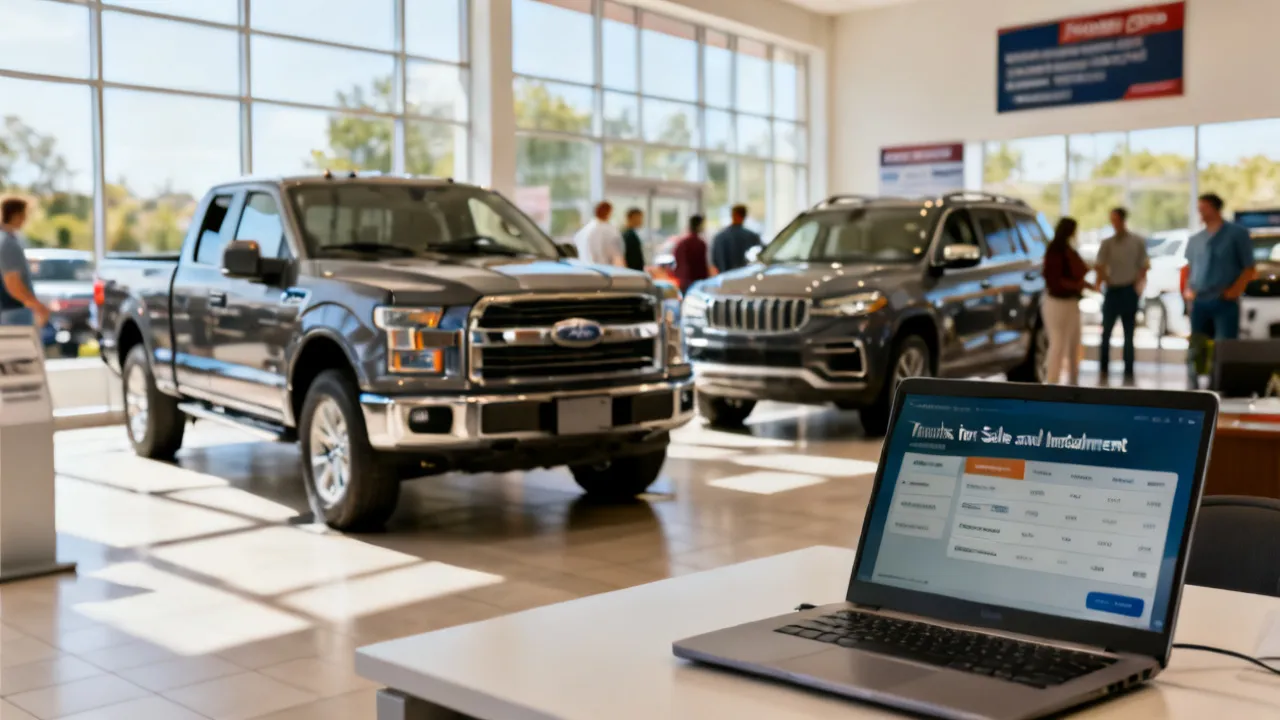
Buying Trucks for Sale and Instalment Responsibly
This guide explains how to buy trucks for sale with instalment options while keeping choices practical and compliant. You’ll learn what to check before financing, how to compare offers across reputable marketplaces, and how to spot reliable deals. It also outlines a step-by-step approach to estimating monthly affordability, verifying vehicle history, and choosing terms from trusted official car trading websites—using objective guidance rather than hype.

How to Buy Trucks for Sale with Instalments
This guide explains how to find and buy trucks for sale with instalment options, focusing on practical selection, financing readiness, and cost control. “Trucks for Sale and Instalment” reflects a common pathway for commercial buyers who want access to reliable transport without paying the full amount upfront. Background context covers how online marketplaces, dealer inventories, and credit qualification typically shape availability and total ownership cost.
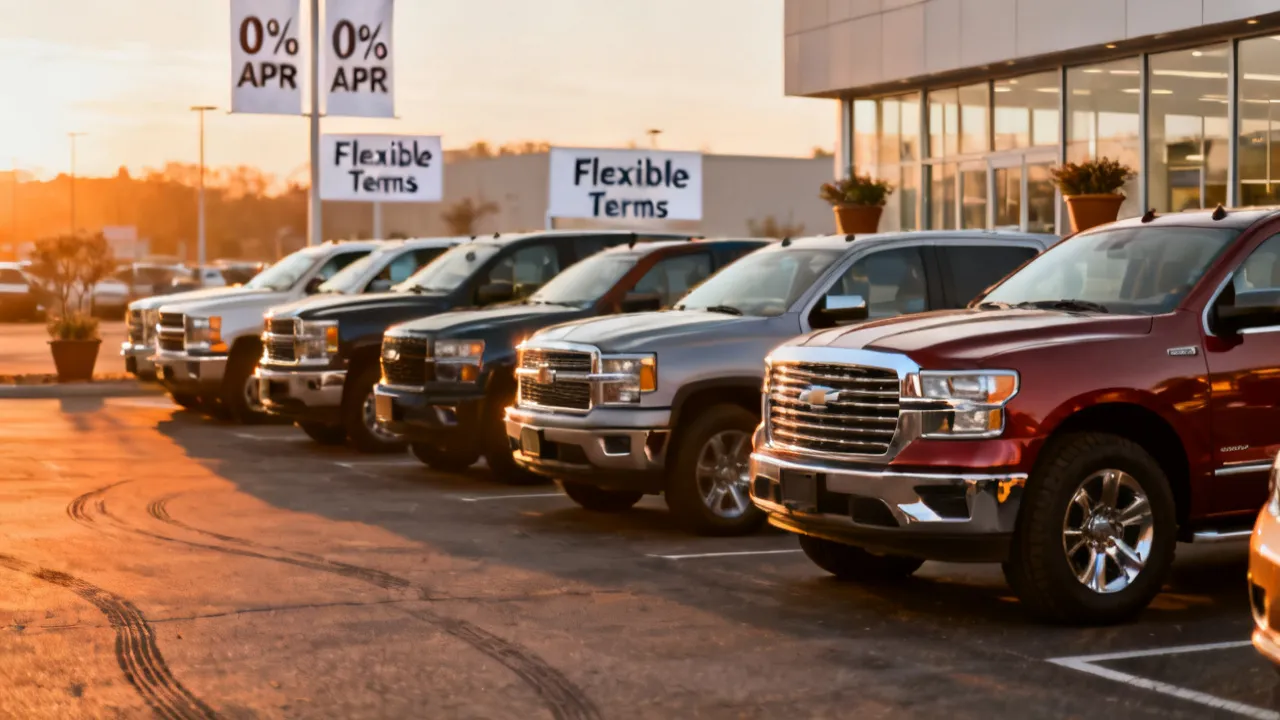
Trucks for Sale with Installment Options
This guide explains how to find trucks for sale and instalment plans, compare reputable listings, and estimate total costs before committing. It begins with objective background on keyword concepts—dealer inventories, financing structures, and eligibility factors—then moves to practical steps for spotting dependable offers, narrowing choices, and completing paperwork with confidence using established car trading platforms.