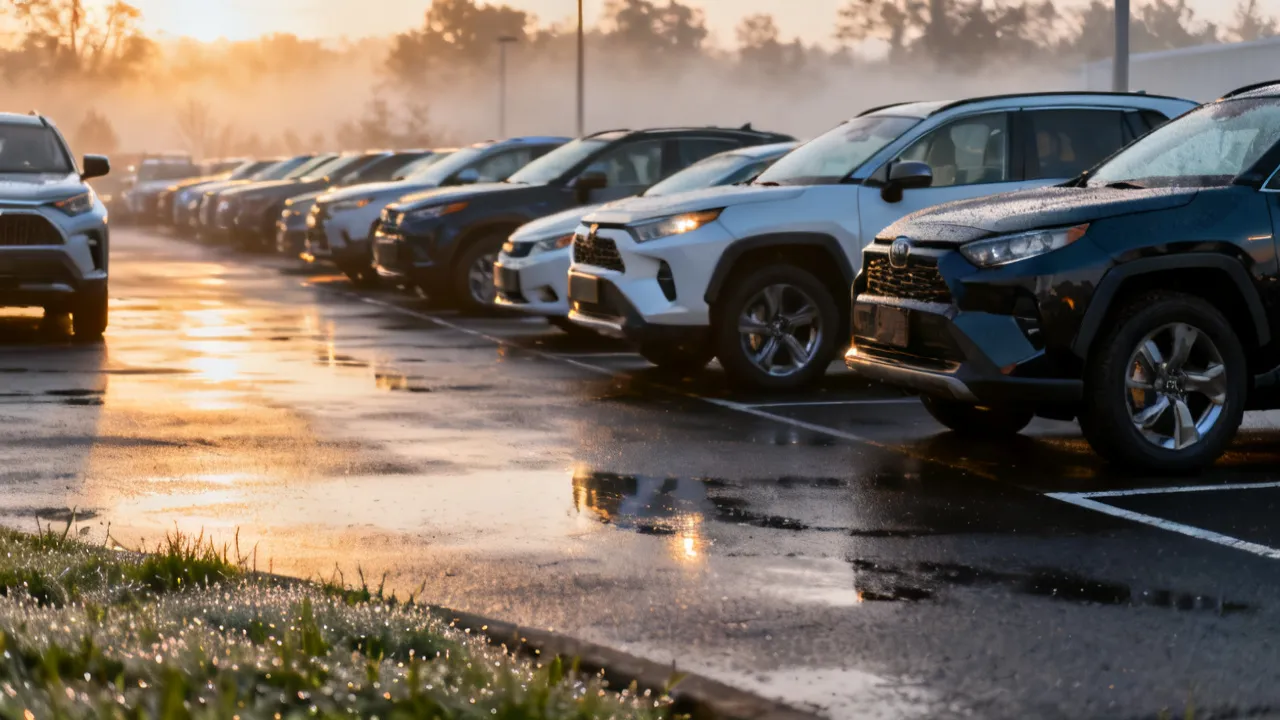
Vehicle Availability is the practical starting point for anyone trying to buy a cheap car with confidence. This guide explains how to interpret dealership and marketplace listings, compare inventory turnover, and evaluate pricing signals without relying on hype. It also outlines where to verify stock, how to budget for inspection and fees, and how to use official car trading platforms for smarter decisions.

If you want a cheap car or a vehicle “on sale,” the very reliable early step is understanding Vehicle Availability—what is actually in stock now, how quickly it moves, and what details are confirmed in the listing. In practice, buyers often lose money when they chase advertisements while ignoring whether the car is truly available for purchase, properly documented, and ready for inspection.
From an industry perspective, the top deals usually show up when buyers can quickly match three realities: (1) the vehicle is currently available, (2) the price reflects verifiable condition and market demand, and (3) the transaction terms (dealer fees, taxes, warranty/coverage, and financing conditions) don’t erase the savings. This guide focuses on how to evaluate those realities using trustworthy, official online marketplaces.
Vehicle Availability is more than a “yes/no” indicator. It’s a buying condition that combines inventory status, seller responsiveness, and documentation. When you search for cars for sale, you’re usually dealing with one of these scenarios:
As a result, the “low price” price online can be misleading if the vehicle’s availability changes after you contact the seller. Your goal is to narrow down options that remain purchasable while you complete due diligence.
To make this more practical, think of availability as a “chain.” If any link is weak, you should assume the deal will be harder than it looks online. The chain includes:
When people “guess” while shopping, it’s usually because they focus on the listing price while ignoring one or more links in that chain.
To reduce the risk of chasing outdated listings, use recognized official trading platforms and major dealer networks. Below is a comparison of the official sites referenced for finding cars and verifying current listings. Each platform can help you check current inventory and locate cars on sale based on your criteria (price range, model, mileage, drivetrain, and location).
| Platform | Top use in the buying flow | What to verify while checking inventory |
|---|---|---|
| cars.com (Official Car Trading Website) | Broad marketplace search with filters for pricing and vehicle details. | Listing status, posted location, dealer contact steps, and whether the car is ready to view. |
| Carmax | Dealer-driven inventory and structured buying experience. | Condition notes, inspection transparency, and whether any promotions apply to your specific vehicle. |
| Caronsale | Market-style discovery for cars on sale across available listings. | Cross-check the seller’s stated availability and confirm fees before finalizing. |
| Autotrader | Large listing ecosystem for comparing prices and specs. | Time since posting, availability changes, and consistent details across photos/spec fields. |
Source of information:
source: www.cars.com
source: www.carmax.com/cars
source: www.caronsale.com/en
source: www.autotrader.com
(These are the official reference sources provided for the platforms listed above.)
Even with official sites, inventory can change quickly. A vehicle can be listed today and placed on hold tomorrow; a seller can update availability details later. That’s why “verification” is the real skill. You’re not only searching—you’re continuously checking that the listing is still consistent with the vehicle you intend to buy.
In practical terms, you should treat the platform as the first layer of data, not the final authority. Your second layer is direct confirmation from the seller and, where possible, documentation you can review.
Many “cheap car” strategies fail because they focus only on headline prices. A more defensible approach is to search in a way that respects Vehicle Availability and transaction structure.
When you use availability signals, you’re trying to avoid the two common traps:
Vehicle Availability signals help you identify which category you’re dealing with before you waste time.
Use your budget as a filter, but confirm that listings remain active long enough for you to schedule an inspection. If the seller cannot confirm availability quickly, move on.
Cheap prices usually correlate with either high mileage, cosmetic wear, or undisclosed issues. Strong listings often include enough detail to evaluate risk.
When you see consistent VIN-related detail, service history notes (where available), and clear photos, the listing tends to be more “real” and less likely to change abruptly.
For example, if one platform shows a far lower price for a similar year/make/model, investigate why: differences in trim, accident history disclosures, or missing features can change the real value.
Even the top platform can include outdated listings. Contact the dealer or seller and ask: “Is it still available? When can I view it? What is the out-the-door price estimate?” The answers reveal real inventory control.
To expand the idea of “signals,” it helps to understand what availability looks like in different listing styles.
Listings generally fall into patterns. Learning those patterns helps you quickly spot when a “cheap car” listing is likely to be trustworthy or likely to cause delays.
1) Dealer listing with a dedicated vehicle page
A typical major-dealer listing will often include location hours, a direct contact path, and a vehicle status description. The key availability sign is whether the seller can provide a viewing appointment without lengthy friction. If you ask for a test drive and they respond with “we’ll see,” that’s a subtle availability warning.
2) Marketplace listing with stock-dependent wording
Some sellers list vehicles using syndicated inventory feeds. In these cases, the listing can be “active” but not actually ready to be sold immediately. Availability may depend on pending inspections, reconditioning schedules, or internal approvals.
3) Private seller listing
Private sellers can be honest and fast, but they may also have uncertainty (for example, “I think the car will be available this weekend”). If your priority is immediate purchase, prioritize sellers who respond with fixed times and a clear process.
4) “On sale” banners with limited vehicle detail
Marketing language may highlight discounts, but limited details can indicate the car isn’t fully evaluated or priced only as a placeholder. For a cheap car, incomplete listings can be more expensive later.
“On sale” usually indicates that a seller expects demand competition or wants faster turn. From an expert standpoint, the key is to interpret what drove the markdown. Price reductions can be legitimate (new competitive listing in the area, seasonal inventory changes, higher mileage, or minor cosmetic issues), or they can be a sign of reconditioning needs.
Before assuming value, verify these items:
Pricing psychology also depends on how a dealer manages inventory turnover. For instance:
A “cheap” car is only a bargain if the price still makes sense after you account for the real condition, the time needed to prepare the car, and the total transaction cost.
To prevent “availability traps,” treat each car decision like a small project. The requirements below reflect common due diligence practices in the used-car market.
| Requirement | Why it matters for Vehicle Availability | What to do |
|---|---|---|
| Confirmation of active status | Ensures the listing matches a purchasable vehicle today. | Ask for VIN confirmation and whether it’s still available for immediate sale. |
| Inspection plan before payment | Prevents paying for problems discovered after you commit. | Schedule an independent pre-purchase inspection where possible. |
| Out-the-door price estimate | Availability doesn’t help if final cost exceeds budget. | Request a full breakdown: taxes, fees, and any add-on charges. |
| Title and history documentation | Hidden history can reduce real value even when the price is low. | Verify title status and obtain relevant history reports when available. |
| Warranty/return or coverage terms | Availability timing can affect what protections apply. | Ask what coverage exists, expiration dates, and claim procedures. |
To make this checklist even more actionable, you should think in terms of “proof.” Availability should come with proof you can verify—VIN match, consistent details, and documented terms. If the seller offers the same proof repeatedly, it’s a good sign; if they keep changing details, it’s a risk sign.
Below is a practical, step-by-step workflow that reduces risk and strengthens your bargaining position—especially when you’re focused on Vehicle Availability and trying to secure a cheap car that’s truly “on sale.”
Use inventory filters on official trading sites and save listings that meet your budget and basic preference.
Ask for current status, expected pickup/viewing windows, and any upcoming hold periods.
Cross-check the VIN, trim, mileage, drivetrain, and whether photos reflect the actual condition today.
Many buyers focus on the purchase price and miss doc fees and add-ons. Ask for an itemized estimate before negotiation.
Even a well-priced car can have expensive problems. If a seller discourages inspection, consider it a red flag.
Use inspection findings, comparable listing prices from the same platform(s), and missing warranty/coverage to support your offer.
Review all paperwork carefully—especially contract language about warranty coverage, return terms, and financing conditions.
Buying a cheap car is rarely a single decision—it’s an iterative confirmation process. The more structured your steps are, the less likely you are to be pressured by a seller’s urgency tactics.
Many buyers ask vague questions like “Is the car still available?” Vague questions invite vague answers. If your goal is to prevent guessing, ask questions that force specificity.
Use availability questions like:
These questions do two important things. First, they confirm availability quickly. Second, they reduce the chances of misunderstandings later, because you’ll have a record of what you were told.
Comparing deals responsibly requires consistency. If you compare cars with different equipment or condition levels, you may misjudge value. Cheap cars can look similar on paper but have different costs in practice.
When you compare listings, be consistent across:
If you find yourself tempted to focus on the lowest headline price, pause and run the availability-cost-risk triad:
This triad is the core logic behind buying a cheap car without guessing. It keeps you grounded in real conditions rather than marketing.
In mainstream used-car retail, inventory is managed like a pipeline. Vehicles move through acquisition, reconditioning (if needed), and listing. Vehicle Availability therefore reflects operational readiness: a car can look “cheap” while it’s in a stage that makes it unavailable for immediate sale (or expensive reconditioning is pending).
Market dynamics also influence pricing. When inventory accumulates—perhaps due to supply changes or consumer demand shifts—sellers may reduce prices to clear stock. However, the very aggressive markdowns can coincide with higher risk: older model years, higher mileage, cosmetic issues, or limited history. The top “cheap car” purchases typically happen when you can verify condition and negotiate against the true cost of ownership.
Dealers often have internal statuses not fully visible to buyers. For example:
If you’re trying to buy quickly, you need sellers who can confirm what stage the car is in. That’s why availability confirmation matters as much as the price.
Below are real-world scenarios that show how different availability realities affect deal outcomes. Use these as mental templates for your own search.
Move fast to confirm availability, schedule an inspection, and request a written out-the-door estimate. If responsiveness is slow, pivot to other listings. Urgency is valuable only if it’s aligned with availability, not if it’s aligned with uncertainty.
Compare listing completeness and documentation quality. Prefer cars with clearer condition notes and consistent details rather than the lowest headline price. If two cars are similarly priced, the one with better documentation and faster availability often represents less risk—even if the sticker price isn’t the lowest.
Ask whether any work has been completed, what parts were replaced, and whether there’s warranty coverage for the repairs. If reconditioning hasn’t happened yet, you need to know when it will complete and how it will be verified. A car can be cheap for a reason; your job is to determine whether the reason is manageable.
Don’t assume it’s a bargain. Instead, treat it as a probability problem: either it’s a genuine clearance discount or it’s missing disclosure. Confirm availability, ask for history documentation, and insist on an inspection. If the seller resists these steps, the price may be an indicator of hidden risk.
Prioritize availability and accurate trim matching. Some sellers list a vehicle without clearly stating whether the option is installed. Verify with VIN and feature checks before driving long distances. Cheap options missing critical equipment can lead to costly replacements or disappointment.
Buying a cheap car is not just about getting the lowest sticker price. It’s about controlling risk. Avoid these common pitfalls:
To build on that risk management mindset, here are additional “do not do” behaviors that frequently lead to buyer regret:
When evaluating cars on sale, keep comparisons consistent. Use similar criteria across listings: year, trim, mileage band, drivetrain, and disclosed condition. If you compare vehicles with different equipment levels (for example, premium audio, safety packages, or towing capability), your value assessment should reflect those differences.
As a baseline approach, do three checks for each candidate:
Another way to think about it: a cheap car isn’t just a price—it’s a bundle of future costs. Your job is to estimate those costs by confirming availability, reviewing documentation, and using an inspection to quantify risk.
While availability can’t be measured perfectly from a screen, some listing details correlate strongly with whether the car is ready for purchase. Look for patterns like:
None of these automatically mean the deal is bad, but they should push you toward more direct confirmation.
For buyers trying to secure a cheap car, out-the-door price is where deals are won or lost. Two cars with identical advertised prices can end up different after fees and taxes. And when a listing is promoted as “on sale,” some sellers may expect that you’ll stop thinking after you see the discount.
When you request an itemized out-the-door quote, you’re looking for clarity on categories such as:
To avoid guessing, insist on a quote that includes everything. If the seller can’t provide it upfront, ask for the best estimate in writing. A cheap car is only cheap if the final number stays within your budget.
Another reason buyers get surprised is that coverage terms depend on timing and eligibility. A car might be “on sale,” but the warranty might be limited or have conditions. Vehicle availability affects your ability to claim protections and the deadline to inspect the vehicle.
When you ask about warranty/coverage, you should clarify:
Return policies are especially important for budget cars because one major repair can exceed your savings. If a return policy exists, make sure you understand the time window and condition requirements. Vehicle availability can change your timeline; don’t assume you can return later without limits.
An independent pre-purchase inspection is one of the most effective tools for buying a cheap car without guessing. The inspection helps you discover issues that listings may not reveal—especially when a deal is priced low for reasons that aren’t obvious.
However, inspection value depends on how you handle it:
If a seller discourages independent inspection, your risk tolerance should decrease. Even if the car is available, you may be buying into unknowns that you can’t control.
Negotiation often goes wrong when buyers treat price as the only lever. For availability-first buyers, negotiation also includes time, documentation, and certainty. Your goal is to reduce uncertainty and get a fair total cost.
To negotiate effectively:
Availability-first negotiation means you don’t debate hypotheticals. You negotiate against facts.
Ask for real-time confirmation: availability status, VIN, and next steps to view or purchase. If a seller can’t confirm quickly or the details don’t match the listing, treat the price as uncertain.
To go one step further, ask about viewing windows and whether the car is currently on the lot. Availability is not just “yes” but “yes and I can see it soon.”
No. “On sale” may reflect legitimate inventory strategy, but it can also indicate undisclosed issues, limited warranty, or higher total fees. Always compare the out-the-door cost and confirm condition details.
A helpful mindset: if “on sale” is your only evidence of value, you don’t yet have enough data. Availability confirmation and documentation are your next evidence steps.
Different platforms serve different discovery needs. Use major marketplaces to cross-check inventory and listing accuracy. Then verify directly with the seller for status and terms, regardless of platform.
In practice, cross-checking across two platforms can reveal inconsistencies. If the same vehicle appears with different prices or different mileage info, that inconsistency should trigger extra verification.
Request an itemized out-the-door quote, confirm current availability, ask about warranty/return terms, and clarify any known issues. If financing is offered, ask how it changes the total price and whether promos require specific credit conditions.
Also ask for the VIN confirmation and whether any hold status exists. A seller who provides these quickly tends to have smoother inventory handling.
Yes. For lower-priced vehicles, one major repair can erase the savings. An inspection helps you understand risk and creates negotiation leverage based on evidence rather than assumptions.
Even if the seller offers a type of checklist inspection, an independent inspection adds unbiased credibility and can prevent you from buying something that looks fine but is mechanically unstable.
Online prices are a starting point. Final cost depends on fees, taxes, and financing terms. Confirm the full quote and ensure the vehicle you negotiate for matches the listing.
If you want “no guessing,” online price must be followed by a full itemized out-the-door quote and VIN-consistent verification.
If you want a fast method for staying consistent, use a simple script during your first call or message. Keep your tone polite but firm.
This script reduces the chance that you’ll proceed based on incomplete information.
1) The above information comes from online resources, and the data is as of October 2023.
2) For more information, please refer to the official website.
Vehicle Availability Guide for Smarter Vehicle Sourcing

Understanding Vehicle Availability for Smarter Buying Decisions

Vehicle Availability Guide for Buying a Cheap Car
Understanding Vehicle Availability for Smarter Buying Decisions

Vehicle Availability Guide to Buying a Cheap Car
Understanding Vehicle Availability for Smart Purchases
Vehicle Availability Strategies for Smarter Decisions

Vehicle Availability and Smart Buying Guide
How to Use Vehicle Availability to Find Deals
Vehicle Availability Guide for Buying a Cheap Car
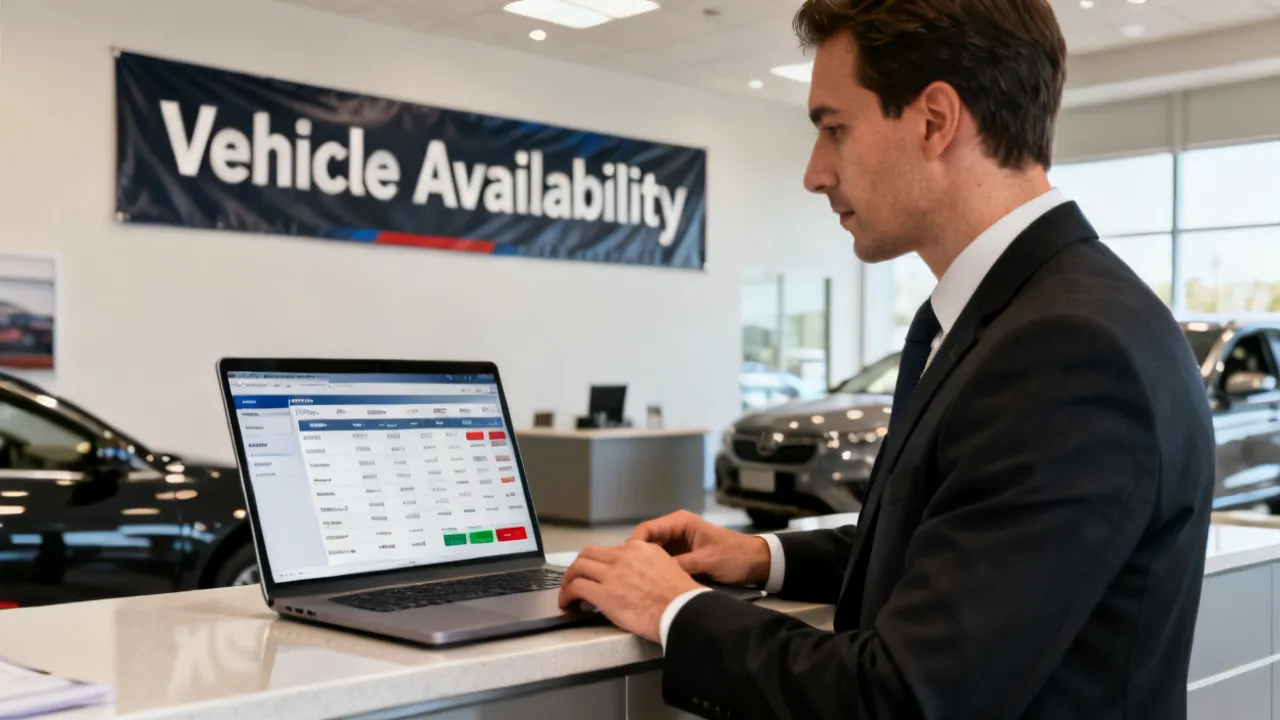
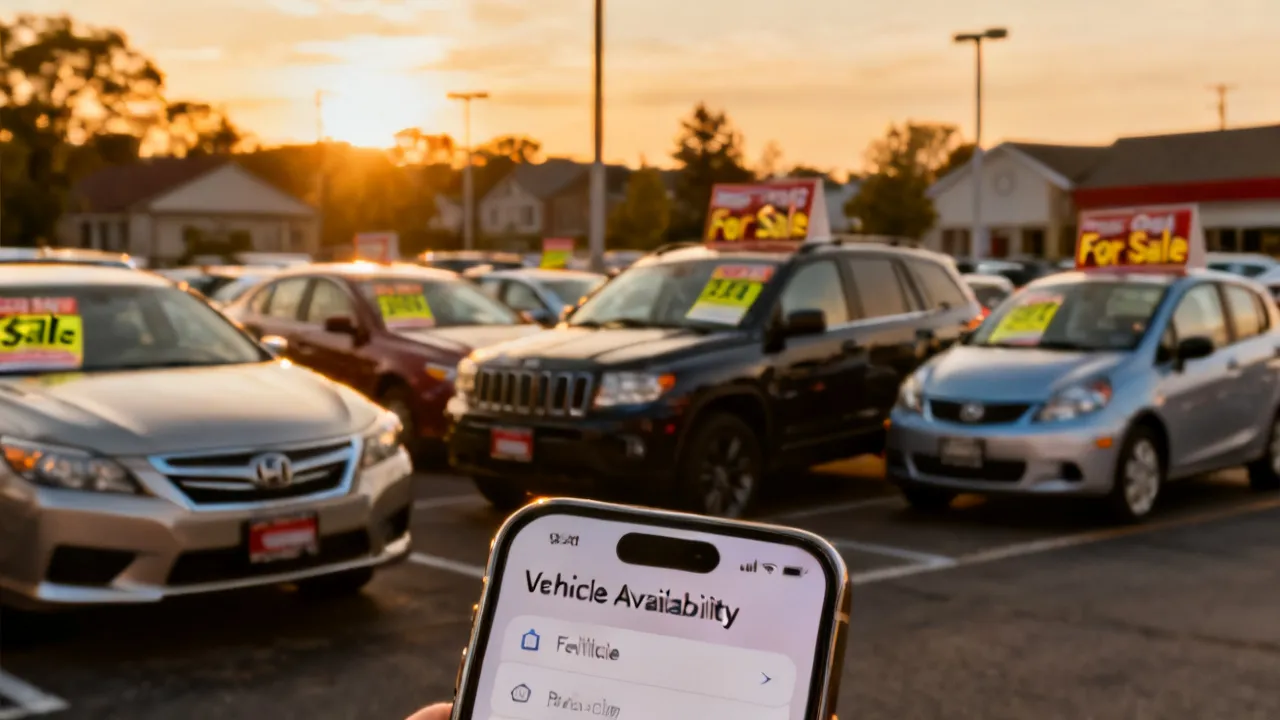
Vehicle Availability can make or break your car-buying plan, especially when you’re searching for a cheap car on sale. This guide explains what “vehicle availability” really means in the used-car market, how online inventory tools work, and how to compare listings efficiently. It then provides a practical, step-by-step approach to locate deals, verify listings, and avoid common pitfalls—objectively and without hype.
Vehicle Availability Guide to Buying a Cheap Car
Vehicle Availability is the practical starting point for anyone trying to buy a cheap car with confidence. This guide explains how to interpret dealership and marketplace listings, compare inventory turnover, and evaluate pricing signals without relying on hype. It also outlines where to verify stock, how to budget for inspection and fees, and how to use official car trading platforms for smarter decisions.
Vehicle Availability and Smart Buying Guide
Vehicle Availability is the key factor behind whether you can quickly find the right deal, especially when inventory shifts week to week. This guide explains, in an objective way, how official used-car marketplaces work, how “on sale” listings are structured, and how buyers can compare listings to secure a better match. You’ll also learn practical steps to buy a low-cost car while managing risks and verifying condition details.
How to Use Vehicle Availability to Find Deals
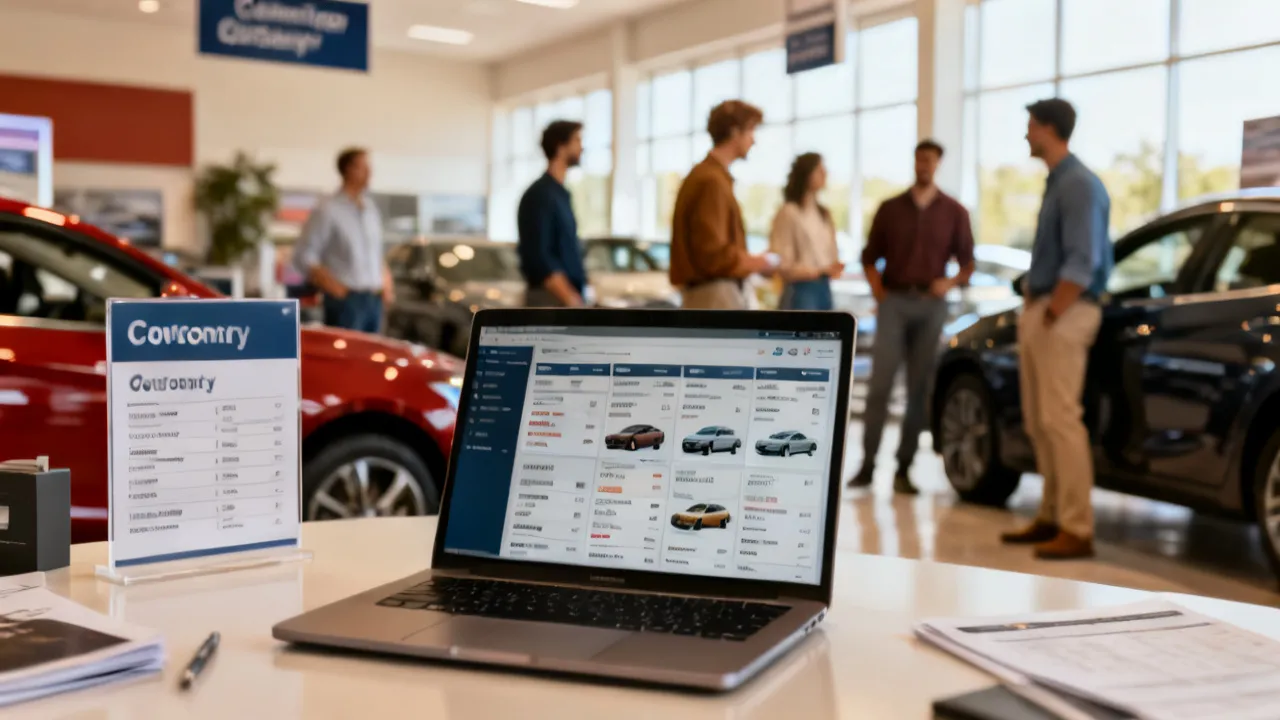
Vehicle Availability tools can help shoppers narrow choices and act quickly when cars are listed for sale. This guide explains what “Vehicle Availability” typically means in online listings, how to cross-check inventory accuracy, and how to buy a cheap car responsibly. It also summarizes major official car trading sites and provides an expert step-by-step checklist, including requirements to verify condition, history, and pricing.

How to Secure Vehicle Availability for a Deal
Vehicle Availability is the practical reality behind car shopping: inventory changes, listings move, and availability can differ by trim and location. This guide explains, in an objective way, how to use official trading platforms to monitor Vehicle Availability and find a reasonably priced car quickly. It also covers how to evaluate listings, verify condition, and complete a purchase with appropriate checks.

Vehicle Availability and How to Buy a Cheap Car
This guide explains how to evaluate Vehicle Availability and locate on-sale vehicles efficiently, from official inventory pages to final purchase steps. It provides objective background on how inventory turnover, pricing transparency, and vehicle history influence what’s available. You’ll also find a practical checklist to compare listings, confirm eligibility, and buy with confidence—without relying on guesswork.