Foundations U is a pivotal educational initiative designed to enhance foundational skills among learners. By equipping individuals with essential skills and knowledge, it plays a crucial role in their personal and professional development. This article delves into its structure, objectives, and the transformative effects it has on education.

Foundations U represents an innovative approach in education focused on nurturing core competencies and foundational skills among learners. This program aims to bridge the gap between theoretical education and practical application, ensuring that students are well-equipped to face real-world challenges. In an era where the knowledge landscape is continuously shifting, it becomes imperative to prepare students not just to retain information but to utilize it effectively in diverse contexts. Foundations U strives to cultivate lifelong learners who can navigate the complexities of modern life.
The primary objective of Foundations U is to solidify the foundational skills necessary for academic and professional success. Unlike traditional education models that often prioritize rote learning, Foundations U emphasizes critical thinking, communication, and problem-solving abilities. These skills are pivotal in adapting to the ever-evolving demands of the workforce and society. By offering a comprehensive framework for skill acquisition, Foundations U prepares students to tackle complex challenges and make informed decisions in their personal and professional lives.
In addition, the curriculum is designed to cater to the unique strengths and learning styles of individual students. This personalization enables each learner to engage with the material in a way that resonates with them, fostering a deeper understanding and retention of knowledge. The focus on individualized learning paths also encourages students to take ownership of their education, which can significantly enhance their motivation and investment in the learning process.
The structure of Foundations U is uniquely designed to cater to diverse learning needs. It incorporates a blend of classroom instruction, experiential learning, and digital platforms to deliver content effectively. The curriculum supports a holistic education model, integrating subjects such as mathematics, sciences, humanities, and arts with practical, real-world applications. This interdisciplinary approach helps students see the connections between various fields of study, enhancing their overall educational experience.
Moreover, Foundations U promotes a collaborative environment, encouraging students to engage in group projects and discussions. This cooperative learning strategy not only enhances interpersonal skills but also fosters a sense of community among learners. Students are exposed to different perspectives and ideas, leading to richer discussions and a more inclusive classroom culture. Furthermore, through collaborative efforts, students develop essential teamwork skills that are critical for success in today’s interconnected world.
The integration of technology in Foundations U also plays a pivotal role in the learning process. Digital platforms enable students to access a wealth of resources, engage with interactive content, and collaborate with peers from diverse backgrounds. This access to technology empowers students to take charge of their learning and encourages independent inquiry, enabling them to explore subjects in depth and at their own pace. As digital literacy becomes increasingly important in the 21st century, Foundations U's focus on technology prepares students for the realities of the modern workforce.
Participation in Foundations U goes beyond academic achievement; it significantly influences personal development. Students learn self-discipline, initiative, and resilience through the challenges posed by the program. These qualities are vital for personal growth and success in any field. By navigating complex problems and collaborating with peers, students develop a strong sense of self-efficacy, which is essential for overcoming obstacles and pursuing their goals with confidence.
The emphasis on critical thinking encourages students to analyze situations from multiple angles, fostering an open-minded approach to problem-solving. This adaptability is especially crucial in a world characterized by rapid change and uncertainty. Students are taught to embrace challenges as opportunities for growth, which cultivates a mindset that values resilience and persistence.
Moreover, Foundations U places a significant emphasis on emotional intelligence and social awareness, equipping students with the tools to navigate relationships and understand diverse perspectives. Whether in personal interactions or professional environments, these skills foster empathy and effective communication, enabling students to build strong networks that support their endeavors. Through activities that promote self-reflection and peer feedback, students gain valuable insights into their strengths and areas for improvement, further enhancing their personal development journey.
Foundations U challenges the traditional educational paradigm by promoting a more interactive and student-centered approach. It enables educators to move away from conventional lecturing methods, instead encouraging them to act as facilitators of learning. By creating a dynamic learning environment, instructors can tailor their teaching strategies to meet the needs of their students and foster a more engaging educational experience.
This transformation not only benefits students but revitalizes the teaching profession, fostering innovation and creativity. Educators are empowered to experiment with new teaching methods, incorporate feedback, and collaborate with colleagues to enhance the learning experience. This professional growth not only enhances job satisfaction for teachers but also contributes to a culture of continuous improvement within educational settings.
Furthermore, the ripple effects of Foundations U extend to the broader educational landscape. As more institutions adopt similar programs, we may witness a shift in societal attitudes towards education, valuing skills and competencies over mere academic credentials. This shift could lead to a more equitable and inclusive education system, where diverse learning pathways are recognized and celebrated. Ultimately, Foundations U helps pave the way for a more innovative, adaptable, and resilient educational ecosystem.
The influence of Foundations U extends beyond educational institutions. By producing adept, well-rounded individuals, it contributes to societal progress. Graduates of this program are typically more adaptable and ready to contribute positively to the community and the economy. as they enter the workforce, they bring with them not just academic knowledge but also the practical skills and competencies that are increasingly sought after by employers.
This readiness translates to a stronger workforce where individuals are equipped to meet the challenges of their respective fields. The focus on real-world applications ensures that students grasp the significance of their learning, allowing them to approach their careers with a sense of purpose and responsibility. This sense of connection between education and its applicability in the workforce fosters a culture of lifelong learning and professional growth.
Moreover, the principles of Foundations U encourage students to engage with their communities actively. Graduates often become advocates for social change, using their skills to address pressing societal issues and contribute to their local environments. This civic engagement creates a ripple effect, inspiring others to become involved and strengthening the fabric of communities.
Research into programs similar to Foundations U indicates that graduates possess a higher employability rate and job satisfaction levels. Reports show that these individuals tend to excel in organizational and leadership roles, contributing to dynamic and successful teams. For instance, studies suggest that students who engage in experiential learning opportunities are more likely to secure job offers soon after graduation, as they possess practical experience that sets them apart from their peers.
Further analysis reveals that the emphasis on soft skills—such as communication, teamwork, and adaptability—correlates with increased job performance and satisfaction. Employers consistently report valuing these attributes, underscoring the importance of integrating such competencies into educational curricula. The findings suggest that organizations with employees who have a strong foundation in essential skills experience higher levels of productivity and innovation, ultimately contributing to their long-term success.
Additionally, longitudinal studies tracking the careers of Foundations U graduates show that individuals who engage with the program experience more rapid career advancement. Many report taking on leadership positions earlier in their careers, indicating that the foundational skills developed through Foundations U provide a competitive advantage in the job market. As a result, not only do these graduates excel professionally, but they also contribute to leadership practices that prioritize collaboration and ethical decision-making—an increasingly desirable trait in modern workplaces.
| Model | Approach |
|---|---|
| Traditional Education | Focused on theoretical knowledge and examinations. Emphasis on standardized testing and memorization over critical thinking or real-world applications. |
| Foundations U | Integrates practical skills with academic learning, emphasizing real-world applications. Encourages collaboration, critical thinking, and personal growth. |
| Montessori Education | Student-led approach allowing learners to make choices in their education, focusing on hands-on, experiential learning. |
| Project-Based Learning | Students engage in complex projects that require critical thinking, collaboration, and problem-solving. |
| Competency-Based Education | Focuses on learners demonstrating mastery of skills and knowledge at their own pace, allowing for individualized learning paths. |
In conclusion, Foundations U stands as a transformative force in modern education. By merging foundational skill-building with traditional academics, it prepares students for both current and future challenges. As education continues to evolve, programs like Foundations U are crucial in adapting to and leading these changes, thus contributing significantly to personal, professional, and societal development.
As we look ahead, the lessons learned from the Foundations U model may serve as a blueprint for educational reform worldwide. Educators, policymakers, and communities must collaborate to ensure that this innovative approach gains traction and becomes more widely adopted. With a collective commitment to fostering essential skills and real-world applications within our educational frameworks, we can empower future generations to thrive in an unpredictable world.
Ultimately, the future of education lies in our ability to provide learners with the tools they need to become adaptable, responsible, and capable individuals who can contribute meaningfully to society. By championing initiatives like Foundations U, we take a significant step toward realizing this vision and creating a brighter future for all.
Chevy Silverado Manteca Edition: What to Know Before Buying

Chevy Silverado Manteca Edition Buying Guide and Analysis

Chevy Silverado Manteca Edition: Buy Smart Guide

Chevy Silverado Manteca Edition: Buying Guide & Options

Chevy Silverado Manteca Edition: Buying Guide and Analysis

Chevy Silverado Manteca Edition Buying Guide

Chevy Silverado Manteca Edition Buying Guide

Chevy Silverado Manteca Edition: Buying Guide & Dealers

Chevy Silverado Manteca Edition Buying Guide

Exploring the Impact of Foundations U
Foundations U is a pivotal educational initiative designed to enhance foundational skills among learners. By equipping individuals with essential skills and knowledge, it plays a crucial role in their personal and professional development. This article delves into its structure, objectives, and the transformative effects it has on education.
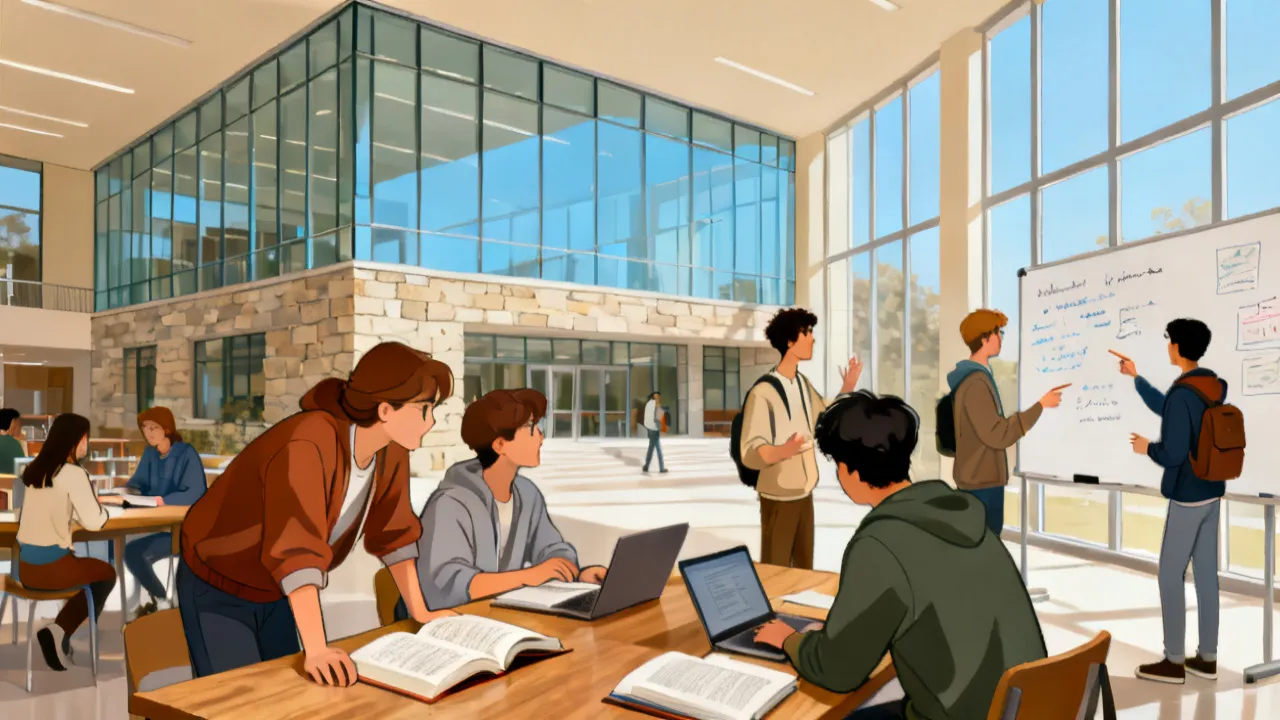
Understanding Foundations U Essentials
Foundations U serves as a groundbreaking initiative designed to transform educational experiences. By focusing on comprehensive student development programs, it aims to bridge the gap between secondary education and tertiary experiences. This article delves deep into the structure and objectives of Foundations U, providing insights into its innovative approach towards cultivating academic excellence.
Understanding Foundations U
Foundations U is an emerging paradigm within the educational landscape, emphasizing core academic principles while adapting to contemporary challenges. This guide will delve into the significance of Foundations U, exploring its role and impact within modern education. Structured educational practices have continually evolved, driving institutions to adapt and shape students into critical thinkers and informed citizens.
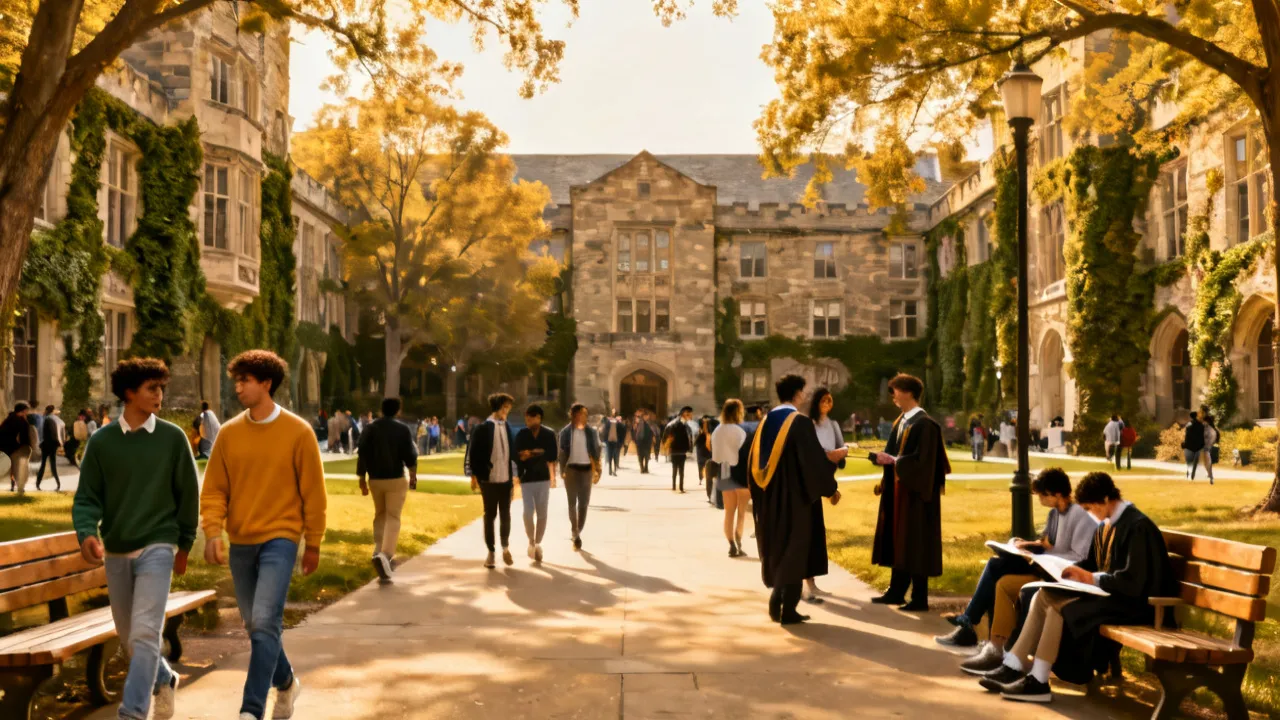
Foundations U: Building Academic Excellence
Foundations U represents a pioneering concept in higher education, focusing on a holistic approach to learning. By integrating comprehensive academic programs, this institution, located in the dynamic setting nearby, aims to foster intellectual growth, practical skills, and global citizenship. It stands as a beacon for students seeking an immersive and transformative educational experience.

Unveiling the Potential of Foundations U
Foundations U is a leading educational institution renowned for its innovative teaching methodologies and world-class facilities. Positioned among the top universities, it offers a comprehensive curriculum designed to prepare students for global challenges. This guide elaborates on the unique offerings of Foundations U, analyzing its impact on higher education and exploring its various programs and initiatives.

Understanding the Impact of Foundations U
Foundations U serves as a cornerstone in educational advancement, playing a crucial role in shaping academic and personal development. With its emphasis on a holistic approach, the institution offers a diverse range of programs that cater to different learning needs and career goals, making it a pivotal player in the field of education. This article delves into the multifaceted impact of Foundations U through an expert analysis of its methodologies and offerings.